GAC Energy, Zeekr Power achieve mutual charging network integration

Published: May 9, 2025 17:57
Source: gasgoo
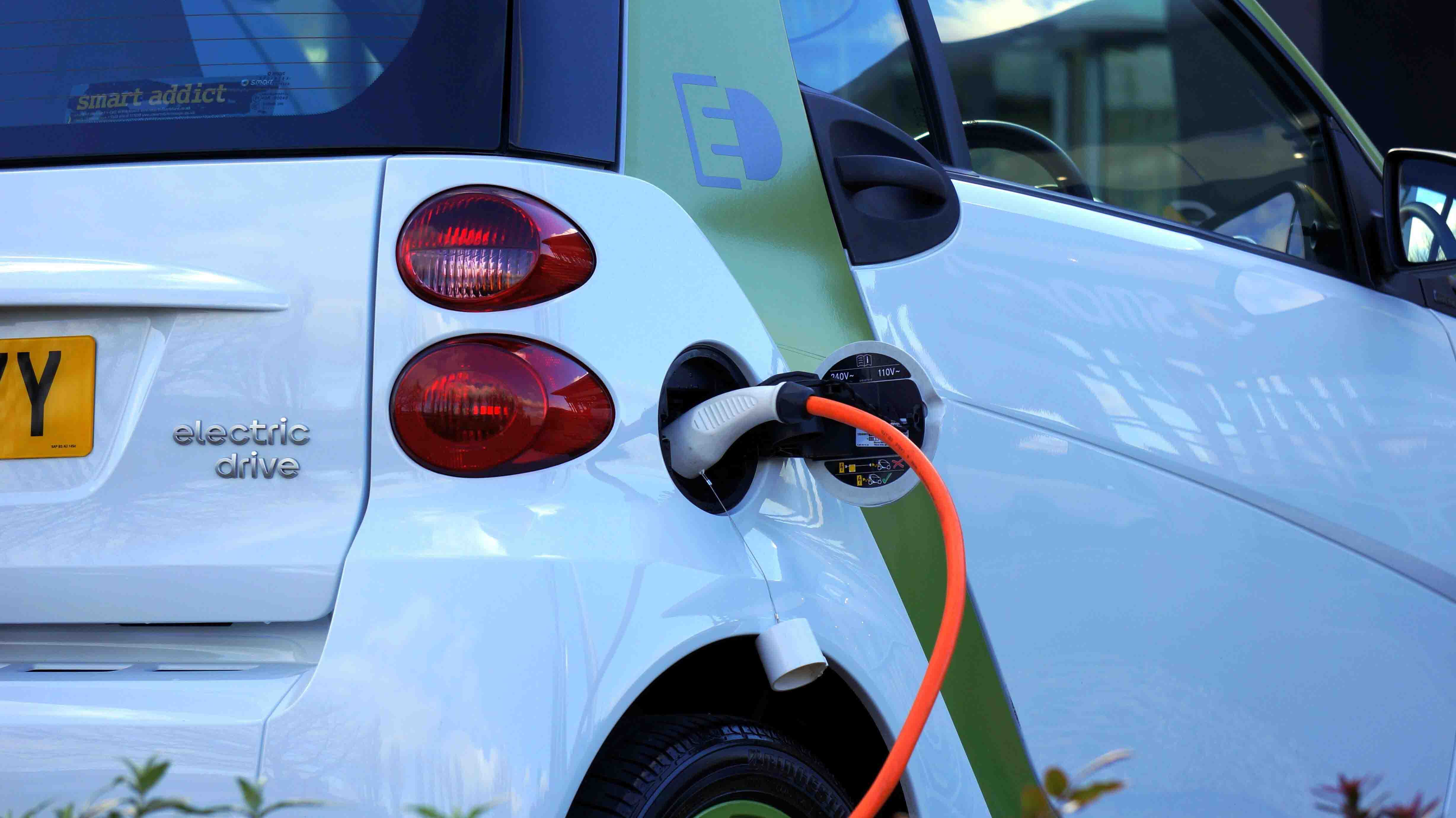
GAC Energy and Zeekr Power recently established a new partnership on charging network integration.

Shanghai (Gasgoo)- GAC Energy and Zeekr Power recently established a new partnership on charging network integration, enabling users of both platforms to access charging station information via their respective apps or mini programs, according to a post on GAC Energy issued on its WeChat account on May 8.

As part of the collaboration, Zeekr Power's charging network has been integrated into GAC's infotainment systems. Users can now search for Zeekr charging station information through the apps and mini programs of GAC AION, HYPTEC, GAC Trumpchi, GAC Toyota, and GAC Energy. Additionally, GAC Energy membership benefits will be extended to Zeekr Power charging stations.

Conversely, Zeekr Power's users can access real-time information on GAC Energy charging stations—including location, pricing, and operational status—via the Zeekr app's in-car charging map or Zeekr Power's mini program.

GAC Energy's charging network has currently connected with 20 leading industry charging service operators, covering approximately 1 million terminals across 346 cities, including around 5,000 highway charging stations. As of April 30, 2025, the number of GAC Energy's self-operated terminals has surpassed 15,000.

In addition to the partnership with GAC Energy, Zeekr has also pursued broader network collaborations. In February 2025, Zeekr announced a partnership with CAMS, achieving bilateral charging network integration.
Data Source Statement: Except for publicly available information, all other data are processed by SMM based on publicly available information, market communication, and relying on SMM‘s internal database model. They are for reference only and do not constitute decision-making recommendations.

For any inquiries or to learn more information, please contact: lemonzhao@smm.cn
For more information on how to access our research reports, please contact:service.en@smm.cn
Related News
Waymo and Uber to Deploy 1,200 Robotaxis in Middle East by 2027
Feb 6, 2026 15:29
Waymo and Uber to Deploy 1,200 Robotaxis in Middle East by 2027
Read More
Waymo and Uber to Deploy 1,200 Robotaxis in Middle East by 2027
Waymo and Uber (NYSE: UBER) announced an upgraded strategic partnership: The two parties plan to deploy at least 1,200 Robotaxi units in the Middle East by 2027, covering three major markets—Abu Dhabi, Dubai, and Riyadh. According to the plan, all 1,200 Robotaxi units will be integrated into the Uber App to provide public transportation services.
Feb 6, 2026 15:29
Tesla VP Says Company Will Engage in Assisted Autonomous Driving in China, Timeline Unclear
Feb 6, 2026 15:28
Tesla VP Says Company Will Engage in Assisted Autonomous Driving in China, Timeline Unclear
Read More
Tesla VP Says Company Will Engage in Assisted Autonomous Driving in China, Timeline Unclear
Tesla Vice President Tao Lin stated today that Tesla would actively participate in related work on assisted autonomous driving in the Chinese market, but could not yet provide a clear timeline for implementation. Elon Musk previously indicated that Tesla's Full Self-Driving (FSD) would be deployed in Europe this February, with the Chinese market to follow.
Feb 6, 2026 15:28
World's First Mass-Produced Sodium-Ion Battery Passenger Vehicle Officially Unveiled
Feb 5, 2026 17:52
World's First Mass-Produced Sodium-Ion Battery Passenger Vehicle Officially Unveiled
Read More
World's First Mass-Produced Sodium-Ion Battery Passenger Vehicle Officially Unveiled
On February 5, Changan Automobile unveiled its global sodium-ion battery strategy, and the world's first mass-produced sodium-ion battery passenger vehicle was officially introduced. Test data shows that the vehicle equipped with CATL's sodium-ion battery delivers nearly three times the discharge power compared to conventional lithium iron phosphate vehicles with the same battery capacity under -30°C conditions. In extreme cold environments of -40°C, it maintains over 90% capacity retention, and it can still discharge stably even at the extreme low temperature of -50°C.
Feb 5, 2026 17:52