Here’s why China’s aluminium trade confidence, despite repeated tariff lashes and export dip, is what it is…

Published: Apr 21, 2025 10:07
In a recent comment, He Zhigang, Deputy General Manager of Henan Mingtai Al. Industrial Co. said that China’s producers are “numb to tariffs,” citing years of trade restrictions imposed by Western countries.

In a recent comment, He Zhigang, Deputy General Manager of Henan Mingtai Al. Industrial Co. said that China’s producers are “numb to tariffs,” citing years of trade restrictions imposed by Western countries. He added that demand for the metal produced in China remains strong due to its competitiveness. “It just needs a bit of time to overcome this round of anti-dumping from the US,” Mr Zhigang said at the industry conference. But, where does such an upper-hand statement stem from? As a matter of fact, the numbers are volatile when it comes to trade (especially exports) for the Asian country.
Here’s why China’s aluminium trade confidence, despite repeated tariff lashes and export dip, is what it is…
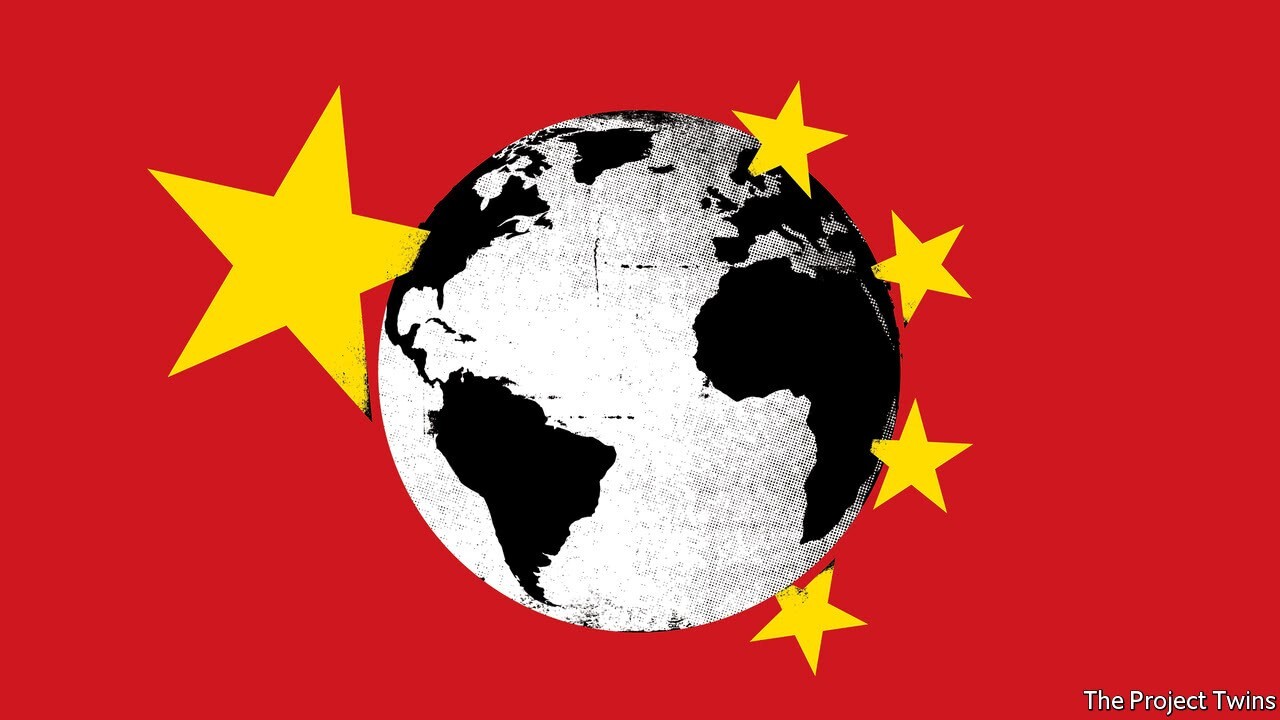
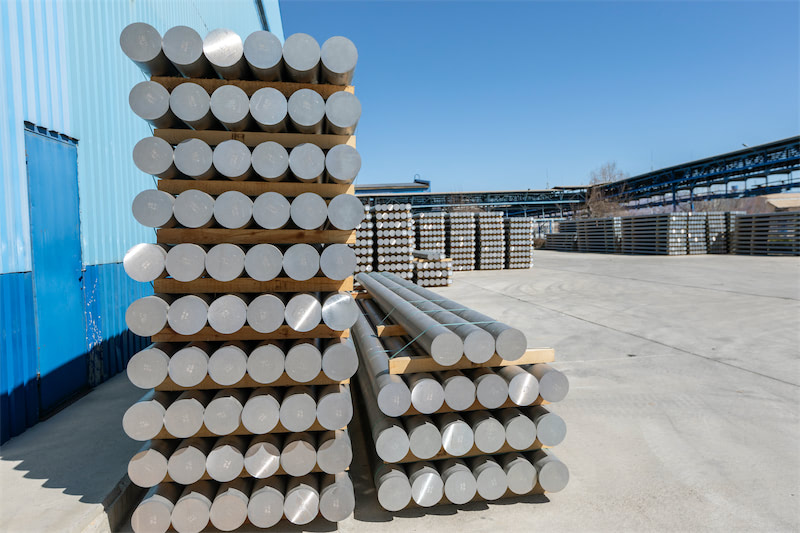
Image courtesy: The Project Twins (Image for representational purposes only)

According to the data provided by the International Aluminium Institute, the estimated total primary aluminium production for the first two months of 2025 was 7,123 thousand tonnes in China. Whereas, the estimated total for CY 2024 stood at 43,396 thousand tonnes of aluminium.

When compared with the world total output of 11881 thousand tonnes in the first two months of 2025, China occupied close to 60 per cent of the cumulative manufacturing market. Similarly, world production for CY 2024 stood at 72,863 thousand. Here, China grabbed 59.55 per cent market share in year-long primary aluminium output.

On the trade front, China has seen many ups and downs in the past 10 years. Yet, the US tariff was not a dominant factor in all of this. Despite hitting some damaging speed-breakers, China has sustained production. As for trade, the country fights hard to boost its economy.

International Trader Administration states that, from 2015 to 2016, China’s unwrought aluminium exports fell from 565,639 tonnes to 511,719 tonnes (-9.5 per cent). This decline was induced by the start of Beijing’s aggressive ‘supply‑side reforms’, under which numerous small, highly polluting smelters were shuttered as part of its winter-time closures and the broader push to reduce industrial overcapacity and curb emissions. Even though fresh capacity came online elsewhere, these environmental clampdowns outweighed output gains and led to that first big drop in exports.

In 2017 and 2018, exports recovered back to 551,195 tonnes (+7.7 per cent) and then 562,696 tonnes (+2.1 per cent), respectively. Winter‑time production curbs were relaxed, and global demand, particularly from infrastructure projects, picked up, offsetting the early impacts of the US‑China trade war. Section 232 tariffs imposed by the United States in mid‑2018 did raise costs for Chinese aluminium entering the US market. Still, the buoyant orders from emerging markets and restarts in cleaner, larger smelters helped China sustain modest growth through 2019 as well, when exports crept up another 2.6 per cent to 577,708 tonnes.

The onset of the COVID‑19 pandemic in 2020 caused exports to collapse by 61.3 per cent, down to just 223,920 tonnes. Nationwide lockdowns disrupted port operations, logistics chains and labour supplies, while Beijing’s domestic stimulus measures prioritised local infrastructure and downstream processing over raw-material exports. In 2021, these effects were compounded by renewed carbon‑emissions targets under China’s “dual‑carbon” (peak‑CO₂ & carbon‑neutrality) roadmap, which led to further smelter curtailments and sent exports down another 29.5 per cent to 157,764 tonnes.

Log in alcircle to read the full story for FREE
Credit: https://www.alcircle.com/news/heres-why-chinas-aluminium-trade-confidence-despite-repeated-tariff-lashes-and-export-dip-is-what-it-is-113844


Data Source Statement: Except for publicly available information, all other data are processed by SMM based on publicly available information, market communication, and relying on SMM‘s internal database model. They are for reference only and do not constitute decision-making recommendations.

For any inquiries or to learn more information, please contact: lemonzhao@smm.cn
For more information on how to access our research reports, please contact:service.en@smm.cn
Related News
Fed Governor Milan Pushes for Over 100 Basis Points Cut, Contradicts Barkin on Caution
13 mins ago
Fed Governor Milan Pushes for Over 100 Basis Points Cut, Contradicts Barkin on Caution
Read More
Fed Governor Milan Pushes for Over 100 Basis Points Cut, Contradicts Barkin on Caution
Federal Reserve Governor Milan pointed out that it is necessary for the US Fed to cut interest rates by more than 100 basis points this year. At the same time, he is very much looking forward to the performance of Kevin Warsh as Fed Chairman. However, Richmond Fed President Barkin emphasized that monetary policy must remain cautious until inflation fully pulls back to the target level, thereby ensuring the stability of the labour market.
13 mins ago
Democratic Senators Demand Delay in Fed Nomination Amid Criminal Investigation
14 mins ago
Democratic Senators Demand Delay in Fed Nomination Amid Criminal Investigation
Read More
Democratic Senators Demand Delay in Fed Nomination Amid Criminal Investigation
All 11 Democratic members of the US Senate Banking Committee jointly sent a letter to the committee's chairman, Tim Scott, requesting that all nomination processes for the prospective Fed Chairman, Kevin Warsh, be postponed until the criminal investigation into current Fed Chairman Powell and other board members is concluded. However, Scott stated that Warsh's confirmation was a done deal.
14 mins ago
Fed to Keep Large Banks' Capital Levels Unchanged, Postpones Stress Test Reforms Until 2027
14 mins ago
Fed to Keep Large Banks' Capital Levels Unchanged, Postpones Stress Test Reforms Until 2027
Read More
Fed to Keep Large Banks' Capital Levels Unchanged, Postpones Stress Test Reforms Until 2027
The US Fed has announced that it will maintain the capital levels of large banks unchanged during the upcoming stress test cycle (corresponding to the 2026 cycle). At the same time, the US Fed is planning multidimensional reforms to this annual test, aiming to enhance its transparency. The US Fed's Vice Chair for Supervision, Bowman, revealed that adjustments to the stress capital buffer requirements for large banks will be postponed until 2027. This move is intended to provide the US Fed with sufficient time to evaluate potential flaws that may be exposed in its testing models when assessing banks' financial conditions under simulated economic downturn scenarios.
14 mins ago