The Role of Silver in Solar Panel Production
Importance of Silver in Photovoltaic Cells
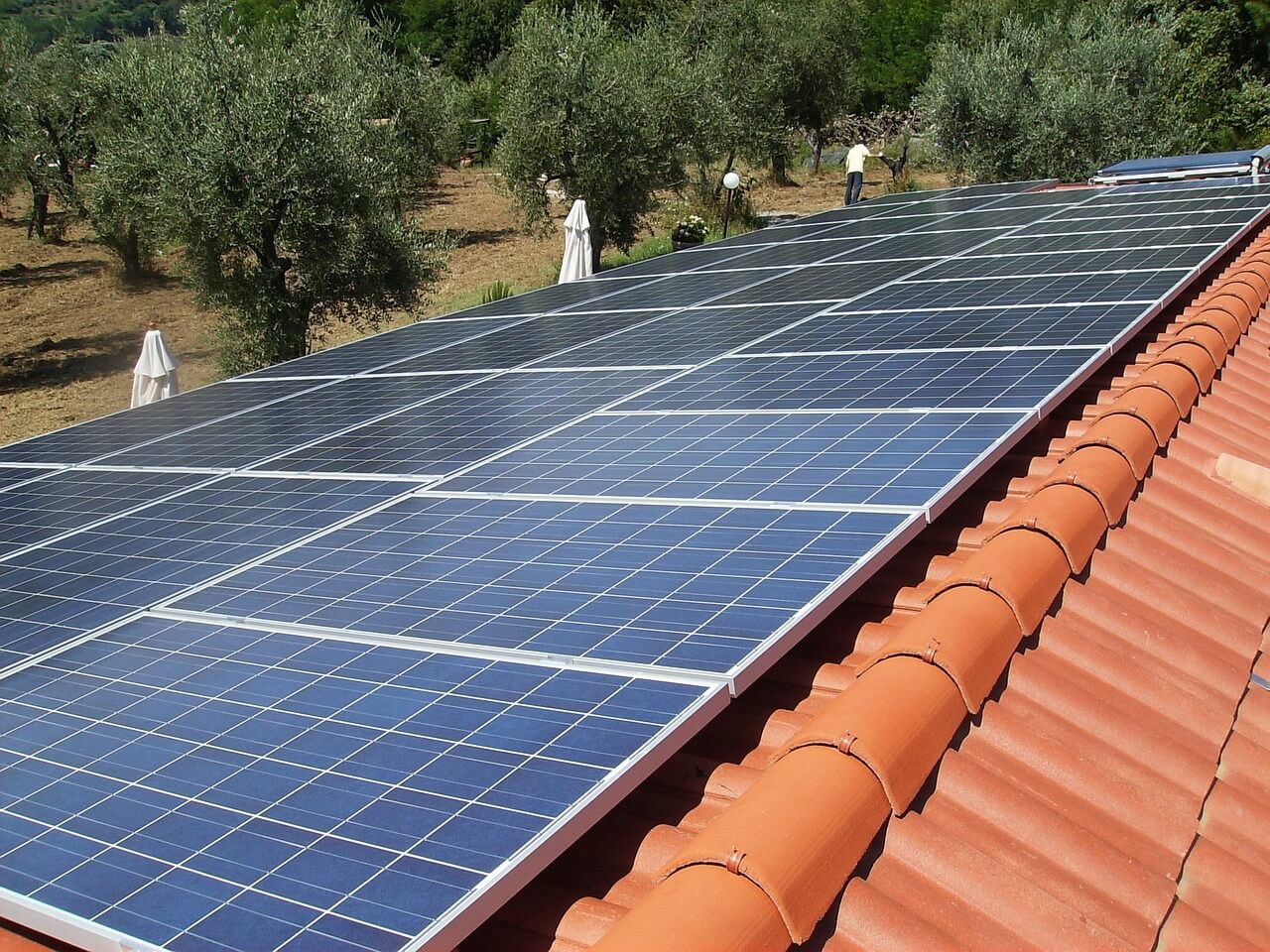
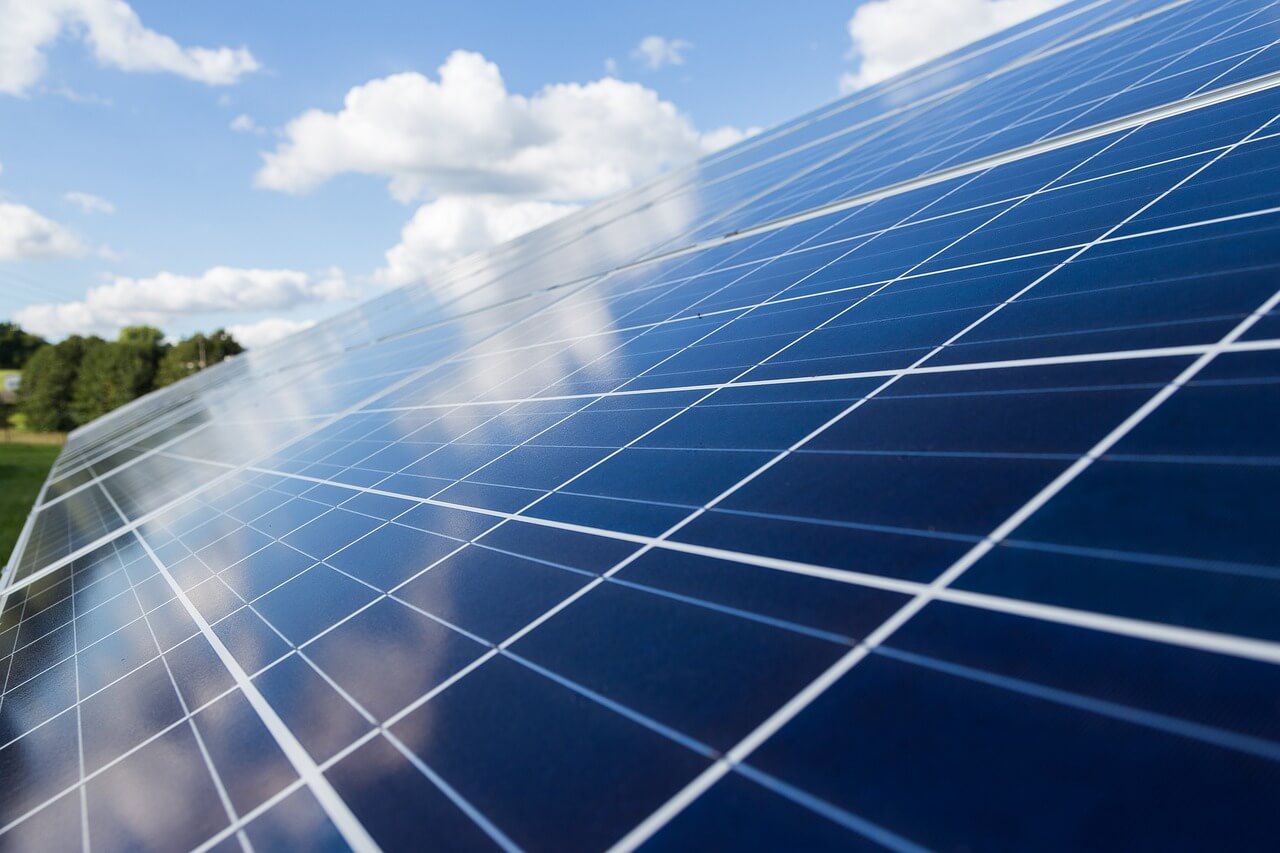
Silver's a big player in whipping up solar panels—especially in photovoltaic (PV) cells. These cells are the guts that flip sunlight into juice—and silver's ace thanks to its top-notch electric flow. That trait keeps electrons zipping smooth—key for sparking power in the cell. As solar juice grows big as a green swap for coal and oil, silver’s need sticks tight to solar tech leaps.
Silver's gig in PV cells is mostly as a juice-carrying champ. Thin silver paste layers get slapped on the silicon wafer—makes electrodes that grab and haul the power sunlight kicks out. This trick keeps energy dips low—cranks up how well the solar panel works.
How Silver Contributes to Solar Panel Efficiency
A solar panel's oomph hinges on how slick it turns sun rays into usable power. Silver's unmatched flow chops make electrons glide easy through the PV cell—cuts drag and waste. That makes silver a must for jacking up efficiency scores in solar setups.
Plus, silver's shiny side boosts its job—bounces unused light back into the silicon slab. That grabs more light bits—pumps up power-making rates. These perks show why silver stays the go-to—even with folks poking at other flow-ready stuff.
The Process of Applying Silver Paste in Manufacturing
In solar panel making, silver paste gets laid down careful-like. It's screen-printed onto the silicon wafer—shapes tiny grid lines that act as juice contacts. After that, the wafer hits a hot firing step—high heat locks the paste into tough, zippy paths.
This pinpoint process matters heaps—keeps all PV cells in a panel steady and trusty. Makers keep tweaking it—aim to use less stuff but hold the bar high. Still, silver's price and need keep it a chunky cost chunk in solar panel crafting.
Trends in Solar Panel Technology and Silver Usage
Evolution from PERC to TOPCon and HJT Technologies
Solar panel tech's morphed big lately—shifting from Passivated Emitter Rear Cell (PERC) setups to sharper stuff like Tunnel Oxide Passivated Contact (TOPCon) and Heterojunction Technology (HJT). These jumps chase better efficiency—trim making tabs too.
TOPCon and HJT bring slicker builds—use top-notch passivation tricks and fancy materials. They beat PERC cells on efficiency—but guzzle more silver per watt thanks to their twisty designs. This flip shows a weird snag—tech steps up power but leans harder on silver.
Increasing Silver Consumption per Watt in Advanced Panels
As TOPCon and HJT catch on, silver use per watt of juice from these slick panels climbs. Old-school PERC cells already lean on hefty silver doses for their flow grids. Next-gen tech calls for finer lines and tighter aim—means more silver gets tossed in.
This uptick throws a curveball at makers—balancing cheap runs with top performance ain't easy. Silver prices bounce with world market swings—handling this lean-on is key for steady green energy growth.
Challenges of Replacing Silver with Alternative Materials
Silver's got perks—but its price wiggles and short stock nag too. Folks try swapping in stuff like copper or aluminum to pinch-hit in PV cells. Trouble is—these stand-ins lag in flow power or toughness under the heat of making.
Switching off silver’d need a big redo of how panels get built—pricey for outfits scraping by on slim cash. Till other options hit silver's sweet spot on work and wallet—it stays the kingpin in pushing solar tech forward.
The Growing Demand for Solar Panels and Its Impact on Silver Supply
Global Expansion of Solar Energy Installations
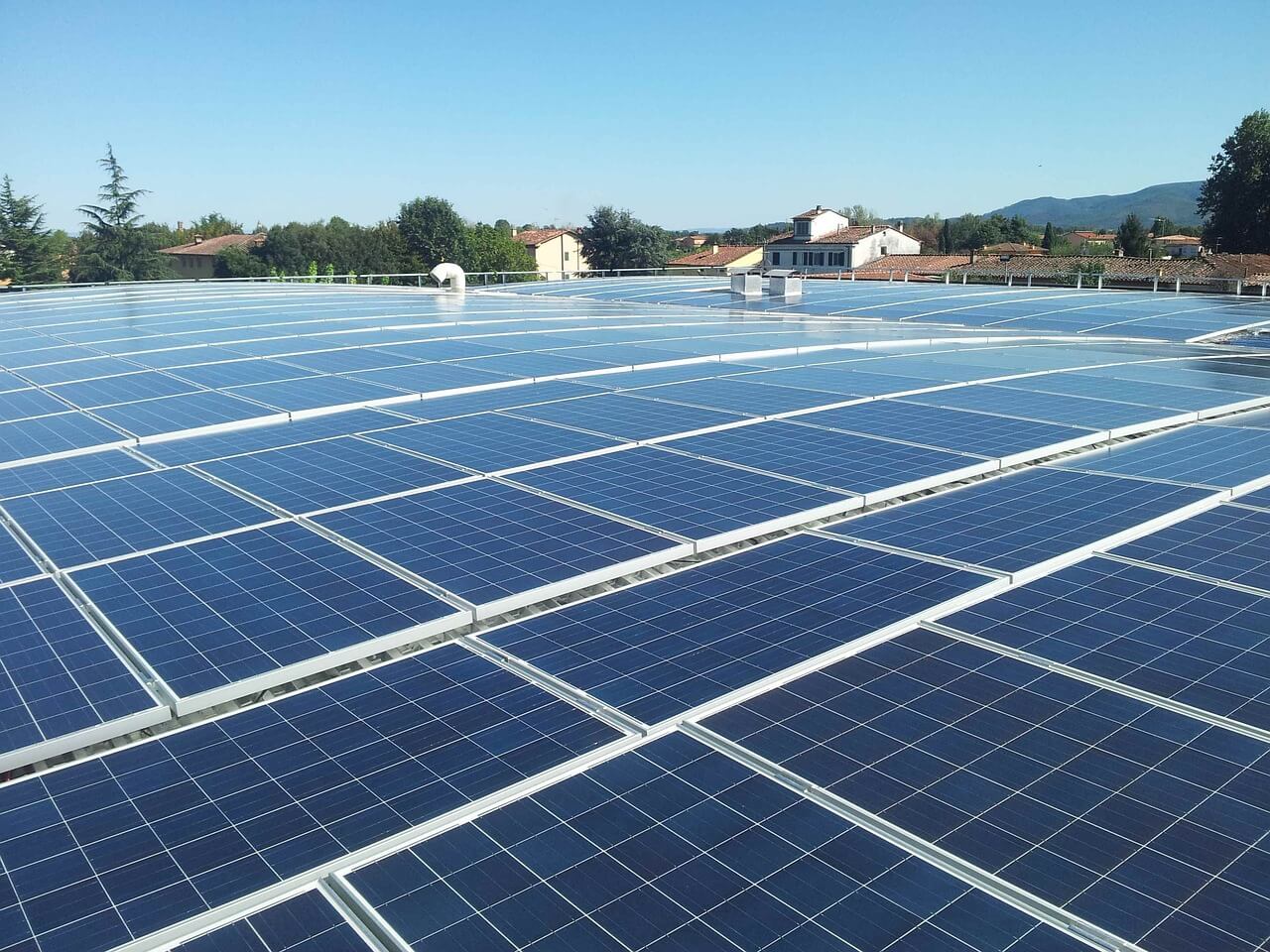
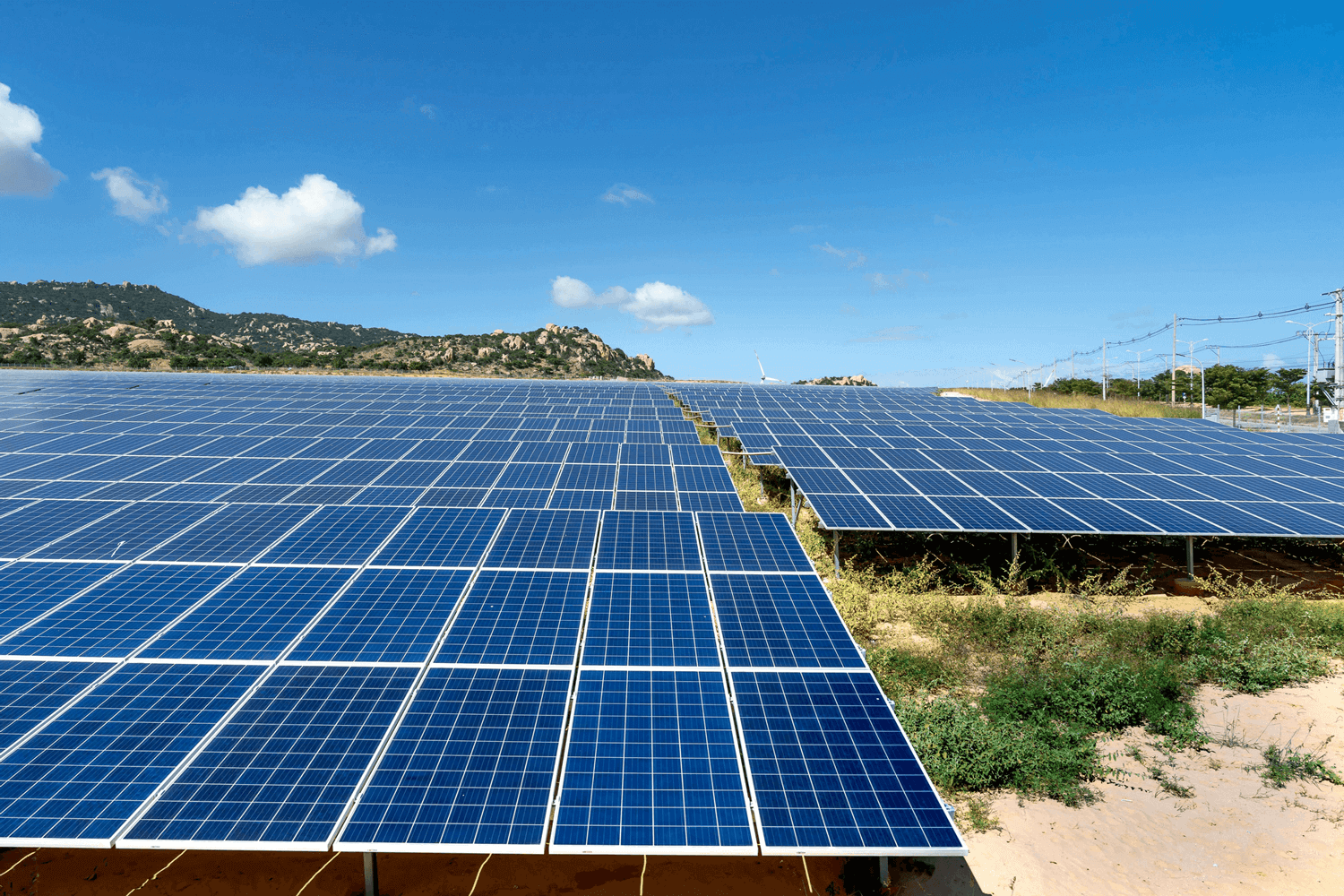
The world's dash for green juice has sparked a wild boom in solar setups. Governments everywhere set bold goals to chop carbon fumes—solar power's a star in those plans. Photovoltaic (PV) systems pop up fast—from home roofs to giant sun farms. Tech jumps, cheaper costs, and green know-how fuel this rush.
Solar panels bank big on silver for its killer electric flow. As solar calls climb—so does silver's pull. The International Energy Agency (IEA) reckons solar juice needs to triple by 2030 to hit climate marks. This fast climb piles heat on silver stocks—a core piece in PV cell crafting.
Projections for Silver Consumption in the Renewable Energy Sector
The green energy game—solar especially—is turning into a silver hog. Each PV cell needs a dab of silver paste for its flow knack—per industry guesses. Scale that to millions of panels worldwide—it’s a fat silver gulp.
With TOPCon and HJT picking up, silver use per watt jumps. These setups need finer grids and sharper paste lays—cranks material needs higher. Analysts figure—if this keeps up—green energy could snag near 15% of world silver calls in ten years. This lean-on stirs worry ‘bout supply staying green and prices holding steady.
Regional Insights: China's Dominance in Solar Panel Production
China rules the solar panel making roost. It's got heaps of top builders—stands as the globe’s biggest PV cell maker and shipper. China’s green energy push vibes with its cash and earth goals.
At SMM, we run a slick web hub—benchmark prices, breakdowns, news, consults, and meets on metals and mining. This wide net dishes scoop on China’s metal scene—including its lean on nonferrous stuff like silver for PV cells.
China’s top spot sways world supply lines—and tweaks raw stuff prices like silver. As their makers grab HJT and TOPCon—their call for pure silver’s set to spike big.
Strategies to Address the Silicon-Silver Paradox
Innovations in Recycling Silver from Solar Panels
Recycling's a solid fix to ease silver strain from solar panel booms. Old PV slabs hold silver you can yank back with sharp tricks. Setting up slick recycle loops cuts need for fresh-mined silver—pushes circle economy vibes too.
Now, recycling splits out goodies like silicon and silver from dead panels. Still—cheap runs and big scales trip it up. Brainiacs dig into fresh ways—aim to hike grab rates and drop process tabs.
Research on Alternative Conductive Materials for Photovoltaics
To crack the silicon-silver puzzle—where efficiency bumps silver use—eggheads hunt other flow stuff for PV cells. Copper's a contender—plenty around and cheaper than silver. But its flow's weaker—needs tweaking to match up.
Other picks—like aluminum pastes or graphene mixes—show promise in lab digs. These aim to juggle work with green staying power—cut lean-on for rare silver.
Balancing Efficiency Gains with Sustainable Resource Use
Landing a mix of efficiency pops and green resource pulls is big for solar tech's long game. Makers poke at designs—use less stuff but keep the juice high. Say—thinning grid lines or mixing materials could trim silver gulps.
Team-ups'cross players—from rule setters to lab coats—matter too. They set trade-wide bars—chase efficiency and earth care hand-in-hand.
Frequently Asked Questions
Why is China significant in solar panel production?
China's got heaps of top makers—stands as the world's biggest PV cell builder and shipper.
How does advancing technology impact silver demand?
Slick tech like TOPCon and HJT needs finer grids with tighter silver paste lays.
Are there efforts to recycle materials from old solar panels?
Yep—recycle moves nab goodies like silicon and silver from dead panels.
What alternatives exist for replacing silver in photovoltaics?
Folks eye copper pastes or graphene fixes as stand-ins for old-school stuff.
For custom scoop on metal use trends—or consults on nonferrous metals like silver—SMM Information & Technology Co., Ltd. dishes full fixes via their web hub—breakdowns, news, and meets known for straight-shooting smarts worldwide.