Shanghai (Gasgoo)- On April 9, GAC Hino Motors Co., Ltd. (“GAC Hino”) and GAC Energy Technology Co., Ltd. (“GAC Energy”) signed a strategic cooperation agreement in Guangzhou and jointly unveiled an energy strategy for GAC's commercial vehicle division, according to a post on GAC Hino's WeChat account.
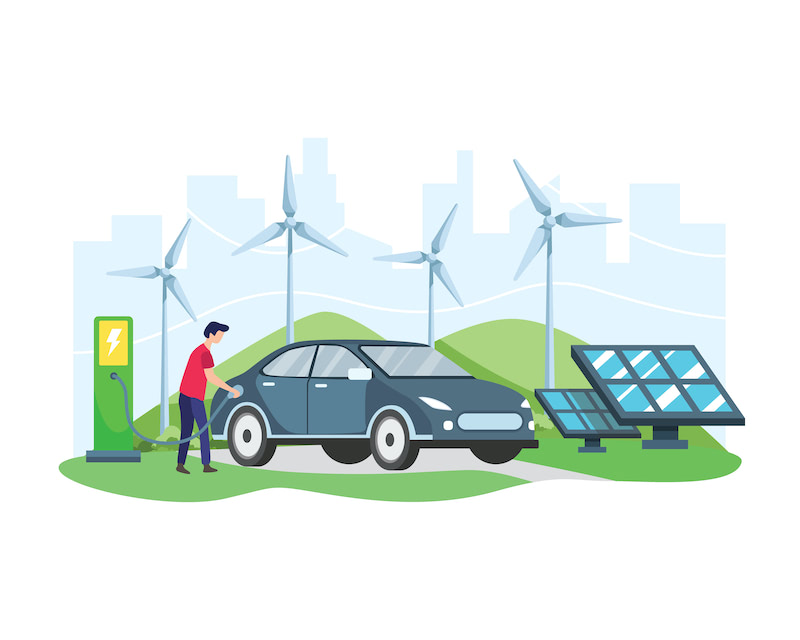
The partnership aims to accelerate the development of a comprehensive energy ecosystem for new energy commercial vehicles (NECVs), focusing on enhancing the charging network and implementing an integrated "vehicle-pile synergy" model to address industry-wide challenges related to insufficient charging infrastructure.
This deepened collaboration between GAC Hino and GAC Energy will leverage their respective strengths on the vehicle and infrastructure ends. Under a new "four-fold synergy" cooperation framework, the companies will offer a full-scope solution that promotes the use of GAC vehicles with GAC-built charging stations.
Ecosystem synergy
The two parties outlined a clear roadmap in their newly announced GAC Commercial Vehicle Energy Strategy, with a target of deploying 10,000 charging piles by 2030. The plan prioritizes key regions such as the Guangdong-Hong Kong-Macao Greater Bay Area, northern mining areas, central logistics corridors, and eastern port zones. The companies aim to align vehicle sales with simultaneous charging network expansion, ensuring that wherever vehicles are sold, charging infrastructure will follow—effectively easing the burden of energy replenishment for NECV customers.
Vehicle-pile integration
Tackling the core challenge of NECV electrification, the partnership will promote end-to-end technological integration between vehicles and chargers. Through coordinated deployment and in-house development of key technologies, the initiative supports a seamless interaction between vehicle systems and charging infrastructure. While NECVs are currently most suited for short-haul routes within 300 kilometers, the ongoing build-out of the charging network will facilitate their expansion into mid- and long-haul applications.
Platform interconnectivity
A joint commercial vehicle energy management platform will be established to unify data systems, enabling full-spectrum sharing of vehicle and charger status, as well as dynamic energy dispatching. This digital integration will shorten charging wait times, optimize charger usage, and enhance overall operational efficiency for NECV fleets. The smart energy platform will connect vehicles, chargers, grids, and users into a cohesive data ecosystem, delivering more time-saving, cost-effective, and safer green mobility solutions.
Resource sharing
GAC Energy currently operates over 11,000 DC charging terminals and has access to a network of more than 800,000 charging piles across China. GAC commercial vehicle users can tap into this extensive network and enjoy the same high-speed, widely available, and conveniently located charging services as passenger car users. The strategic partnership also introduces one-stop service packages covering vehicle purchase, charging access, and financing solutions. Support options include zero-down-payment charging station investments and exclusive discounts on charging service fees. For example, GAC's light-duty truck users will now have full access to GAC Energy charging stations, with charging service fees discounted by 15%.