The Impact of Melting Ice Caps on Global Resources
Climate Change and Its Effect on Arctic Ice Melting
The swift thawing of Arctic ice caps stands out as a clear result of climate change. Higher temperatures worldwide have sped up this process. It affects ecosystems, sea levels, and access to resources in big ways. The Arctic, once seen as a frozen area with little value for business, now shows new possibilities because of these shifts. Yet, this fresh access brings a downside. The delicate Arctic environment faces serious risks from human actions and industry growth.
New Access to Once-Hidden Mineral Deposits
As the ice pulls back, mineral deposits that were out of reach before are now within grasp. These deposits hold precious resources like oil, natural gas, and metals key to today’s industries. The Arctic’s riches have kicked off a rush among countries and companies to claim a share of this resource-heavy zone. This event, often called the "Arctic Gold Rush," highlights the tricky balance between economic gain and caring for nature.
The Arctic Gold Rush: Opening Up Frontier Metal Chances
The Role of Frontier Metals in Today’s Industries
Frontier metals matter a lot for many modern fields, such as tech, clean energy, and transport. Metals like nickel, cobalt, lithium, and rare earth elements are vital for batteries in electric vehicles (EVs), wind turbines, and other eco-friendly tools. The need for these materials has spiked as nations and firms worldwide shift to greener energy and lower carbon outputs.
Key Metals Uncovered in New Arctic Areas
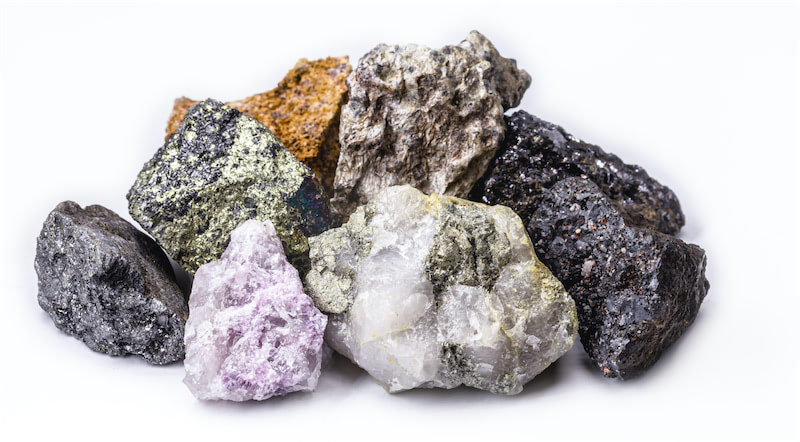
The melting ice caps have revealed rich stores of frontier metals in the Arctic. Nickel and cobalt rank high on the list because they’re used in EV batteries. Plus, rare earth elements in these spots are crucial for making electronics, magnets for wind turbines, and high-tech military gear. Finding these resources offers a chance to shake up global supply chains, which a few nations have long controlled.
How Melting Ice Caps Are Changing the Mining Scene
The mining world is shifting as firms adjust to the Arctic’s new possibilities and hurdles. They’re using cutting-edge tools to pull out resources well while trying to limit harm to nature. Still, the tough task of working in far-off, rough conditions remains a big obstacle. On top of that, disputes over land claims between countries add more layers to mining efforts there.
Challenges and Risks in Arctic Metal Mining
Environmental Worries and Green Issues
Mining in the Arctic puts its fragile ecosystem in danger. The process can wreck habitats, dirty clean waters, and upset local animals. What’s more, more industry work pumps out greenhouse gases, making climate change worse. Tackling these problems calls for tough rules and green habits that put long-term nature health over quick profits.
Working Through Tough Arctic Conditions for Mining
Running operations in the Arctic comes with special challenges due to its harsh weather and distant spots. Mining firms must pour big money into gear and setups that can handle freezing cold and wild weather swings. These needs push costs way up compared to mining in easier-to-reach places.
Rules and Global Tensions
The Arctic falls under a mix of world agreements and country laws, making resource work tricky. Fights over land claims among nations like Russia, Canada, Norway, Denmark (through Greenland), and the United States stir up more trouble. Also, native groups in the Arctic worry about keeping their old ways alive as industry creeps in.
Economic Impacts of Arctic Metal Mining Chances
Worldwide Need for Frontier Metals in New Tech
The global push toward clean energy and high-tech tools has sharply raised the call for frontier metals. These include nickel, cobalt, lithium, and rare earth elements, all key for building EV batteries, wind turbines, and solar panels. As leaders worldwide set rules to hit zero emissions, the hunger for these vital goods keeps climbing. This boom has sparked a hunt for new supply spots, with the Arctic looking like a bright option.
The Arctic’s mineral-packed zones could shake up global supply lines. Right now, just a handful of countries rule the output of key frontier metals. Take China, for example—it leads in rare earth element mining and refining. The Democratic Republic of Congo also supplies a huge chunk of the world’s cobalt. By tapping Arctic resources, nations might lean less on these big players and boost their own resource safety.
Investment Patterns in Arctic Mining Projects
The hope of unlocking huge frontier metal reserves has drawn heavy funding from private firms and governments alike. Companies focused on mining tech are rolling out fresh ideas to beat the Arctic’s tough conditions. They use advanced drilling and automated machines to pull out resources well while cutting nature’s harm.
Governments are stepping up too, backing studies to explore Arctic mining potential. Canada and Norway, for instance, have launched efforts to check how doable it is to mine their northern lands. Plus, global teamwork is growing to sort out the political tangles tied to Arctic mining work.
Possible Economic Wins for Local and World Markets
Arctic metal mining’s economic perks go past just meeting global metal needs. In the region, mining can bring jobs and spark growth in far-off Arctic towns. Building roads, ports, and networks for mining can also link these areas better and make them easier to reach.
Globally, more frontier metals could steady prices and fuel progress in many fields. Cheaper nickel and cobalt, for example, might speed up EV use by cutting battery costs. Likewise, plenty of rare earth elements could ramp up output of top-notch electronics and green energy setups.
The Future of Frontier Metal Mining Amid Climate Shifts
Weighing Economic Gains Against Nature’s Needs
While Arctic metal mining promises big economic rewards, it also stirs up serious green worries. The region’s delicate ecosystem can’t handle much upset from industry work. Mining can trash habitats, pollute water, and add emissions that worsen climate change.
To fix this, those involved must focus on green ways that blend growth with caring for nature. This means setting strict rules to soften ecological hits and funding eco-friendly tech to shrink carbon marks during mining. Also, working with native communities in choices can weave their old wisdom into green growth plans.
Long-Term Outlook for Arctic Resource Use
As climate change keeps reshaping the Arctic, the future of resource use there stays unclear. Melting ice caps open up mineral deposits, but they also bring risks like higher seas and odd weather that could mess with mining.
Looking ahead, tech breakthroughs will shape how workable Arctic metal mining stays. Tools like AI-guided searches and earth-friendly mining ways could change the game. They’d boost output while keeping nature safe.
Plus, global teamwork will matter for handling land claim spats in the Arctic. Shared plans that push fair resource splits can dodge fights and build steady growth in this fast-changing area.
Frequently Asked Questions (FAQs)
- What are frontier metals?
Frontier metals cover stuff like nickel, cobalt, lithium, and rare earth elements. They’re must-haves for modern gear like EV batteries and clean energy setups. - Why does the Arctic matter for metal mining?
Thawing ice caps have uncovered mineral deposits packed with frontier metals key for tech leaps. - What hurdles do firms face mining in the Arctic?
They deal with brutal weather needing special gear, high costs from being so remote, and rule tangles from global land fights. - How does climate change affect Arctic metal mining?
Melting ice caps ease resource access, but they also hike risks like habitat loss and weather chaos that hit operations.
For more on how melting ice caps are shifting global resource patterns or details on Shanghai Metals Market (SMM), reach out today! Shanghai Metals Market offers benchmark price analysis, news, consulting, and conferences for metal and mining industries worldwide.