No Arbitrage, No Rally: U.S. Aluminum Premium Stabilizes as Global Prices Weaken [SMM Analysis]

Published: Apr 3, 2025 23:55
Source: SMM
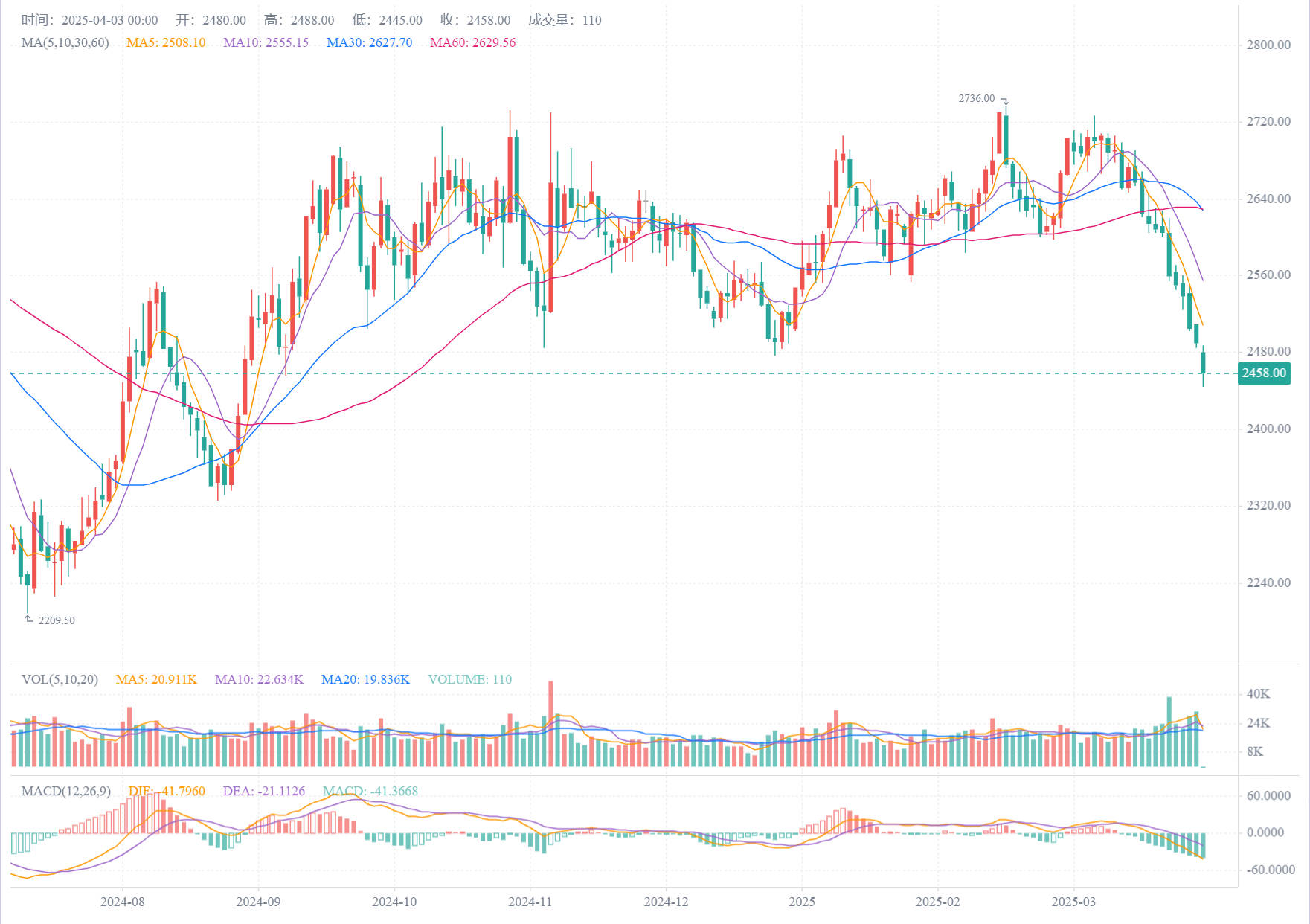
LME 3M aluminium prices came under pressure after the U.S. tariff announcement on 2 April, driven by concerns over weakening global demand and rising trade uncertainty. High tariffs are expected to disrupt Southeast Asia’s exports of aluminium products to the U.S., dampening primary aluminium consumption. Risk-off sentiment also led to long liquidation, further weighing on prices.

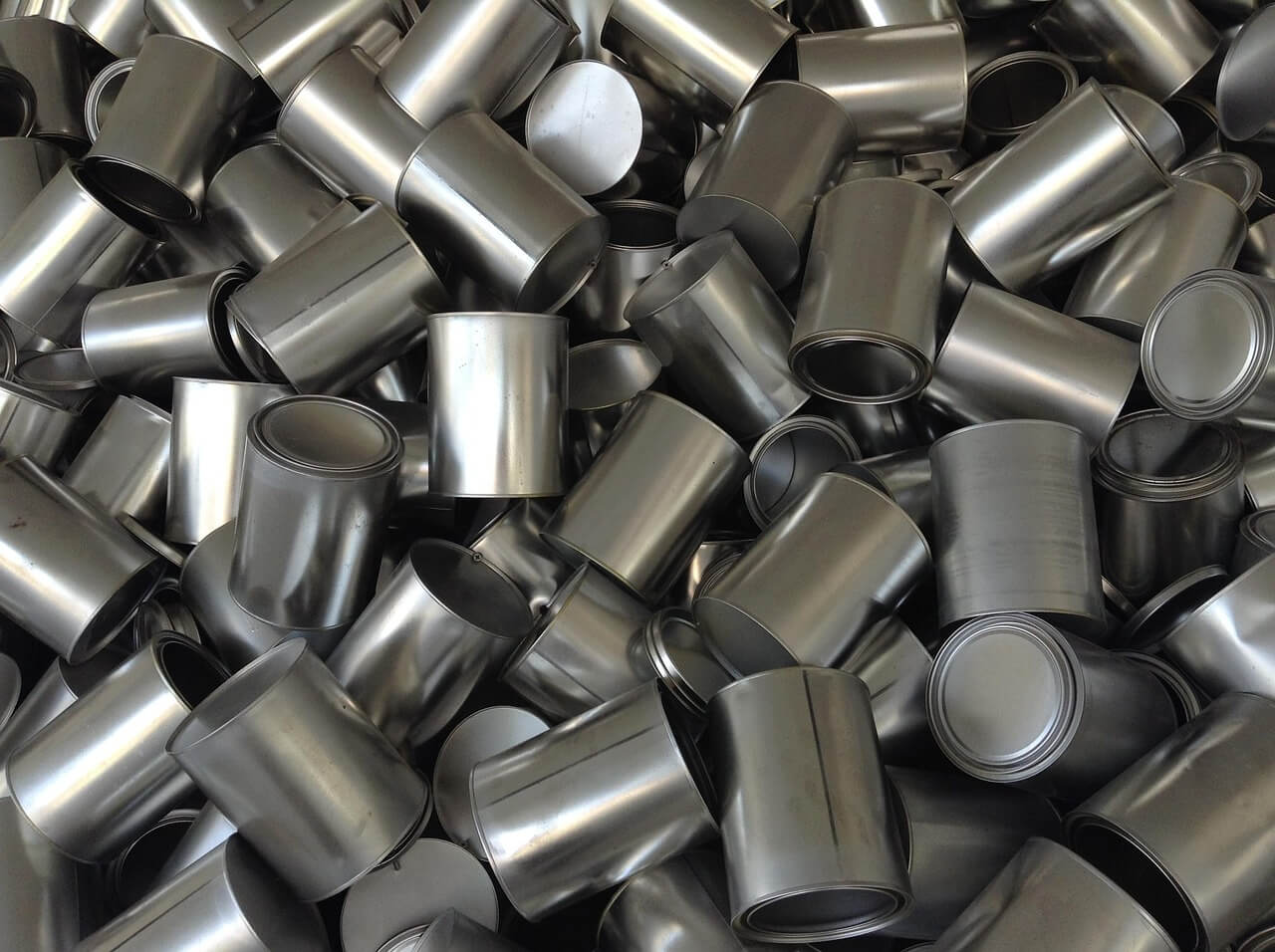
On April 2, President Donald Trump announced a new round of reciprocal tariffs. There is still no exemption from the existing tariff of 25% on imports of unwrought aluminium and aluminium products, and the scope was extended to imports of beer and aluminium cans.

As of April 3, the LME 3M daily average price stood at $2,460/t. In that case, the 25% tariff adds an estimated $615/t to the import cost. After factoring in ocean freight and inland transportation, the full landed cost for aluminium imports into the U.S. exceeds $800/t. At present, the U.S. Midwest premium has reached around $850/t, essentially aligning with this cost threshold. With minimal or no profit margin, the arbitrage window has effectively closed, and the premium has reached a stage of relative stability.

Back on February 12, Trump had already announced a blanket 25% tariff on steel and aluminium, with no exemptions, which officially took effect on March 12. In the weeks following that announcement, the Midwest premium rose sharply due to accelerated pre-tariff shipments. At that time, the arbitrage incentive was still strong, prompting exporters to rush cargoes to the U.S. Now that the tariff has taken effect, margins have been squeezed and market momentum has weakened. On the supply side, no major changes have occurred under the new tariff regime.

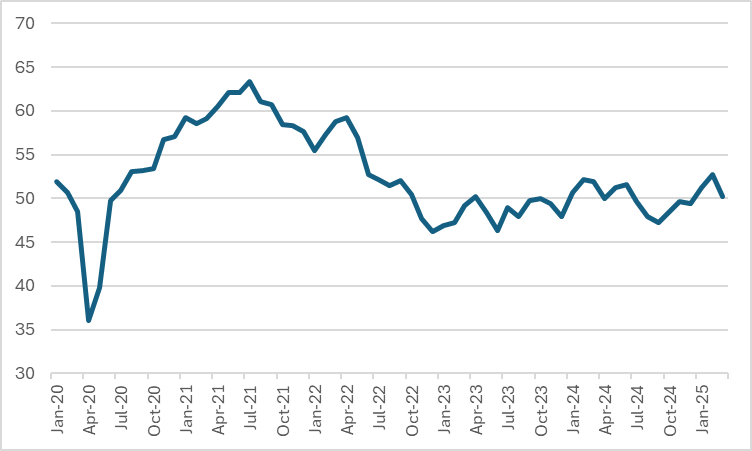
Meanwhile, U.S. domestic demand has underperformed. According to S&P Global, the February manufacturing PMI fell by 2.5 points to 50.2, and the March Consumer Confidence Index declined by 7.2 points to 92.9 (1985=100), signaling weak sentiment and sluggish demand outlook. In this context of uncertain demand and unpredictable policy developments, market participants are leaning toward just-in-time procurement instead of stockpiling, further limiting upside potential for premiums. There is even a risk of pullback in the near term.

In addition, the recently announced "reciprocal tariffs" targeting Southeast Asian countries may also dampen regional demand expectations. Since U.S. premiums are unlikely to drive meaningful structural arbitrage anymore, regional premiums in Europe and Japan may continue to face downward pressure, especially if U.S. demand weakens and more supply stays within local markets.

Fig 1. U.S. consumer confidence Index falls in March

Fig 2. U.S. manufacturing PMI index fell by 2.5 MoM in March (source: S&P Global)

There was also downward pressure on LME 3M aluminium prices. Following the release of the tariff policy, LME 3M prices moved lower, reflecting broader macro-market concerns over the outlook for global demand. It is widely believed that the high tariff policy will disrupt exports of aluminium-containing manufactured goods—particularly from Southeast Asia—to the United States, thereby weighing on actual consumption of primary aluminium. In addition, the escalation of tariffs has heightened global trade uncertainty, triggering risk-off sentiment and prompting the unwinding of some long positions, which further dragged prices down. As a result, in the short term, LME aluminium prices are likely to remain more influenced by macro sentiment and global demand expectations than by physical supply factors.


Fig 3:LME 3M aluminium prices remain under pressure


Author:Xinyi Liu | Aluminium Analyst | SMM UK

Tel: +44 07919949818 | Email: cathyliu@smm.cn
Data Source Statement: Except for publicly available information, all other data are processed by SMM based on publicly available information, market communication, and relying on SMM‘s internal database model. They are for reference only and do not constitute decision-making recommendations.

For any inquiries or to learn more information, please contact: lemonzhao@smm.cn
For more information on how to access our research reports, please contact:service.en@smm.cn
Related News
Fed Governor Milan Pushes for Over 100 Basis Points Cut, Contradicts Barkin on Caution
12 hours ago
Fed Governor Milan Pushes for Over 100 Basis Points Cut, Contradicts Barkin on Caution
Read More
Fed Governor Milan Pushes for Over 100 Basis Points Cut, Contradicts Barkin on Caution
Federal Reserve Governor Milan pointed out that it is necessary for the US Fed to cut interest rates by more than 100 basis points this year. At the same time, he is very much looking forward to the performance of Kevin Warsh as Fed Chairman. However, Richmond Fed President Barkin emphasized that monetary policy must remain cautious until inflation fully pulls back to the target level, thereby ensuring the stability of the labour market.
12 hours ago
Democratic Senators Demand Delay in Fed Nomination Amid Criminal Investigation
12 hours ago
Democratic Senators Demand Delay in Fed Nomination Amid Criminal Investigation
Read More
Democratic Senators Demand Delay in Fed Nomination Amid Criminal Investigation
All 11 Democratic members of the US Senate Banking Committee jointly sent a letter to the committee's chairman, Tim Scott, requesting that all nomination processes for the prospective Fed Chairman, Kevin Warsh, be postponed until the criminal investigation into current Fed Chairman Powell and other board members is concluded. However, Scott stated that Warsh's confirmation was a done deal.
12 hours ago
Fed to Keep Large Banks' Capital Levels Unchanged, Postpones Stress Test Reforms Until 2027
12 hours ago
Fed to Keep Large Banks' Capital Levels Unchanged, Postpones Stress Test Reforms Until 2027
Read More
Fed to Keep Large Banks' Capital Levels Unchanged, Postpones Stress Test Reforms Until 2027
The US Fed has announced that it will maintain the capital levels of large banks unchanged during the upcoming stress test cycle (corresponding to the 2026 cycle). At the same time, the US Fed is planning multidimensional reforms to this annual test, aiming to enhance its transparency. The US Fed's Vice Chair for Supervision, Bowman, revealed that adjustments to the stress capital buffer requirements for large banks will be postponed until 2027. This move is intended to provide the US Fed with sufficient time to evaluate potential flaws that may be exposed in its testing models when assessing banks' financial conditions under simulated economic downturn scenarios.
12 hours ago