Cobalt's Place in Africa's Economy
Cobalt has turned into a major mineral for the world's economy. It plays a big role in making batteries for electric vehicles (EVs). Africa holds an important spot in the global cobalt scene. It supplies a huge chunk of this valuable resource.
Top Cobalt-Producing Countries in Africa
Africa has some of the richest cobalt deposits on Earth. The Democratic Republic of Congo (DRC) leads the pack. It produces around 70% of the world's cobalt. This comes from its mineral-packed areas, like Katanga, known for top-notch cobalt reserves. Nearby nations, such as Zambia, pitch in too. But their share is much smaller than the DRC's.
These countries' role in cobalt mining makes Africa a must for industries needing this stuff. Still, this also brings up problems about leadership and green mining ways.
Economic Gains from Cobalt Mining
Cobalt mining lifts local economies a lot. It creates jobs and brings in cash from sales abroad. In spots like the DRC, cobalt exports are a big source of foreign money. This cash can pay for roads, schools, and local projects if used right.
Also, the world's hunger for cobalt pulls in funds from large companies overseas. This ties African markets closer to global trade. These funds often bring new tools and know-how. That helps industries grow and branch out.
Rising Cobalt Need in the EV World
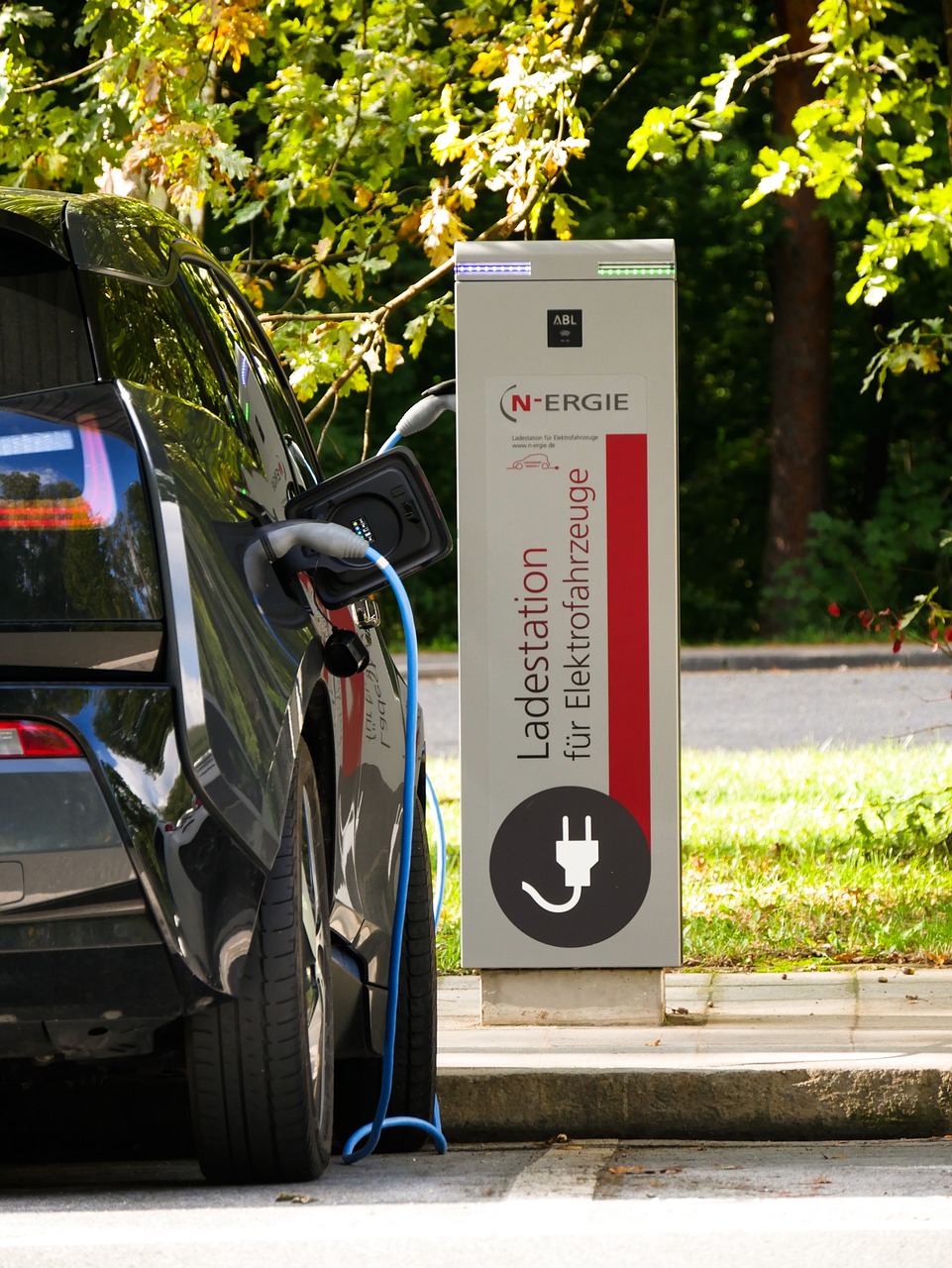
The move to cleaner energy has spiked the call for cobalt. It’s a key piece in lithium-ion batteries. Those power electric vehicles, a vital part of green travel.
Why EVs Need Cobalt
Cobalt is great because it boosts battery power and keeps them steady. This makes EV batteries run better and hold up longer. People are looking into other options, like nickel or solid-state batteries. But right now, cobalt is the go-to for meeting performance needs.
It's not just for EVs either. Cobalt helps run small gadgets and store renewable energy. This wide use shows how big a deal it is across different trades.
EV Market Growth and Its Push on Cobalt Demand
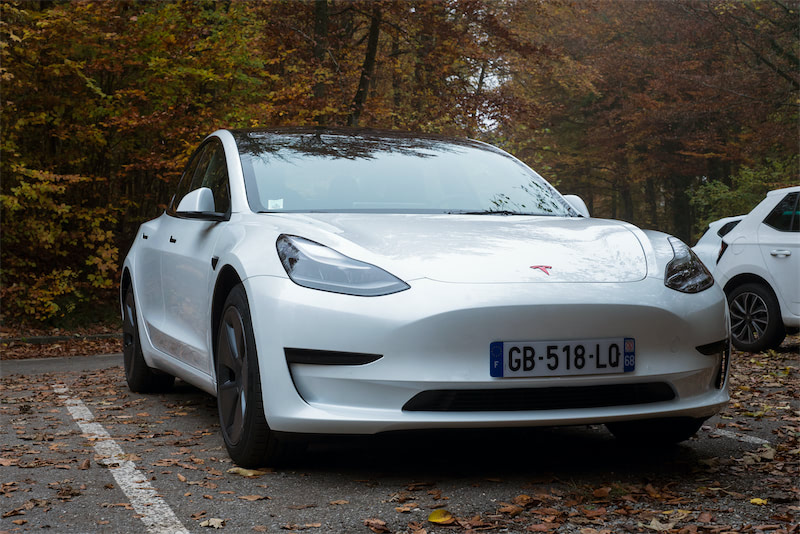
The EV market is set to take off in the next few years. Governments everywhere are pushing green rules. Experts say EV sales might hit over 30 million a year by 2030. This jump will crank up the need for cobalt. It'll put more pressure on supply lines.
Africa's spot as a top supplier puts it right in the middle of this shift. But meeting this need without harm means fixing issues in its mining world.
Hurdles in Fair Cobalt Sourcing in Africa
Cobalt mining brings cash, but it also gets flak for ethical troubles. These include human rights wrongs and nature damage.
Human Rights Troubles in Cobalt Work
Stories point out tough stuff like kids working and risky job sites in small mines. This happens a lot in places like Katanga in the DRC. Workers often don't have good gear or training. That puts them in danger of getting hurt bad or dying.
Groups and companies are trying to track where cobalt comes from to keep it fair. Tools like blockchain follow it from mines to buyers. This pushes for clear dealings and responsibility in supply lines.
Nature's Hit from Cobalt Mining
Cobalt digging risks the environment big time. It can wipe out forests, wreck soil, and dirty water with chemical spills. This messes up nature and hurts locals who count on it to live.
Fixing these nature problems takes tough rules and earth-friendly mining habits. Help from other countries can chip in with skills and money for green plans.
Ways to Fix Africa's Fair Sourcing Mess
World Rules and Guidelines for Fair Mining
Setting up global rules is a must to tackle ethical snags in Africa's cobalt trade. Plans like the OECD Due Diligence Guidance for Responsible Supply Chains of Minerals give tips for companies. They help source stuff the right way. These rules focus on being open, tracking goods, and owning up in supply lines. That ensures cobalt work fits ethical lines.
Putting these world tips into local laws can clean up oversight in places like the DRC. Leaders can work with global teams to make mining firms follow them. For instance, certificates proving fair cobalt can cut out kid labor and unsafe jobs. This also makes African cobalt look better worldwide. It pulls in more cash from big firms.
Plus, moves like the Extractive Industries Transparency Initiative (EITI) help keep money matters clear in mining. Firms have to show what they pay governments. This makes sure cobalt cash helps people, not just a handful. It lines up with Shanghai Metals Market's (SMM) aim to share straight-up, fair info on the metals trade. That builds trust and duty.
Tech's Job in Keeping Supply Lines Open
New tools are a game-changer for fixing ethical woes in Africa’s cobalt scene. Blockchain, for one, gives a solid way to trace cobalt from mines to users. It sets up a digital record that can't be tweaked. This keeps every step clear and provable. It stops fair cobalt from mixing with stuff from bad practices.
Artificial intelligence (AI) and machine learning step up supply line checks too. They study data to catch weird trends. This helps firms spot rule-breaking fast. Also, satellite pics and remote sensing watch mining as it happens. They show how it hits nature and if rules are kept.
Using these tools takes teamwork from leaders, companies, and world groups. Money for digital setups and training is key. It helps locals learn to handle these tools well.
Shanghai Metals Market (SMM) taps its wide links and skills to give advice fit for the metals trade's quirks. By using stuff like blockchain and AI, SMM proves tech can drive clear and green supply lines worldwide.
Mixing Economic Growth with Fair Ways
How Fair Sourcing Lifts Locals
Fair sourcing doesn't just fix rights issues. It also builds steady economic growth for local folks. By sticking to good work rules, mining firms can make jobs safer and pay fair wages. This calms things down and betters life for workers and their kin.
On top of that, cash from fair cobalt can go back into local projects. Think schools, clinics, and roads. Building schools near mines keeps kids learning, not working. Better clinics cut health dangers from mining.
Fair sourcing opens doors for women in mining too. Training gives them skills for all kinds of jobs there. It shakes up old ideas about who does what.
Big companies from abroad should back this up. They can team with local leaders and non-profits. Through corporate social responsibility (CSR) plans, they fund projects that fit local needs and green goals.
SMM's push for industry growth shares ideas on ways that help firms and locals alike. Focusing on fair sourcing lets everyone make a good mark beyond just profits.
Long-Term Meaning for Africa's Future
Switching to fair sourcing shapes Africa’s growth down the road. Smart mining keeps resources safe for kids tomorrow. It matches up with world aims like the Sustainable Development Goals (SDGs). Those cover ending poverty, better schools, fair treatment for all, clean energy, and climate care.
By leading in fair sourcing, Africa can lock in its spot in the global metal game. It also tackles gaps in wealth and fairness at home. Fair ways draw cash from green-focused markets. Those want sustainable stuff for EVs and renewable energy.
Plus, new tech bumps up output and trims costs over time. It does this by working smarter. It also cuts nature’s harm from old mining tricks like open pits or small jobs with no watch. This shift fits tight with SMM’s dream—giving tools for sharp choices that build tomorrow's trades the right way today!
Frequently Asked Questions (FAQs)
1: What's fair sourcing?
It’s getting stuff with good work conditions and less harm to nature while following world rules today!
2: How does blockchain help openness?
It makes safe digital logs to track supply steps. It keeps things real and stops shady stuff from sneaking in!
3: What do big firms do for ethics?
They fund CSR plans that boost locals with schools, clinics, and roads. Teamwork lifts life for all worldwide!
4: Can green ways keep profits up long-term?
Yes! Smart methods save cash, work better, and pull in green investors. They mix profit with nature care—a big deal trades face now!
For more on metal markets or Shanghai Metals Market (SMM), hit our site. We share top prices, breakdowns, and advice for global trades. At SMM, we help you see the real China from a world angle!
![마그네슘 가격 3거래일 연속 상승! 원가 측면은 여전히 '뜨겁게 타오르는' 반면 수요 측면은 바통을 이어받기 어려워 [SMM 논평]](https://imgqn.smm.cn/usercenter/EutUV20251217171724.jpeg)