Understanding Rare Earths and Their Distinct Traits
What Are Rare Earth Elements?
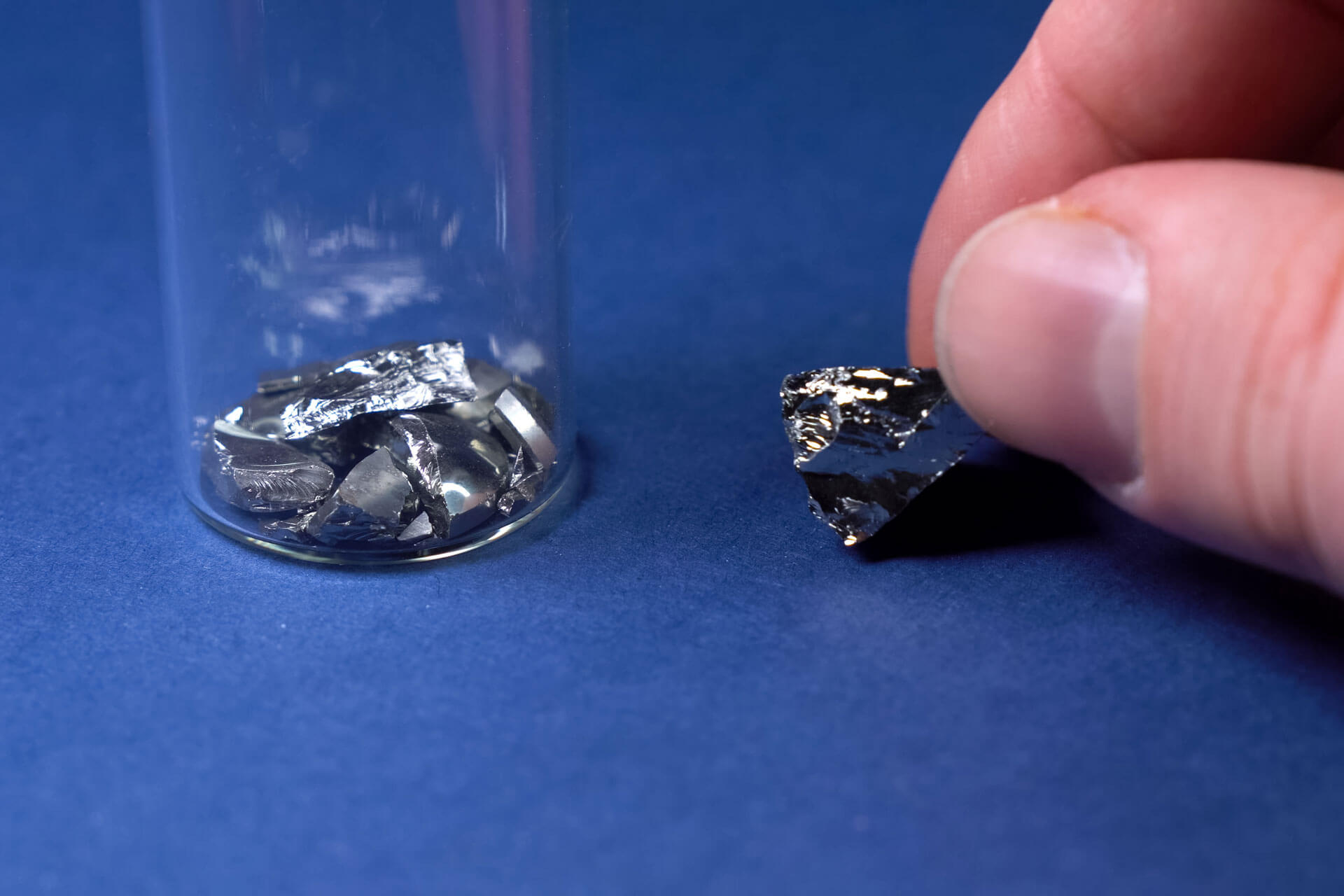
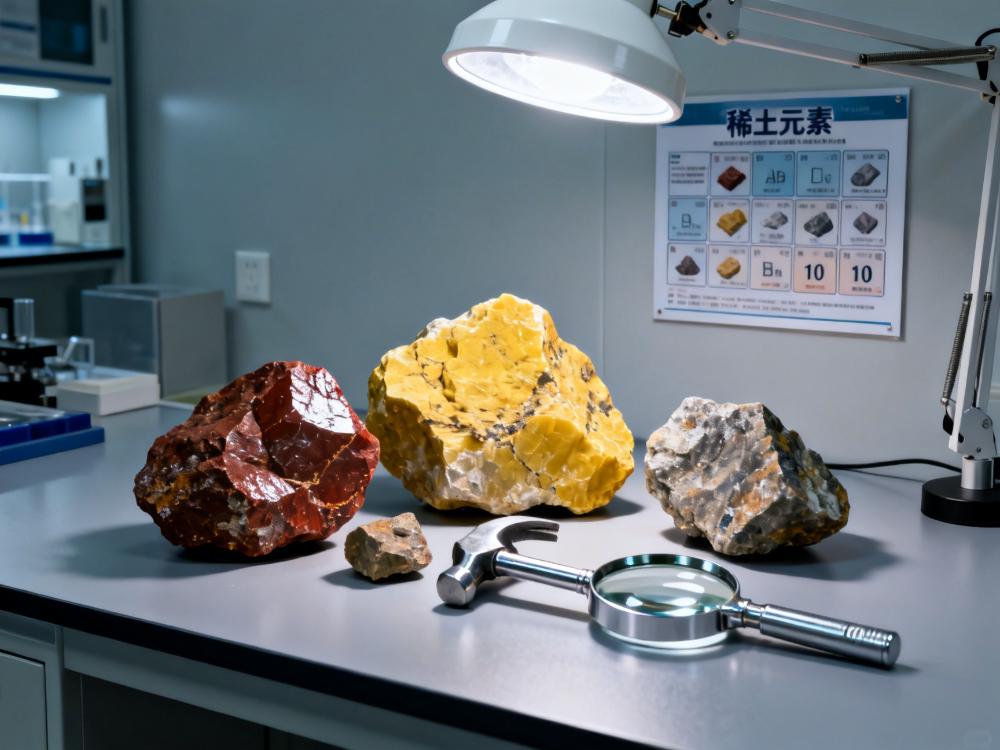
Rare earth elements (REEs) consist of 17 metallic elements with similar chemical traits. This group includes the 15 lanthanides, plus scandium and yttrium. These elements aren’t truly "rare" regarding their presence in the Earth’s crust. However, they are typically scattered rather than gathered in deposits that are easy to mine profitably. This spread-out nature complicates their extraction and purification. Despite their name suggesting scarcity, rare earths are vital to modern tech. Their unique physical and chemical features drive their importance.
Key Features of Rare Earth Metals
Rare earth metals stand out due to their remarkable magnetic, glowing, and electrochemical qualities. These properties make them essential for various uses. For instance, they help create strong magnets, glowing materials for displays, and catalysts for industrial tasks. Neodymium powers durable permanent magnets. Europium plays a key role in producing red glows for TV screens and LED lights. Their special electron setups allow them to perform tasks unmatched by other substances.
Economic and Strategic Value of Rare Earths
Rare earths hold great worth in high-tech fields like renewable energy, defense, and gadgets for everyday use. They are crucial in wind turbines, motors for electric cars, and cutting-edge weapons. Their control has turned into a global power issue. Nations compete to lead in new tech advancements. China’s grip on rare earth mining and refining highlights their worldwide significance. At Shanghai Metals Market (SMM), we offer a complete online hub. It includes benchmark prices, insights, news, consulting, and events for the metals and mining sector.
The Role of Rare Earths in Artificial Intelligence
How AI Relies on Rare Earth Materials
Artificial intelligence (AI) depends heavily on hardware made with rare earths. These materials support everything from data storage to processors running complex learning systems. Dysprosium and terbium boost magnet strength in AI-powered robots. Yttrium aids superconductors that enhance computing speed and efficiency.
Uses of Rare Earths in AI Hardware
Rare earths are key to many parts that make AI work:
- Magnets: Neodymium-iron-boron magnets drive small, mighty motors in robotic limbs and drones.
- Phosphors: Europium-based materials improve screens that show AI-processed data.
- Batteries: Lanthanum helps build nickel-metal hydride batteries. These power numerous AI devices.
These examples show how rare earths support the physical setup for advanced AI solutions.
Improving Machine Learning and Data Handling with Rare Earths
Machine learning needs vast computing power, often provided by GPUs or TPUs. Rare earths like gadolinium increase heat resistance in these units. This keeps them running smoothly under heavy loads. Scandium alloys also help. They create light, tough frames for servers that host AI programs.
Rare Earths in Modern Data Centers
Rising Need for Rare Earths in Data Centers
Data centers support our digital world by managing cloud services and processing huge data volumes daily. As cloud computing demand surges, so does the need for efficient setups using rare earths. Advanced cooling with yttrium-based superconductors tackles heat issues. This is vital given the energy demands of data centers.
Essential Parts in Data Centers Using Rare Earths
Several data center components rely on these metals:
- Hard Drives: Neodymium magnets allow compact designs with high storage space.
- Cooling Systems: Yttrium-based superconductors boost energy savings.
- Power Supplies: Lanthanum enhances batteries for steady power during outages.
These upgrades show how rare earths enable growth in data center systems while keeping them sustainable.
Significance of Magnets and Alloys from Rare Earths
Magnets crafted from neodymium-iron-boron alloys keep data centers running smoothly. They power robotic arms for server upkeep and fans for temperature control. Scandium-aluminum alloys offer light, durable support. These resist wear even after long use.
Supply Chain Hurdles for Rare Earth Elements
Worldwide Production and Spread of Rare Earths
Rare earths are mined and processed in just a few countries. China leads, producing over 60% of the global supply. Other key players include the United States, Australia, and Myanmar. Though found in many geological spots, their mining often isn’t cost-effective. This is due to their scattered nature and tricky extraction steps.
Distribution faces limits too. Refining mostly happens in China, creating a choke point. This affects global access to processed rare earth goods. Such focus exposes weaknesses in supply chains, especially for industries needing steady, quality materials.
China’s Lead in the Rare Earth Market
China’s top spot in rare earths isn’t by chance. It stems from years of smart investments in mining and processing tech. The nation excels in both digging up and refining these elements. Chinese firms gain from large-scale operations and state support. This helps them outpace rivals abroad.
Environmental and Political Issues in Rare Earth Mining
Extracting and refining rare earths harms the environment. Mining disturbs vast land areas, causing erosion and habitat loss. Chemical steps to purify them produce toxic waste. This can pollute water sources.
Politically, leaning on one main supplier like China sparks tension. Nations want secure supply lines. The U.S. and Australia are working to build their own sources. Yet, catching up demands big spending on tech and facilities.
Future Outlook: AI, Data Centers, and Rare Earth Demand
Growth of AI Tech and Its Effect on Demand
AI’s fast rise will spike the need for rare earths. Tools like GPUs and TPUs, vital for AI, use neodymium for magnets and gadolinium for heat control. Self-driving cars, robots, and smart gadgets—all AI-driven—will boom in the next ten years. This surge will strain rare earth supply lines. Ensuring steady access grows more urgent as production ramps up.
New Designs in Data Centers to Use Resources Better
Data centers fuel AI by powering its algorithms. To cut energy use, new ideas are shaping their design:
- Cooling Advances: Yttrium-based superconductors improve efficiency in heat management.
- Power Storage: Lanthanum-boosted batteries provide backup during blackouts.
- Smaller Storage: Neodymium magnets enable high-capacity drives in tight spaces.
These changes save resources, lower costs, and maintain top performance for AI needs.
Weighing Tech Advances Against Green Practices
As tech speeds ahead, sustainability matters more. Mining rare earths hurts the environment, so cleaner methods are key. Firms are researching ways to cut waste in processing. Recycling used products with rare earths is another focus.
Governments are also acting. They’re setting rules for eco-friendly mining. Teamwork between countries could set fair sourcing norms. These would match global green targets.
Frequently Asked Questions (FAQs)
How does China’s lead impact global rare earth access?
China’s hold on mining and refining creates risks for nations needing these materials. Supply disruptions are a concern.
Why do AI technologies need rare earths?
They offer vital traits like magnetic power and heat resistance. These are key for hardware like GPUs in learning models.
What green issues come from rare earth mining?
Mining produces toxic waste that can harm ecosystems. It also destroys land through heavy digging.
Can we reduce reliance on China’s exports?
Yes, places like Australia and the U.S. are funding local mining efforts. This aims to spread out global supply options.
For deeper market trends or metal industry details, check out Shanghai Metals Market (SMM).