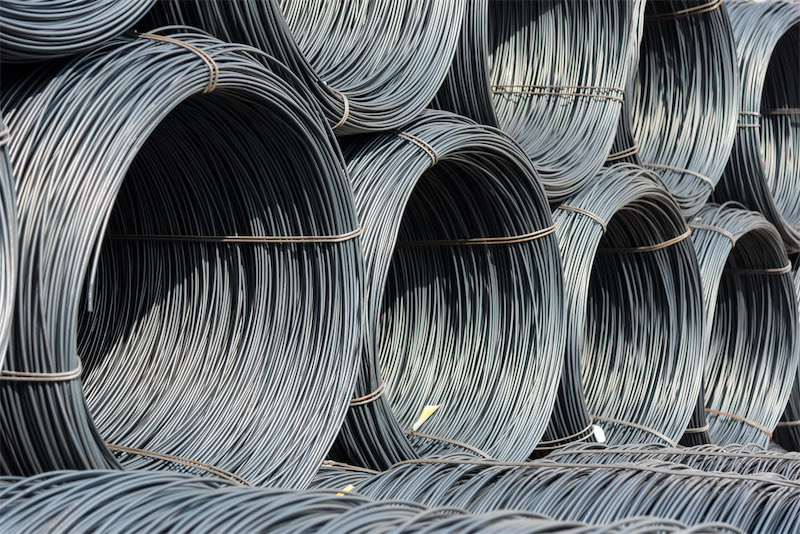
The world focus on sustainability is growing across the board, and the ferrous metals sector, a cornerstone of modern infrastructure and industry, is not exempt. From production at the raw material level of extraction through end product manufacturing in steel, environmental factors and the demand for a greener economy are precipitating radical changes.
But what does the future hold for ferrous metals as sustainability initiatives come into the spotlight?
The Increasing Place of Sustainability for the Ferrous Metals Sector
How Will Pressure for Cleaner Processes Shape Iron Ore Markets?
Iron ore, the main raw material of steel, is increasingly under pressure over its extraction and environmental impact. Will efforts at sustainability reshape the way iron ore is extracted and traded?
Sustainability concerns are already affecting the iron ore market. Governments all over the world are imposing stricter environmental regulations, forcing mining operators to adopt cleaner forms of extraction.
The industry has already begun to react, with some operators considering low-carbon mining and additional investment in carbon offsetting programs. Additionally, fluctuations in demand related to such green efforts will continue to affect iron ore prices significantly.
The "Domestic Iron Ore Brief Review" reports resumptions of Tangshan production and unstable concentrate prices, both indications of supply-sensitive market reactions. Could environmental controls increasingly be principal drivers of this type of volatility in the future?
With progressively tighter limits on emissions, additional costs of green mining will rise, inducing levels of price adaptation in global iron ore markets.
The Rise of Green Steel: Is Sustainable Production Inevitable?
Steel manufacturing is a high-carbon, high-energy process. Will steel manufacturing be changed to more environmentally friendly processes?
Environmental and government pressure is pushing the move towards green steel. Technologies like hydrogen-based steelmaking are emerging as possible alternatives to traditional carbon-based processes. Companies in nations like Europe and China are piloting hydrogen direct reduction processes to lower emissions.
Already, reports indicate that green protection policies are leading to reduced hot-rolled coil (HRC) availability. The "SMM Rebar Daily Review" demonstrates how production falls due to sustainability initiatives impacting steel prices and trends.
We can expect industry-wide changes where green steel acts as a bulk alternative if the trends continue.
The Changing Role of Coke and Coal in Ferrous Metals
Coal-baked coke is also a very significant reductant in blast furnaces, the ubiquitous primary steelmaking method. Will their role be diminished in the future ferrous metals industry when used with emissions of carbon with coal and coke?
The "SMM Daily Review on Coal and Coke" summarizes ongoing price declines and profitability shifts in the business. While losses have been incurred, the majority of coke operations remain marginally profitable as concessions on raw material prices and reasonably stable production levels have ensured profitability.
However, as governments around the world move towards decarbonization, alternative alternatives such as electric arc furnaces (EAFs) and hydrogen-based reduction techniques become increasingly sought after.
The increasing emphasis on cleaner production technology will also reduce coke demand in the long run. Although aged blast furnaces will still be needed, cleaner technologies that revolutionize the industry may turn coke's dominance upside down.
The Future of Recycling and Circular Economy in Ferrous Metals
Will Recycling Become the Cornerstone of a Sustainable Ferrous Metals Supply Chain?
Ferrous metals, particularly steel, are very recyclable. Will more emphasis on activities of a sustainable nature lead to more ferrous scrap recycling?
Scrap steel recycling is now part of the circular economy, and its applicability will grow even further in the future. "Steel Scrap Purchase Price Adjustment by Anyang Steel in Henan" represents dynamic market forces for scrap.
It saves energy through recycling steel by up to 75% over the main production process, making it a highly desirable pathway for the greener future ahead.
Governments and firms are implementing policies to encourage the utilization of scrap, such as tougher scrap collection regulations and tax credits for recycling mills. The larger the programs become, the more recycled steel will play an important role in reducing the industry's carbon footprint.
Market Dynamics and Sustainability: A Changing Landscape
How Do Existing Market Trends Indicate a Move Towards Sustainability in Ferrous Metals?
A look at current market news provides a glimpse into the evolving position of sustainability in the ferrous metals market. Is there any evidence of heightened awareness of environmental concerns in market trends?
There are several trends that suggest sustainability is emerging as a major market driver:
●Environmental limits are increasingly impacting supply and prices as production reductions.
●The development of green steel investments is redefining long-term raw material demand.
●More regulated steel making and mining are forcing costlier operations.
●ESG investment and green lending are forcing businesses to become greener in what they do.
Sensitivity in the market on sustainability news is indicating that tone-deaf companies will be competitively disadvantaged. Will industry consolidation increase with sustainability becoming a growing priority ahead of market preference?
Navigating the Changing Ferrous Metals Market with Insight
It is crucial for policymakers, investors, and business houses to appreciate the ferrous metals market trends towards sustainability endeavors. Where would you turn for full and real-time information in order to read the evolving trends?
Shanghai Metals Market (SMM) provides detailed insight and real-time data on the ferrous metals market. Our website provides vital information on:
●The current price news about coke, iron ore, and steel merchandise such as HRC and rebar.
●Environment policy news and market reports about how they influence the production.
●Supply-demand direction and inventory level of major ferrous metals.
●Investment mood concerning new green tech and sustainable steel-making technology.
SMM's analysis helps stakeholders in the ferrous industry take well-informed decisions in the wake of accelerated sustainability transformations.
Conclusion: Shaping a Sustainable Future for Ferrous Metals
The destiny of ferrous metals is inextricably intertwined with the world's sustainability agenda. While conventional production processes are under mounting pressure, the inherent recyclability of ferrous metals and the development of new low-emission production technologies provide a clear path to a more sustainable future.
Industry trends indicate that sustainability initiatives are already influencing supply chains, prices, and production. Those companies that adopt these changes early will most likely remain competitive. The question now is no longer whether sustainability will transform the ferrous metals market, but how quickly and effectively the industry will respond.
![[SMM Analysis] Indonesia plans to establish a BLU in the energy sector, with coal procurement and DMO mechanisms facing further clarification](https://imgqn.smm.cn/usercenter/ikbxI20251217171718.jpg)
![[SMM Analysis] Indonesia Drafts Energy Sector BLU, Raising Questions Over Coal Procurement and DMO Framework](https://imgqn.smm.cn/usercenter/wSpkX20251217171718.png)
![[SMM Analysis] India’s Proposed EU Steel Quota Mirrors Export Mix but Covers Only Half of Historical Trade](https://imgqn.smm.cn/usercenter/CrEsY20251217171716.jpg)