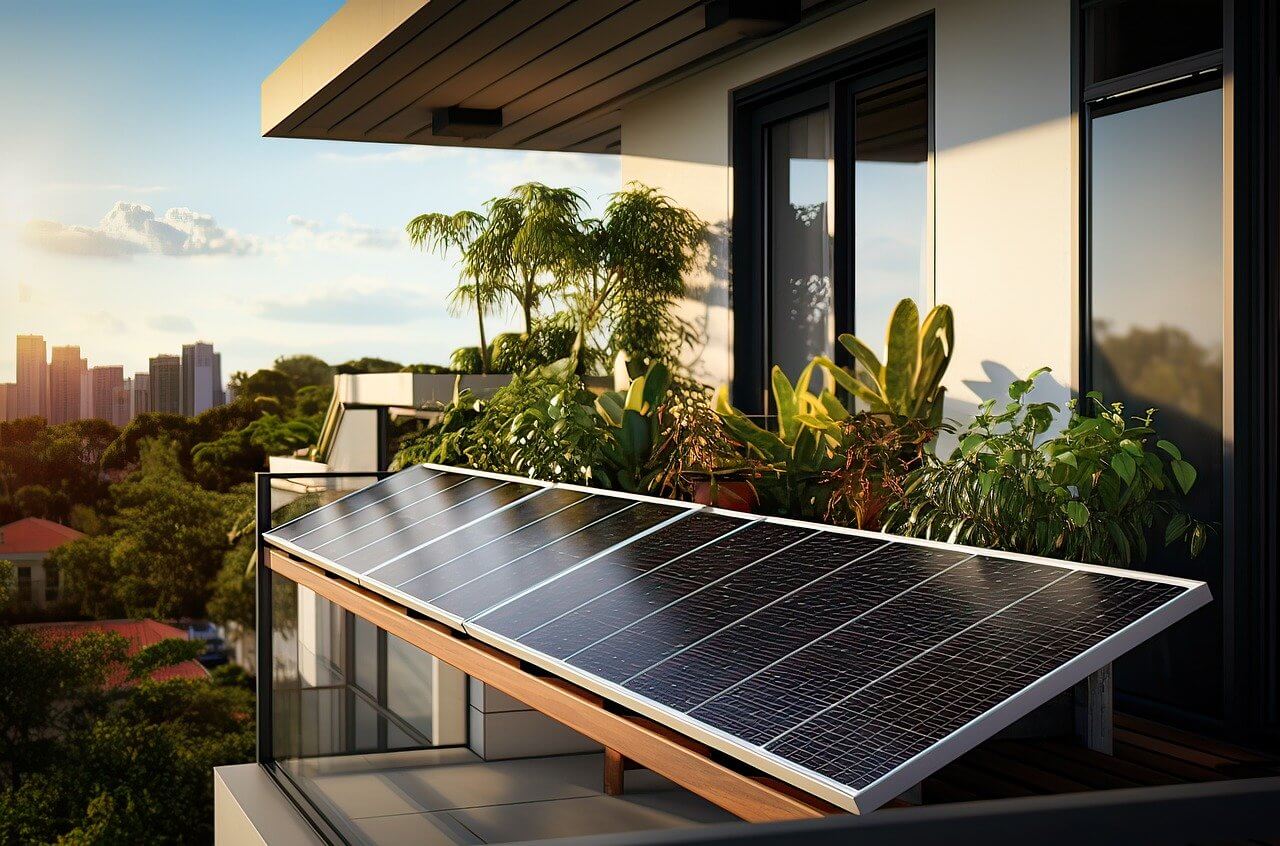
The policy of the "Catalogue of National Key Promoted Low-Carbon Technologies (Fifth Batch)" issued by the Ministry of Ecology and Environment and four other departments is an important initiative aimed at promoting innovation and dissemination of low-carbon technologies. Below is a detailed summary of this policy:
I. Policy Background and Objectives
To implement the spirit of the 20th National Congress of the Communist Party of China and the second, third plenary sessions of the 20th Central Committee, and to strongly support the innovation and promotion of low-carbon technologies while fostering and developing new productive forces, the Ministry of Ecology and Environment, in collaboration with the Ministry of Industry and Information Technology, the Ministry of Housing and Urban-Rural Development, the Ministry of Transport, and the Ministry of Agriculture and Rural Affairs, jointly compiled and issued the "Catalogue of National Key Promoted Low-Carbon Technologies (Fifth Batch)" in accordance with the relevant requirements of the "Implementation Plan for the Collection and Promotion of National Key Low-Carbon Technologies." The objective of this policy is to promote advanced low-carbon technologies, facilitate the green and low-carbon energy transition, reduce carbon emissions in key sectors such as industry, construction, transportation, and agriculture, and advance the development of digital intelligence-enabled technologies, non-CO2 emission reduction technologies, and carbon capture and storage technologies, thereby achieving the "dual carbon" goals and fostering green and low-carbon technological self-reliance.
II. Technology Classification and Content
The "Catalogue of National Key Promoted Low-Carbon Technologies (Fifth Batch)" includes a total of 103 technologies, categorized into five key directions:
- Technologies for Green and Low-Carbon Energy Transition: A total of 20 technologies, primarily covering innovation and application in fields such as renewable energy, hydrogen energy, and energy storage systems.
- Technologies for Carbon Reduction in Key Sectors Such as Industry, Construction, Transportation, and Agriculture: A total of 59 technologies, including 28 for the industrial sector, 11 for the construction sector, 15 for the transportation sector, and 5 for the agricultural sector. These technologies aim to reduce carbon emissions in various sectors through improvements in production processes, enhanced energy efficiency, and the use of low-carbon materials.
- Digital Intelligence-Enabled Technologies: A total of 14 technologies, mainly leveraging modern information technologies such as big data, artificial intelligence, and the Internet of Things to enhance energy efficiency and carbon emission management.
- Non-CO2 Emission Reduction Technologies: A total of 7 technologies targeting the reduction of other greenhouse gases such as methane and nitrogen oxides.
- Carbon Capture and Storage Technologies: A total of 3 technologies, focusing on the development and application of carbon capture, utilization, and storage (CCUS) technologies.
III. Policy Significance and Impact
- Promoting Innovation and Application of Low-Carbon Technologies: By promoting advanced low-carbon technologies, the policy stimulates corporate innovation vitality, drives the R&D and application of low-carbon technologies, and accelerates the optimization and upgrading of the energy structure.
- Advancing Green and Low-Carbon Development: The implementation of this policy helps reduce carbon emissions across various sectors, promotes the green and low-carbon transformation of the economy and society, and provides strong support for achieving the "dual carbon" goals.
- Enhancing International Competitiveness: Strengthening green and low-carbon technological self-reliance enhances China's international competitiveness in the field of low-carbon technologies and contributes China's wisdom and strength to addressing global climate change.
![[Solid-State Battery Rumor Refuted: CATARC's Wang Fang Says No Compliance Determination Made for Solid-State Battery Enterprises]](https://imgqn.smm.cn/usercenter/JSjkr20251217171728.jpg)
![[Lithium battery: Foshan Plastics plans over RMB 7bn for high-end separator capacity]](https://imgqn.smm.cn/usercenter/aXRJI20251217171728.jpg)
![[Solid-state: ProLogium starts mass production of Gen 3.5 all-solid-state cells at 381 Wh/kg]](https://imgqn.smm.cn/usercenter/mpqgn20251217171727.jpg)