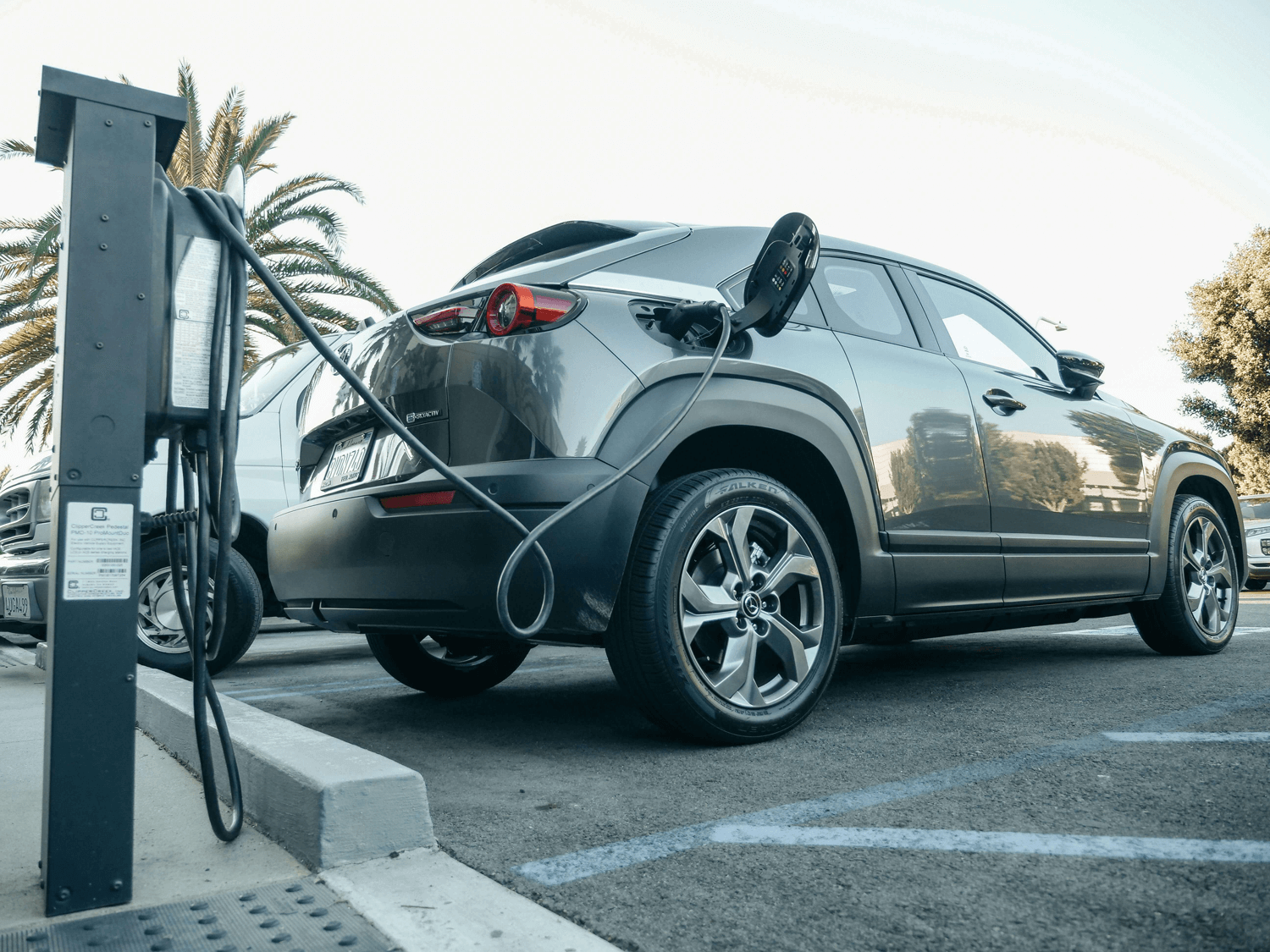
On February 21, the State Council held an executive meeting and reviewed and approved the "Action Plan for Improving the Recycling and Utilization System of NEV Power Batteries."
The meeting emphasized that China's NEV power batteries have entered a large-scale retirement phase, making it particularly important to comprehensively enhance the capacity and level of power battery recycling and utilization. Efforts should be made to strengthen full-chain management, address bottlenecks, and establish a standardized, safe, and efficient recycling and utilization system. Digital technologies should be employed to monitor the flow of power batteries throughout their life cycle, ensuring traceability across production, sales, dismantling, and utilization. Legal measures should be used to regulate recycling and utilization, with the formulation and improvement of relevant administrative regulations and enhanced supervision and management. Standards for green design of power batteries and carbon footprint accounting should be developed and revised to guide and promote recycling and utilization.
According to data released by Qichacha in December 2024, China currently has 162,000 enterprises related to battery recycling. In terms of registrations, the number of battery recycling-related enterprises in China has increased annually over the past decade. Notably, in 2021, the annual registration volume surged by 300.0% YoY to 27,400, marking the highest growth rate in the past decade. In 2023, the registration volume reached 46,200, setting a new record for the past decade. As of December 19, 2024, China had registered 40,200 related enterprises.
At the policy level, in December 2024, the MIIT announced the "Specifications for the Comprehensive Utilisation of Waste NEV Power Batteries (2024 Edition)" (hereinafter referred to as the "New Specifications"). Upon review, the New Specifications were adjusted and improved based on the 2019 version to address current industry changes and new trends, proposing updated and higher requirements.
For cascade utilization enterprises, the New Specifications clearly prioritize supporting enterprises with multiple related invention patents or utility model patents in applying for specification announcements. The annual cascade utilization volume of waste power batteries should not be less than 60% of the actual recycling volume of waste power batteries (both utilization and recycling volumes calculated by weight). Waste power batteries that cannot be used for cascade utilization should be handed over to recycling enterprises meeting the specifications for further processing.
For recycling enterprises, the New Specifications require active R&D and application of recycling technologies, equipment, and processes for cathode and anode materials, separators, electrolytes, and other components, aiming to improve the recycling level of waste power batteries. Through smelting or material restoration, the effective extraction and recovery of key valuable metals should be ensured. Specifically, the recovery rate of electrode powder after crushing and separation should not be less than 98%, with aluminum and copper impurity contents below 1.5%. The lithium recovery rate during smelting should not be less than 90%, while the recovery rates for nickel, cobalt, and manganese should not be less than 98%. The comprehensive energy consumption for producing lithium carbonate per unit product should be below 2,200 kilograms of standard coal per mt. For material restoration processes, the proportion of recovered materials to the target material content in the original power battery should not be less than 99%. The recycling utilization rate of process wastewater should reach 90% or higher.
![[SMM Analysis: China's Cobalt Intermediate Products Imports Up 107% MoM in May 2026]](https://imgqn.smm.cn/usercenter/oVqJl20251217171730.jpg)
![Impact of the Ministry of Commerce Adding 10 US Entities to the Export Control List on Solid-State Batteries [SMM Analysis]](https://imgqn.smm.cn/usercenter/olwlF20251217171731.jpg)