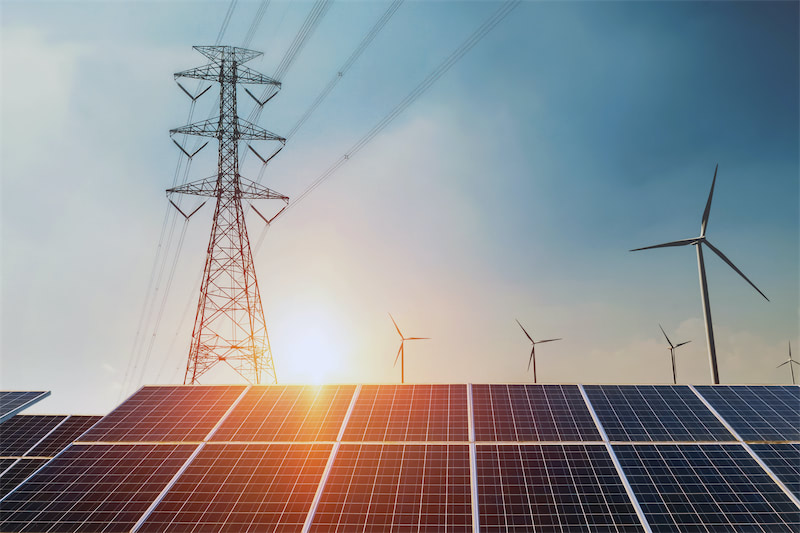
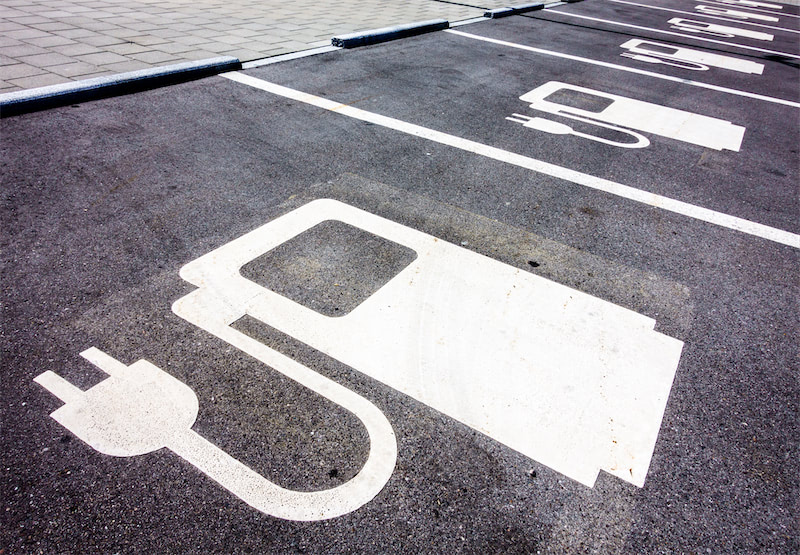
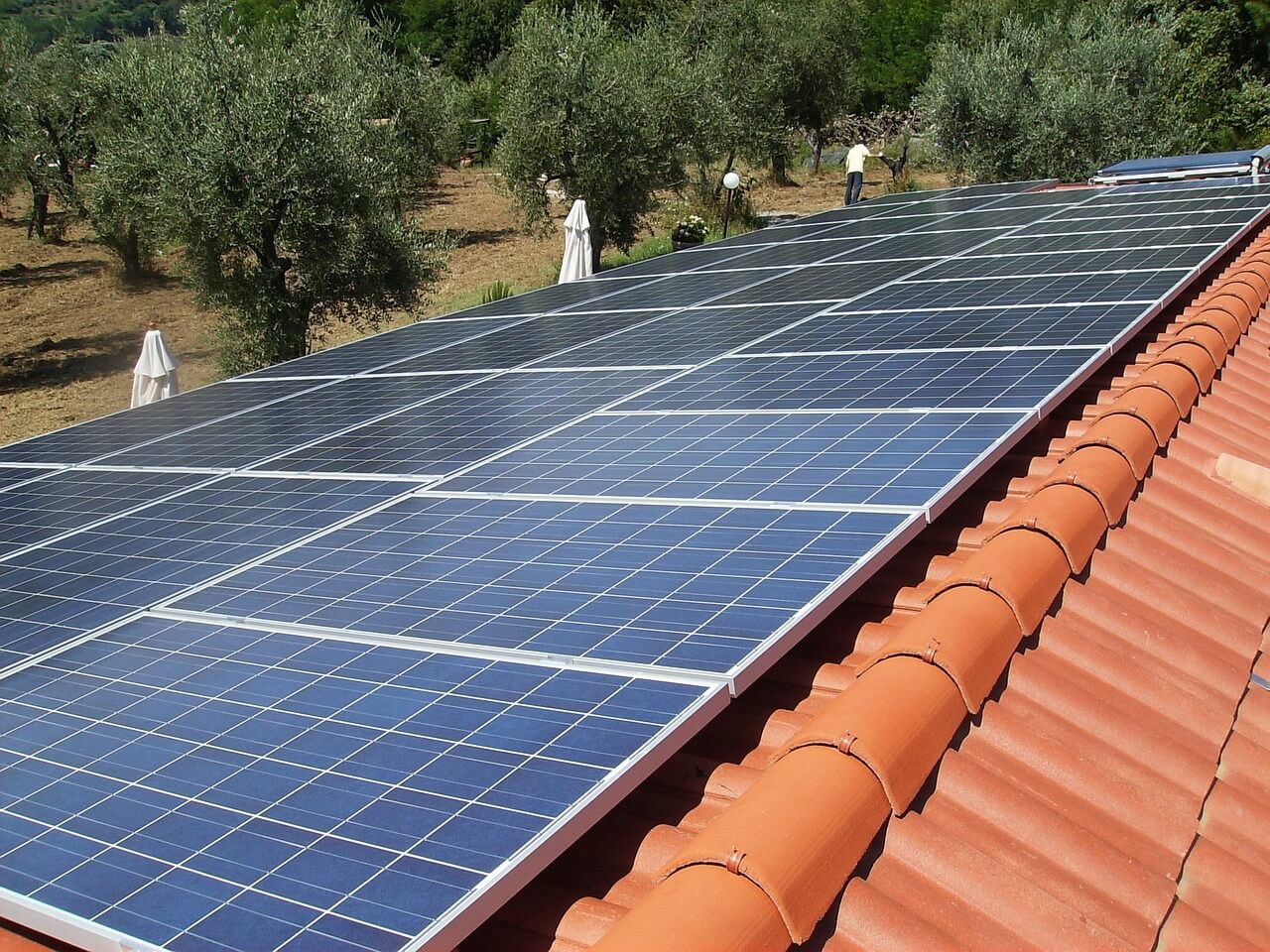
The new energy initiative of the world-EVs, batteries, and photovoltaic systems-has put huge demands on metals. Of these, copper, aluminum, and nickel are some of the most important metals due to their good conductivity, malleability, and specialized properties. However, the costs similarly go through the vagaries of such base metals, with their direct influence extending from the energy sector to the larger global economy as a whole. Because of this fact, it's for that reason that knowledge about how changing prices are shaping the new face of energy becomes important for companies sourcing and supplying such metals.
The Rising Demand for Copper, Aluminum, and Nickel in New Energy
While the world is going green, drawing energy from renewable sources, the demand for metals such as copper, aluminum, and nickel started to command exponential demand. These metals become very important in the manufacture of key components for new energy technologies: batteries, electric motors, solar panels, and wind turbines.
For example, copper features among the key materials in electric conductors for electric vehicles, renewable systems for energy generation, and storage systems. Equally critical supplies are for aluminum and nickel, metals also included in light, high-efficiency batteries that go to the very heart of electric vehicles and energy storage.
Current Price Trend: For What Reasons Prices Fluctuate
Prices of copper, aluminum, and nickel equally went up and down in January 2025 due to a change in the global supply chain, a shift in demand, and geopolitical tension.
Copper: On 15th January 2025, the average price of copper is at US$9,080.24 per metric ton, down by US$10.22 from the previous day. Since the beginning of this year, copper prices have been up and down with the erratically changing demand, especially that of China's, a great consumer. When global copper stock shrinks, especially when new energy infrastructure is being built at unprecedentedly fast paces, copper is getting more and more expensive. Tight supply and strong demand are also reflected in the rise of copper premiums-the added charge to the base price because of its limited availability.
Aluminum: The movement of aluminum was quite similar to that of copper. The price of aluminum ingot was US$2,410.32 per metric ton on January 15, 2025, down somewhat from the previous day. While higher usage in lightweight vehicle parts and in solar panels has kept demand higher, the oversupply of the metal witnessed globally during recent months and further reduced downstream demand in certain regions are softening prices. Besides, the energy cost of producing aluminum is getting higher, especially for such power-consuming processes as smelting, which further complicates the balance of supply and demand.
Nickel: Nickel is another very important raw material in the manufacture of batteries, especially lithium-ion batteries used in electric vehicles. The price is pretty up and down. On January 15, 2025, the price of nickel was $15,518.99 per metric ton, which declined compared with the previous day (SMM). While strong demand from battery manufacturing acts like a buoy to push the prices upwards, supply chain problems from mining and geopolitical issues are causing the fluctuations in price.
Fluctuation in its price influences the new energy market to a great degree.
Electric Vehicle Manufacturers: Most electric vehicle companies depend highly on these metals in the manufacture of batteries, components related to electric motors. Since it contributes much value to copper-based electric vehicle units such as cable wiring and connectors, the rise of the price would certainly increase copper-cabling manufacturing process units or plants. Similar is the trend for nickel-the material mainly being applied at cathodes of lithium-ion batteries. That again says it will increase its contribution to elevating battery production, followed by generally elevating costs regarding an electric vehicle model. On the other hand, lightweight properties of aluminum contribute to reducing the overall weight of vehicles, improving efficiency and range.
Impact on Photovoltaic Energy Systems: Other critical areas where these metals are finding their application include solar panels. Copper plays a great role in photovoltaic cells, while the frames of such panels and mounting systems are made from aluminum. Nickel is being increasingly used in batteries that store energy from the sun to help raise their energy density and efficiency. These fluctuations in the prices of these metals will always affect the cost of solar panels and energy storage systems. At this price, the high cost of metals may increase the cost of production for solar companies and slow deployment in both developed and emerging markets.
Energy Storage and Battery Technologies: Other than electric vehicles and solar panels, energy storage systems are among the most important in integrating renewable energy into the grid. Nickel is especially in high demand for nickel-cobalt-manganese batteries, dominant in large-scale storage applications. As the price of nickel feedstocks goes up, so does the price of NCM-type batteries directly, which could slow down the adoption of energy storage systems. Another good example of how the price of such metals could steer the larger energy transition is the position of aluminum in lighter, more efficient production of storage systems.
The Role of Shanghai Metals Market in Navigating Price Volatility
For companies that have to negotiate through the labyrinthine ways of the metals market, Shanghai Metals Market provides critical intelligence on copper, aluminum, and nickel prices. With market trends-an in-depth understanding of supply and demand and price forecasting-SMM would be quite indispensable in making properly informed decisions for manufacturers, traders, and investors.
For example, SMM's Copper Procurement Strategy Report comes with in-depth cyclic research, analysis of price fluctuations, and the consumption pattern will help the copper industry stakeholders foresee the market shift. On the other hand, SMM's Aluminum Procurement Strategy Report provides insights related to the domestic and international markets of aluminum, forecasts on aluminum prices, cost structure, and global supply-demand balance sheet.
Another such informant from SMM includes the Nickel Industry Procurement Strategy Report, which helps companies stay on top of the game in this fluctuating market. This report wraps up the analysis of the nickel price, including supply and demand trends, and the forecast of the battery market driven by nickel.
This will enable companies to hedge against the price risks, bargain more effectively with suppliers, and adjust their strategies witted by the fluctuating prices in the metals market. SMM also hosts a number of industry events for networking and discussing fresh trends in the metals sector.
Conclusion: Adapting to the Future of New Energy Metals
Volatility in copper, aluminum, and nickel is a two-way sword for companies in the new energy sector. The price fluctuations would strike at the cost structures of electric vehicles, solar panels, and energy storage systems, hence the pace of transition toward new energy. Companies should not fall behind market trends but proactively manage metal procurement strategies to maintain competitiveness in this changing landscape.
These SMM and other resources relate to valuable market intelligence, price forecasting, and industrial reports that provide the necessary insight needed to guide companies in times of unprecedented volatility. What is more, against a background of their existing roles for copper, aluminum, and nickel on this huge demand for green energy, an unprecedented increase is expected with regards to the metals supply chain when it comes to sustainability, especially securing this transition on track to renewables.