

With the rapid rise of the NEV industry, power batteries, as its core component, have seen explosive growth in usage. According to statistics, the current nationwide NEV ownership has exceeded 26.5 million units, with cumulative power battery installations surpassing 1,340 GWh. However, behind this green revolution lies an urgent environmental protection challenge: the recycling and disposal of lithium battery scrap.
Lithium battery scrap contains rare and valuable metals such as lithium, cobalt, and nickel. If not properly handled or disposed of carelessly, these batteries could lead to significant resource wastage and pose severe potential threats to soil, water sources, and other ecological environments. Therefore, establishing a standardized and environmentally friendly recycling system for lithium battery scrap to achieve effective resource recycling is a critical step in practicing the concept of green development and advancing ecological civilization.
In recent years, governments, enterprises, and research institutions have actively explored the field of lithium battery scrap recycling. Local governments have introduced a series of policies and measures to encourage recycling, providing strong legal support and financial incentives for the work. Meanwhile, various recycling models have emerged, such as establishing lithium battery scrap recycling networks and offering door-to-door recycling services, making it convenient for car owners and battery producers to hand over used batteries to professional institutions for processing. Additionally, some regions have explored the "trade-in" recycling model, which has further promoted the recycling of used batteries and the consumption of NEVs.
However, the recycling and disposal of lithium battery scrap still face numerous issues and challenges. To further advance the standardized recycling and disposal of lithium battery scrap, breakthroughs are needed in the following areas: Research institutions and enterprises should play a leading role in developing efficient and environmentally friendly recycling technologies, striving to minimize environmental impacts during the recycling process. Governments should legislate to clarify the responsibilities and obligations of power battery producers, users, and recycling companies, ensuring that recycling and disposal work is legally compliant and systematically regulated. In terms of public participation, efforts should be made to raise awareness and engagement through media campaigns, community activities, and other means to educate the public on lithium battery scrap recycling and disposal.
[SMM Analysis] How to Strategize Lithium Battery Scrap Recycling
With the rapid rise of the NEV industry, power batteries, as its core component, have seen explosive growth in usage.
Data Source Statement: Except for publicly available information, all other data are processed by SMM based on publicly available information, market communication, and relying on SMM‘s internal database model. They are for reference only and do not constitute decision-making recommendations.
For any inquiries or to learn more information, please contact: lemonzhao@smm.cn
For more information on how to access our research reports, please contact:service.en@smm.cn
Related News

12 hours ago
Beijing Launches 500-kV Power Project in Fengtai, Boosting Grid Resilience and Industrial Growth
Read More
Beijing Launches 500-kV Power Project in Fengtai, Boosting Grid Resilience and Industrial Growth
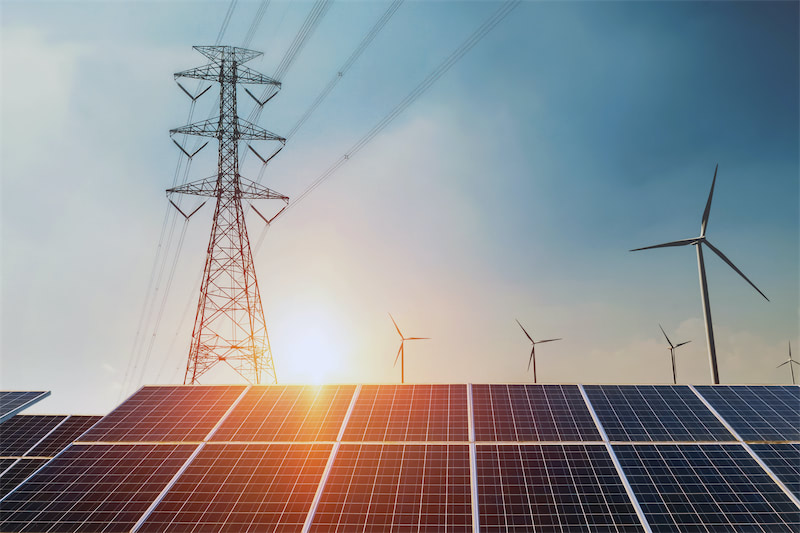
On January 28th, the construction of the 500-kilovolt power transmission and transformation project in Fengtai, Beijing officially started. This project is the first newly-built 500-kilovolt power grid project in Beijing during the 15th Five-Year Plan period. It will significantly enhance the resilience and power receiving capacity of the southern Beijing power grid and provide reliable power support for Beijing to continuously optimize the investment structure and vigorously develop high-end, precise, and cutting-edge industries.
The 500-kilovolt power transmission and transformation project in Fengtai, Beijing is a key project of Beijing's power grid during the 15th Five-Year Plan period and one of the "3 100" key projects in Beijing this year. It is constructed and managed by the State
12 hours ago
12 hours ago
Shaanxi-Anhui UHV DC Project's 500-kV AC System at Hezhou Station Begins Operation After Trial Run
Read More
Shaanxi-Anhui UHV DC Project's 500-kV AC System at Hezhou Station Begins Operation After Trial Run
On February 1st, the 500-kilovolt AC system of the Hezhou Converter Station, the receiving-end station of the ±800-kilovolt UHV DC power transmission project from northern Shaanxi to Anhui, was officially put into operation after a 24-hour trial run.
12 hours ago
12 hours ago
750-kV Power Line Connecting Northern to Central Shaanxi Fully Operational
Read More
750-kV Power Line Connecting Northern to Central Shaanxi Fully Operational
On February 2nd, the 750-kilovolt power transmission and transformation project of the third passageway from northern Shaanxi to central Shaanxi was fully connected. The project starts from the 750-kilovolt Shuofang Substation in Shenmu City in the north and ends at the 750-kilovolt Bailuyuan Substation in Lantian County in the south. It has newly built a 1,271-kilometer line, passing through 18 counties (districts) in 4 cities including Yulin, Yan'an, Weinan and Xi'an.
12 hours ago
Related News
Beijing Launches 500-kV Power Project in Fengtai, Boosting Grid Resilience and Industrial Growth
Feb 07, 2026 20:47
Shaanxi-Anhui UHV DC Project's 500-kV AC System at Hezhou Station Begins Operation After Trial Run
Feb 07, 2026 20:44
750-kV Power Line Connecting Northern to Central Shaanxi Fully Operational
Feb 07, 2026 20:44
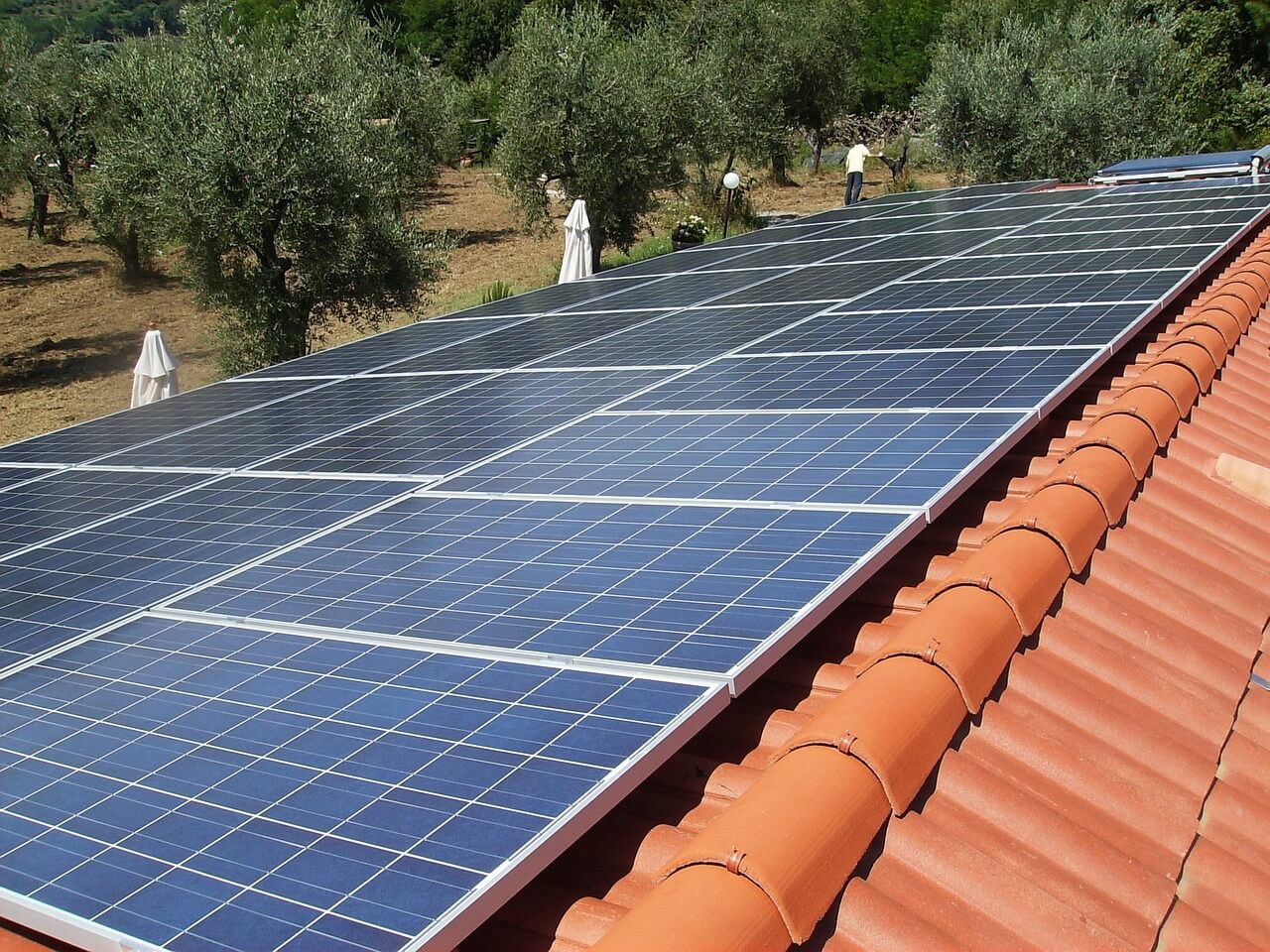
In January, national passenger car producers' new energy wholesale estimates reached 900,000 units, up 1% YoY.
Feb 06, 2026 19:40