

This week, the rare earth market showed an overall weak trend. With ample upstream supply and still weak downstream demand, the growth in magnet material market orders did not meet expectations, leading to low production enthusiasm among enterprises and a decrease in market transaction activity. Additionally, industry insiders forecast that by the end of December, mineral supplies from Myanmar might resume circulation, potentially leading to a large influx of raw materials into the domestic market. Therefore, SMM expects that rare earth prices may continue to show a weak trend in the short term.
Rare earth prices may continue to show a weak trend in the short term
This week, the rare earth market showed an overall weak trend.
Data Source Statement: Except for publicly available information, all other data are processed by SMM based on publicly available information, market communication, and relying on SMM's internal database model. They are for reference only and do not constitute decision-making recommendations.
For any inquiries or for more information, please contact: lemonzhao@smm.cn
For more information on how to access our research reports, please contact:service.en@smm.cn
Related News
Aug 28, 2026 18:09
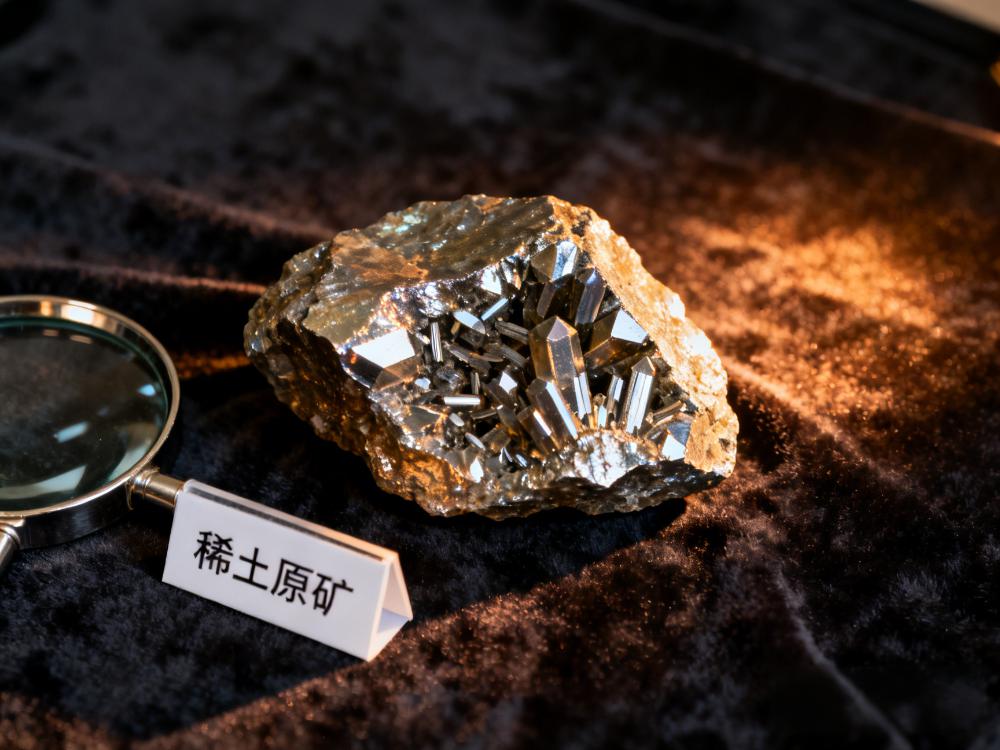
【SMM Analysis】Pr-Nd Alloy Prices See Intra-Week Rally and Pullback, Ending Flat at 880,000 Yuan/mt
Read More
【SMM Analysis】Pr-Nd Alloy Prices See Intra-Week Rally and Pullback, Ending Flat at 880,000 Yuan/mt
Aug 28, 2026 18:09
Aug 28, 2026 15:20
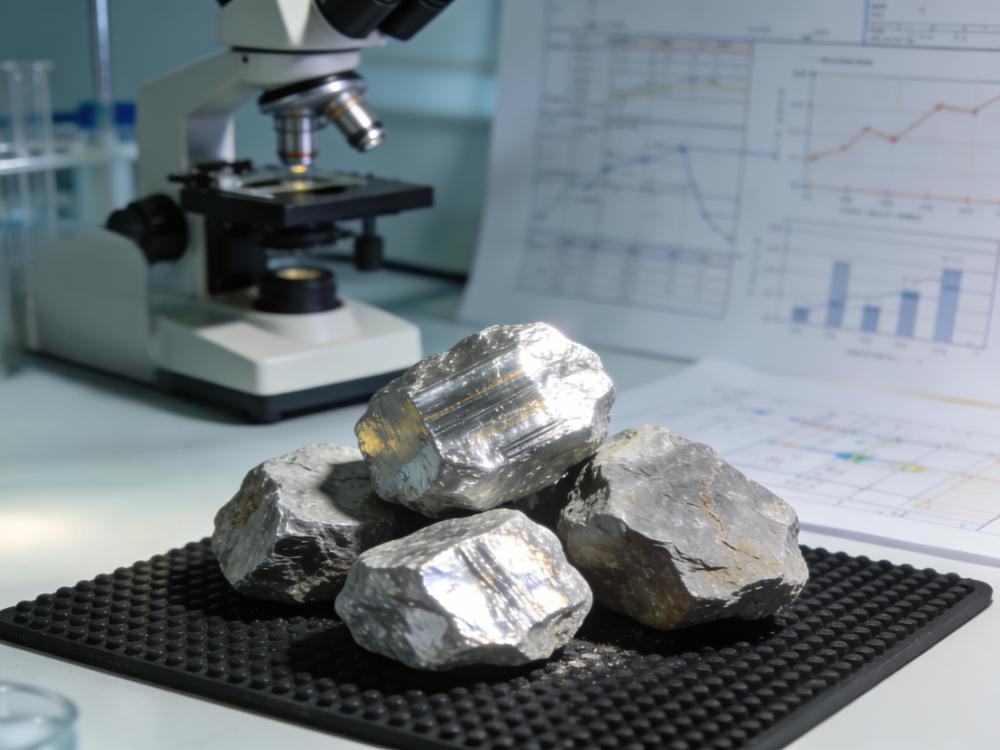
Lynas Plans Global Rare Earth Supply Chain Expansion, Seeks New Agreements Amid Western Diversification Efforts
Read More
Lynas Plans Global Rare Earth Supply Chain Expansion, Seeks New Agreements Amid Western Diversification Efforts
[SMM Rare Earth Bulletin] Australia’s Lynas Rare Earths said on August 26 that it plans to further expand the global rare earth supply chain. Interim CEO Pol Le Roux disclosed that the company is in talks with developers of multiple ionic adsorption rare earth ore projects worldwide to secure additional raw material supply. He expects to announce new supply agreements in the near term, but did not specify whether they involve purchasing raw materials or acquiring ionic clay businesses. Meanwhile, Lynas is in early-stage talks with multiple parties in the US on supporting the development of the magnet manufacturing supply chain. This move comes as Western countries accelerate the build-out of rare earth supply chains outside China. Previously released results for FY2026 showed full-year net profit after tax reached A$222.4 million, up more than 26 times YoY.
Aug 28, 2026 15:20

Aug 28, 2026 15:11
Fujian Issues Rare Earth Exploration Licenses, Marking Progress in Longyan's Mineral Development
Read More
Fujian Issues Rare Earth Exploration Licenses, Marking Progress in Longyan's Mineral Development
[SMM Rare Earth Bulletin] Recently, the Ministry of Natural Resources issued exploration licenses for two rare earth ore areas—Xiaochenkeng in Xinluo District, Longyan City, and Dapingli in Wuping County. This marks the first time in nearly 10 years that Fujian Province has transferred rare earth prospecting rights through an agreement-based approach, signaling substantive progress in the exploration, development, and utilization of rare earth ore in Longyan City, and providing mineral resource assurance for the city’s rare earth advanced processing and application industry. Centered on the development needs of the rare earth industry, the Longyan Municipal Bureau of Natural Resources proactively coordinated with the Ministry of Natural Resources, the Fujian Provincial Department of Natural Resources, and China Rare Earth Group, scientifically delineated rare earth exploration blocks, and steadily advanced the application work for prospecting rights. At present, the application work for prospecting rights in four rare earth ore areas—Zhongfang rare earth periphery in Changting County, Hexi in Yongding District, Zhongdu in Shanghang County, and Pengkou in Liancheng County—is being advanced in an orderly manner. Next, Longyan City will continue to promote the exploration, development, and utilization of rare earth ore, effectively transforming resource advantages into industrial and economic advantages.
Aug 28, 2026 15:11
Related News
【SMM Analysis】Pr-Nd Alloy Prices See Intra-Week Rally and Pullback, Ending Flat at 880,000 Yuan/mt
Aug 28, 2026 18:09
Lynas Plans Global Rare Earth Supply Chain Expansion, Seeks New Agreements Amid Western Diversification Efforts
Aug 28, 2026 15:20
Fujian Issues Rare Earth Exploration Licenses, Marking Progress in Longyan's Mineral Development
Aug 28, 2026 15:11
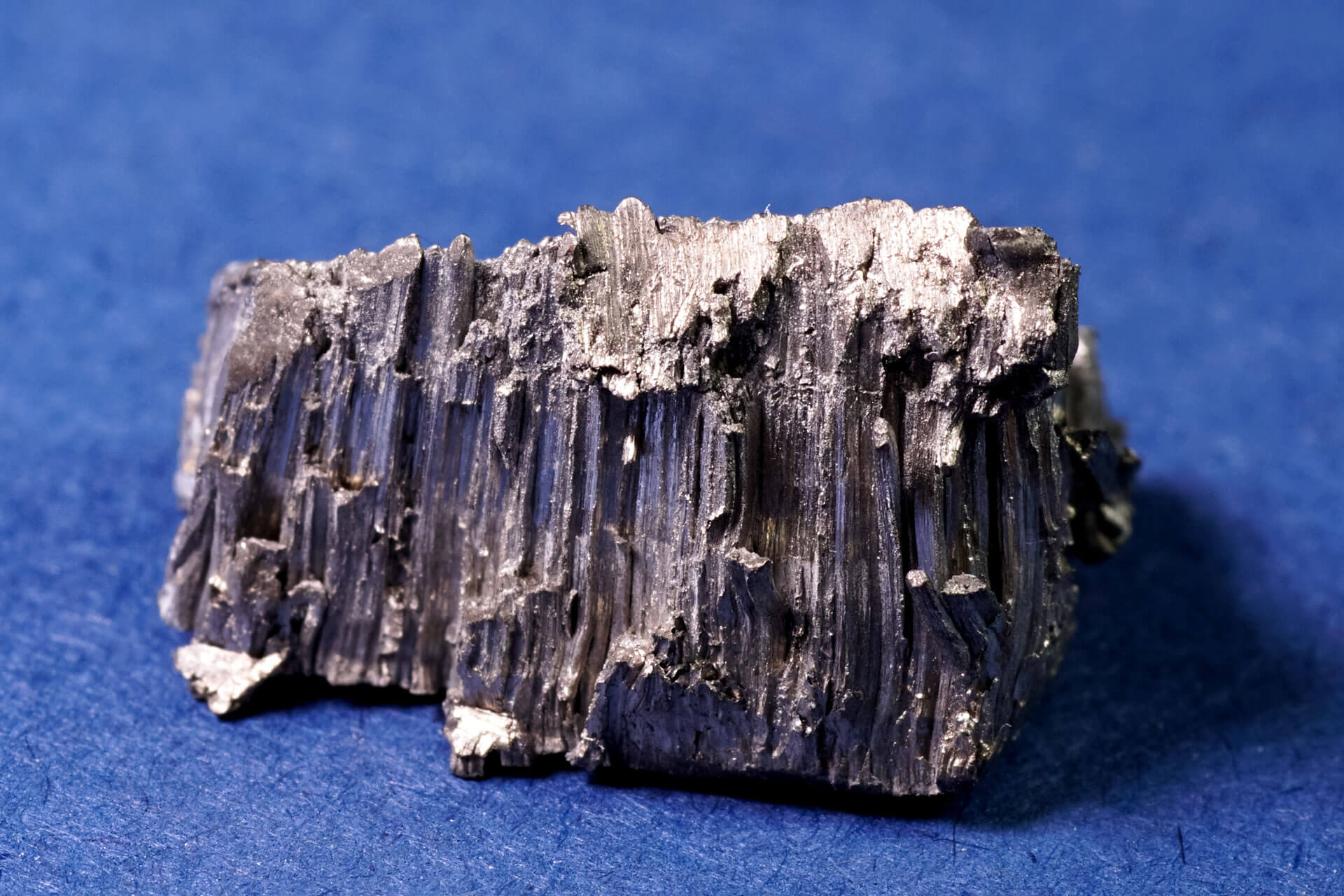
China's NdFeB Blank Production Drops in August, Expected to Peak in September
Aug 28, 2026 14:50