Dinamika Harga Solar
Harga solar adalah elemen penting yang membentuk masa depan industri transportasi. Sebagai ahli di bidang ini, Anda menyadari bahwa harga solar tidak statis; harga tersebut berfluktuasi karena berbagai faktor, memengaruhi biaya transportasi dan selanjutnya berdampak pada logistik dan rantai pasokan. Memahami dinamika ini sangat penting untuk membuat keputusan yang tepat di sektor transportasi.
Faktor-faktor yang Memengaruhi Harga Solar
Beberapa faktor berkontribusi pada fluktuasi harga solar. Ini termasuk harga minyak mentah global, peristiwa geopolitik, dinamika penawaran dan permintaan, serta kebijakan pemerintah. Harga minyak mentah mungkin merupakan faktor yang paling signifikan, karena solar adalah turunan dari minyak mentah. Ketegangan geopolitik dapat mengganggu rantai pasokan, menyebabkan lonjakan harga. Selain itu, perubahan dalam peraturan atau pajak pemerintah dapat secara langsung memengaruhi biaya solar.
Dampak Fluktuasi Harga Solar pada Biaya Transportasi
Ketika harga solar naik, biaya transportasi meningkat secara proporsional. Ini memengaruhi tidak hanya profitabilitas perusahaan transportasi tetapi juga biaya barang yang diangkut. Perusahaan mungkin perlu menyesuaikan strategi penetapan harga mereka atau mencari rute yang lebih efisien untuk mengurangi kenaikan ini. Sebaliknya, ketika harga solar turun, biaya transportasi menurun, memberikan kesempatan bagi perusahaan untuk menurunkan tarif mereka atau meningkatkan margin mereka.
Efek Riak pada Logistik dan Rantai Pasokan
Dampak harga solar meluas melampaui biaya transportasi langsung; ini memengaruhi seluruh ekosistem logistik dan rantai pasokan. Sebagai profesional di bidang ini, Anda menyadari bahwa setiap perubahan harga solar dapat memicu serangkaian penyesuaian di seluruh rantai pasokan.
Penyesuaian dalam Tarif Angkutan dan Kontrak
Tarif angkutan sering terkait erat dengan harga solar melalui biaya tambahan bahan bakar atau klausul kontrak yang memungkinkan penyesuaian berdasarkan variasi biaya bahan bakar. Ketika harga solar naik, tarif angkutan cenderung meningkat juga untuk menutupi biaya tambahan. Perusahaan transportasi harus menegosiasikan ulang kontrak dengan klien untuk mencerminkan perubahan ini, memastikan bahwa mereka mempertahankan profitabilitas sambil memberikan nilai.
Inovasi Teknologi sebagai Respons terhadap Perubahan Harga
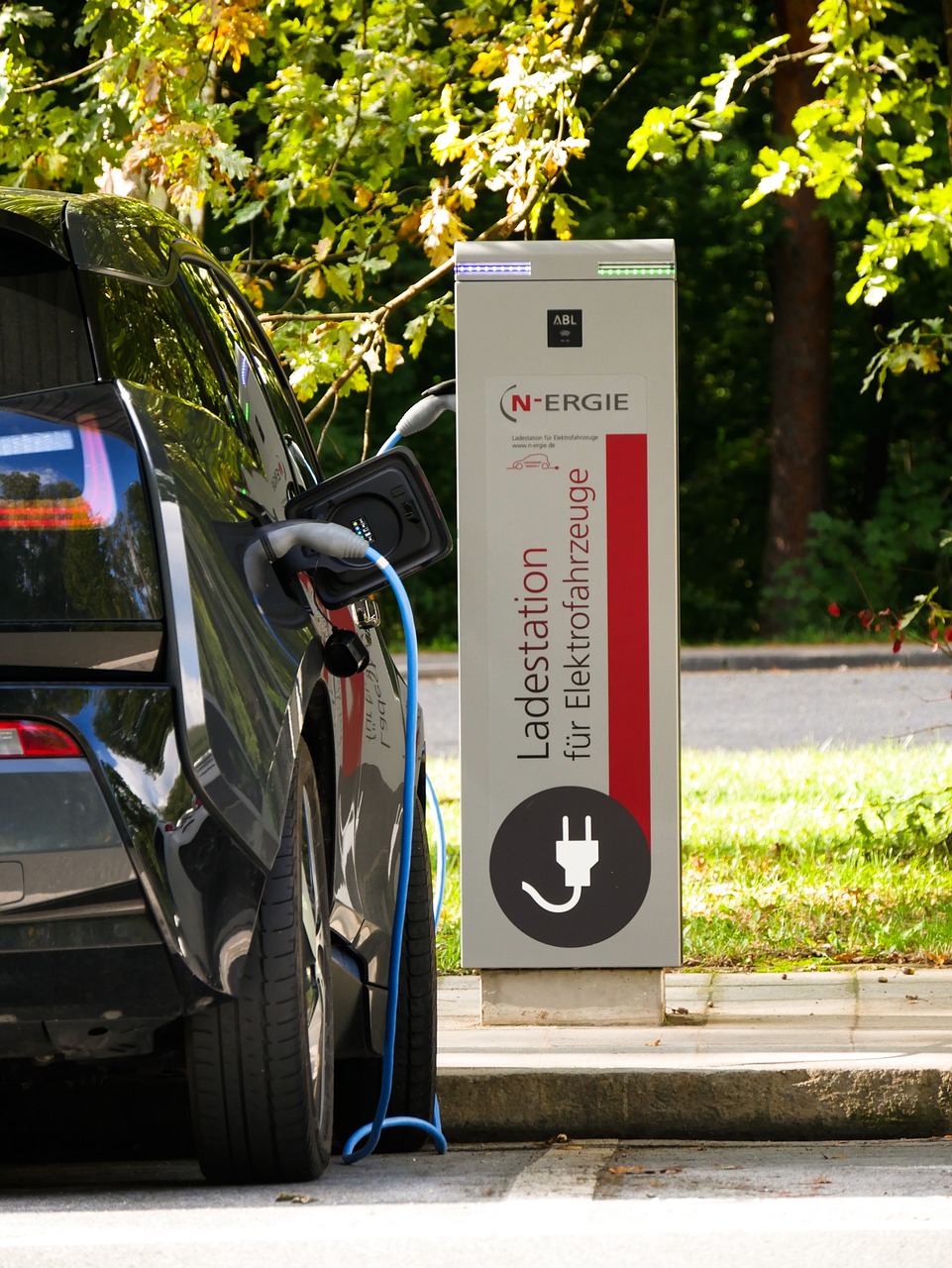
Sebagai respons terhadap fluktuasi harga solar, banyak perusahaan berinvestasi dalam inovasi teknologi untuk meningkatkan efisiensi bahan bakar dan mengurangi ketergantungan pada kendaraan bertenaga solar tradisional. Ini termasuk mengadopsi bahan bakar alternatif seperti gas alam atau listrik dan menerapkan perangkat lunak logistik canggih untuk optimasi rute. Dengan merangkul teknologi ini, perusahaan dapat mengelola biaya operasional dengan lebih baik dan meningkatkan keberlanjutan.
Bagi mereka yang mencari wawasan komprehensif tentang pasar logam yang sering berkorelasi dengan sektor energi seperti harga solar, Shanghai Metals Market (SMM) menawarkan sumber daya dan analitik data yang sangat berharga. SMM menyediakan intelijen pasar real-time tentang tren harga logam yang dapat sangat penting untuk pengambilan keputusan strategis di industri yang terkena dampak pergeseran harga energi. Untuk menjelajahi lebih lanjut tentang penawaran SMM, kunjungi Shanghai Metals Market.
Sebagai kesimpulan, meskipun harga solar tetap menjadi tantangan kompleks bagi industri transportasi, memahami dinamikanya memungkinkan Anda untuk menavigasi dampaknya secara efektif. Dengan tetap terinformasi tentang faktor-faktor yang memengaruhi dan memanfaatkan kemajuan teknologi, Anda dapat memposisikan bisnis Anda secara strategis dalam lanskap yang terus berkembang.
Adaptasi Strategis dalam Manajemen Armada
Untuk secara efektif menavigasi tantangan yang ditimbulkan oleh fluktuasi harga solar, manajer armada secara strategis mengadaptasi operasi mereka. Dengan mengoptimalkan perencanaan rute dan berinvestasi dalam solusi transportasi berkelanjutan, perusahaan dapat mengurangi dampak biaya bahan bakar yang fluktuatif.
Mengoptimalkan Perencanaan Rute dan Efisiensi Bahan Bakar
Optimasi rute adalah strategi penting untuk mengurangi konsumsi bahan bakar dan mengendalikan biaya. Dengan memanfaatkan perangkat lunak logistik canggih, perusahaan transportasi dapat mengidentifikasi rute yang paling efisien, meminimalkan jarak tempuh dan waktu idle. Ini tidak hanya menurunkan biaya bahan bakar tetapi juga meningkatkan waktu pengiriman dan kepuasan pelanggan. Selain itu, menerapkan program pelatihan pengemudi yang berfokus pada teknik mengemudi hemat bahan bakar dapat lebih meningkatkan efisiensi secara keseluruhan.
Investasi dalam Solusi Transportasi Berkelanjutan
Karena harga solar tetap tidak dapat diprediksi, banyak perusahaan berinvestasi dalam alternatif berkelanjutan untuk kendaraan bertenaga solar tradisional. Adopsi truk listrik atau hybrid menjadi semakin populer karena opsi ini menawarkan ketergantungan bahan bakar yang berkurang dan emisi yang lebih rendah. Selanjutnya, memasukkan bahan bakar alternatif seperti biodiesel atau gas alam dapat memberikan penghematan biaya tambahan dan manfaat lingkungan. Dengan mendiversifikasi sumber energi, perusahaan transportasi dapat lebih melindungi diri dari volatilitas harga solar sambil berkontribusi pada tujuan keberlanjutan.
Prospek Masa Depan Industri Transportasi di Tengah Volatilitas Harga Solar
Masa depan industri transportasi akan dibentuk oleh kemampuannya untuk beradaptasi dengan pergeseran harga solar yang berkelanjutan. Perusahaan harus mempersiapkan diri untuk implikasi jangka panjang pada struktur industri dan persaingan sambil menavigasi lanskap energi yang tidak pasti.
Implikasi Jangka Panjang untuk Struktur Industri dan Persaingan
Volatilitas harga solar dapat menyebabkan perubahan signifikan dalam struktur industri karena perusahaan berusaha untuk tetap kompetitif. Perusahaan yang lebih kecil mungkin menghadapi tekanan konsolidasi karena meningkatnya biaya operasional, yang mengarah pada peningkatan konsentrasi pasar di antara pemain yang lebih besar dengan sumber daya yang lebih besar. Selain itu, perusahaan yang berhasil menerapkan tekn
![Harga Magnesium Naik Tiga Sesi Berturut-turut! Sisi Biaya Tetap "Membara" Sementara Sisi Permintaan Kesulitan Mengambil Alih [Komentar SMM]](https://imgqn.smm.cn/usercenter/EutUV20251217171724.jpeg)