Shanghai (Gasgoo)- On December 5, Shenyang Jinbei Automotive Company Limited (Jinbei) and Geely's Farizon New Energy Commercial Vehicle Group (Farizon Auto) held a conference, where both parties announced the official rollout of their first collaborative new energy vehicles (NEVs): the Jiyun E6 and the Jiyun E9, according to a post on Geely's WeChat account.
Geely said it plans to introduce a methanol-hydrogen electric vehicle model tailored for Shenyang, the capital of Liaoning Province, by 2025. Currently, the first methanol refueling station in the city has been renovated, with plans to expand to over 40 stations by 2026.
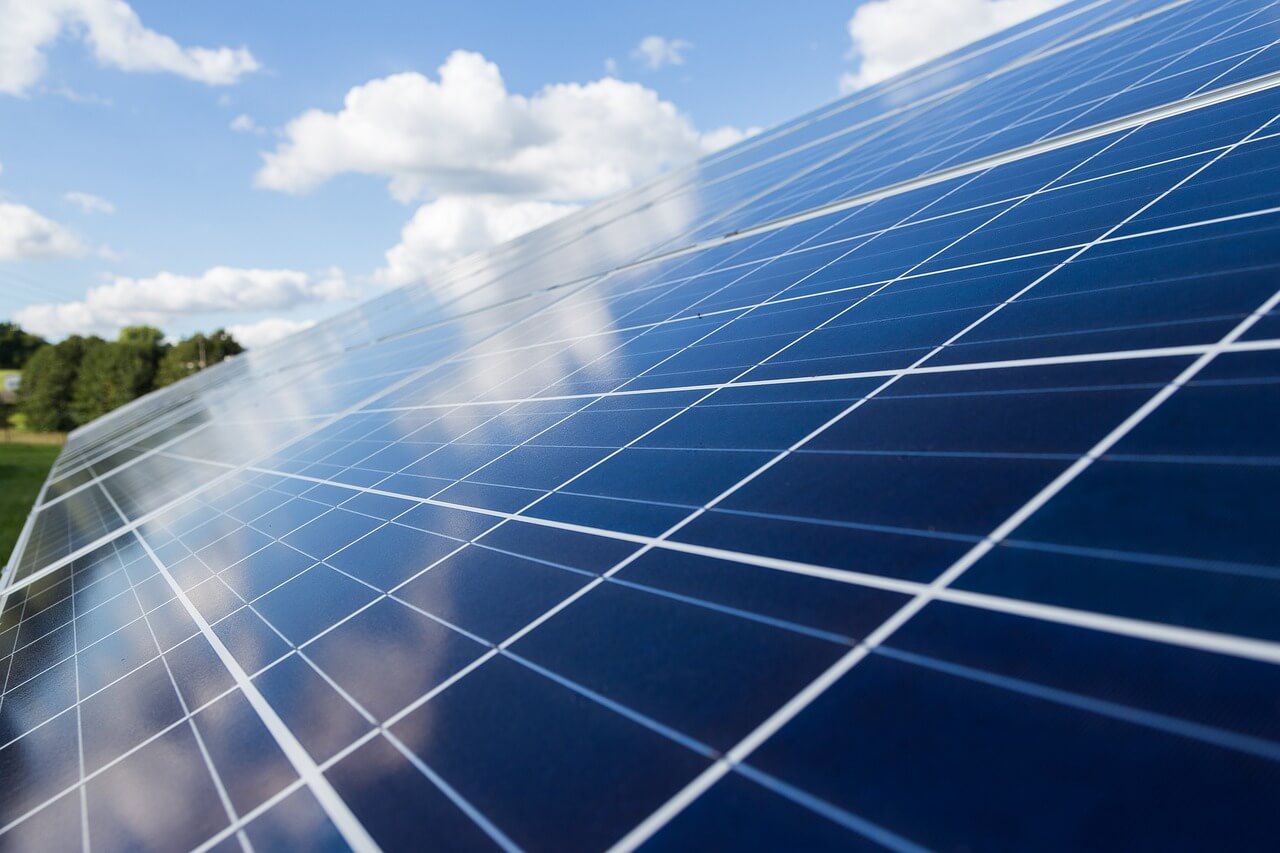
Methanol, globally recognized as a clean, renewable energy source, can store and utilize intermittent and unstable power generated from wind and solar energy. In addition, methanol is naturally a liquid, making it easy to be stored and transported. The methanol-hydrogen electric technology, powered by methanol, effectively addresses the range degradation of pure electric vehicles in extreme cold climates, making it the optimal solution for new energy vehicles in North China.
At the conference, Eric Li, Chairman of Geely Holding, stated that Liaoning Province is building a modern industrial system with distinctive advantages, supporting the comprehensive revitalization of the region through high-quality new industrialization. The collaboration between Jinbei and Farizon Auto represents a significant achievement in their strategic partnership. With Farizon Auto's technology integration, Jinbei's products and brand are expected to experience renewed vitality. Both parties plan to seize development opportunities to create a complete green methanol industry ecosystem in the province.
Geely Holding said that as a global leader in the methanol ecosystem, it has been working in the methanol field for 20 years. Guided by the philosophy of solving the world's energy and carbon neutrality challenges with green methanol, Geely Holding has progressed from small-scale pilot operations to large-scale deployment of methanol-hydrogen electric vehicles. The company has already deployed nearly 40,000 units of such vehicles, accumulating over 20 billion kilometers in total operation distance.
Commercial vehicles, despite accounting for only 12% of the total vehicle population in China, contribute over 56% of automotive carbon emissions, making their transition to new energy vehicles a crucial step in decarbonizing the transportation sector.
Zhou Jianqun, CEO of Farizon Auto, emphasized that methanol-hydrogen electric technology uses methanol as a liquid hydrogen fuel to replace traditional fuel cell systems for power generation. This solution has been fully validated in terms of environmental friendliness, economic viability, applicability, and reliability, making it the optimal solution for the electrification of commercial vehicles in China's northern regions. Leveraging Geely Holding's technological expertise in methanol, Farizon Auto is exploring hybrid solutions combining methanol with electric drive, creating a distinctive strategic technological pathway for methanol-hydrogen electric vehicles. This has led to the development of an integrated solution, combining green methanol production, methanol refueling, and methanol-electric vehicles, offering a comprehensive new energy solution for commercial vehicles.
Geely Holding said, in December last year, 300 Farizon methanol-hydrogen electric city buses were delivered to Daqing and Tianjin cities, saving 1.39 yuan per kilometer compared to fuel-powered buses. Over an 8-year lifecycle, each bus can save 666,000 yuan. Recently, Farizon Auto secured another major order for 851 methanol-hydrogen electric buses in those two cities. At the upcoming 9th Asian Winter Games Harbin 2025, Geely Holding is set to provide a fleet of methanol-hydrogen service vehicles, marking the first large-scale deployment of methanol-hydrogen vehicles to serve an international sports event.
![[Solid-State Battery: ProLogium Technology Mass-Produces High-Energy-Density All-Solid-State Battery Gen3.5 Reaching 381 Wh/kg and 903 Wh/L]](https://imgqn.smm.cn/usercenter/nVnLo20251217171728.jpg)