

In the field of electric vehicles (EVs), there is often indecision between the two major technological routes of ternary lithium and lithium iron phosphate (LFP). However, in the electric two-wheeler industry, which also focuses on low-carbon travel, both users and automakers seem to prefer using LMO batteries despite facing multiple technological choices. This preference is mainly due to the following three advantages:
Firstly, from the perspective of crystal structure, spinel-type LMO has higher stability compared to the layered oxide of ternary lithium. LMO belongs to the cubic crystal system and has a three-dimensional tunnel structure, allowing lithium ions to reversibly intercalate and de-intercalate without causing lattice collapse. This results in excellent charge/discharge rate performance and stability.
Secondly, in terms of thermal stability, although ternary lithium batteries have the highest energy density among mainstream lithium batteries, they are extremely sensitive to temperature changes and may decompose at around 200°C, leading to violent reactions or even explosions. In contrast, LMO's synthesis temperature is at least 700°C, and its thermal decomposition temperature is much higher than that of ternary cathode materials, demonstrating superior safety.
Lastly, in terms of cost, LMO raw materials are abundant and significantly cheaper than other products. Additionally, due to the higher voltage of LMO batteries, fewer battery cells are needed, resulting in a volume advantage. Therefore, LMO not only exhibits excellent performance but also attracts attention from the industry and consumers due to its safety and economic benefits.
Why do most electric two-wheelers use LMO?
In the field of electric vehicles (EVs), there is often indecision between the two major technological routes of ternary lithium and lithium iron phosphate (LFP). However, in the electric two-wheeler industry, which also focuses on low-carbon travel, both users and automakers seem to prefer using LMO batteries despite facing multiple technological choices......
Data Source Statement: Except for publicly available information, all other data are processed by SMM based on publicly available information, market communication, and relying on SMM's internal database model. They are for reference only and do not constitute decision-making recommendations.
For any inquiries or for more information, please contact: lemonzhao@smm.cn
For more information on how to access our research reports, please contact:service.en@smm.cn
Related News
3 mins ago
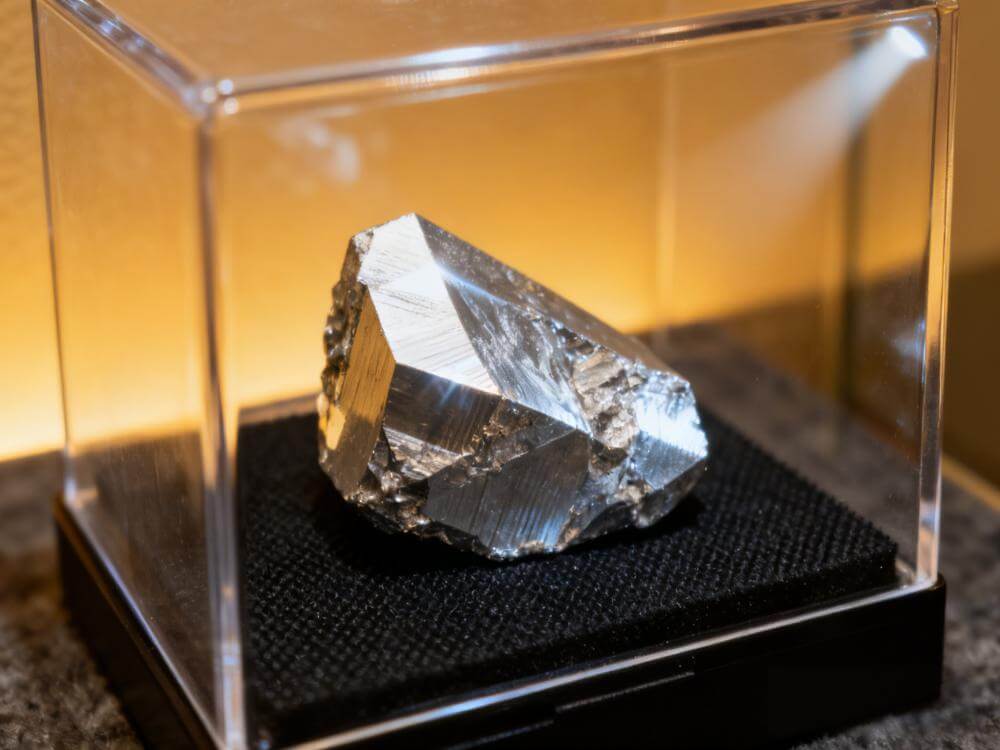
China's Sodium Pyroantimonate Output to Dip 4% in June 2026, Continuing Downward Trend
Read More
China's Sodium Pyroantimonate Output to Dip 4% in June 2026, Continuing Downward Trend
According to SMM estimates, China's Grade 1 sodium pyroantimonate production in June 2026 will edge down slightly from the previous month, by approximately 4%, marking a second consecutive monthly decline following the modest dip seen in May.
3 mins ago
5 mins ago
China's Refined Bismuth Output in June 2026 to Remain Steady Amid Tight Raw Material Supply
Read More
China's Refined Bismuth Output in June 2026 to Remain Steady Amid Tight Raw Material Supply
According to SMM estimates, China's refined bismuth production in June 2026 will show little change compared with May, edging up by less than 1% month-on-month. Many market participants expect that the tightness in raw material supply for domestic bismuth producers is unlikely to ease significantly as summer sets in, and production will likely continue to be constrained. Refined bismuth output is expected to remain largely steady, though a decline cannot be ruled out.
5 mins ago
7 mins ago
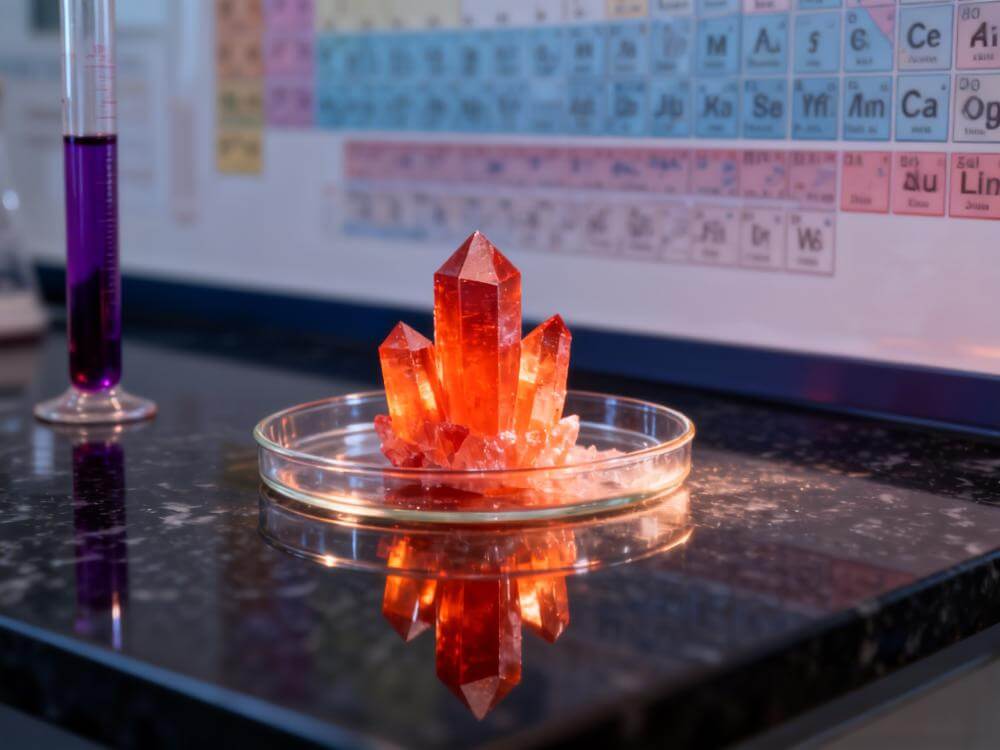
China's Antimony Ingot Production Edges Up 2% in June 2026, Trending Stable
Read More
China's Antimony Ingot Production Edges Up 2% in June 2026, Trending Stable
According to SMM estimates, China's antimony ingot production (including antimony ingots, crude antimony on a converted basis, cathode antimony, etc.) in June 2026 edged up by approximately 2% month-on-month, showing a notably stable trend overall.
7 mins ago
Related News
China's Sodium Pyroantimonate Output to Dip 4% in June 2026, Continuing Downward Trend
Jul 02, 2026 09:23
China's Refined Bismuth Output in June 2026 to Remain Steady Amid Tight Raw Material Supply
Jul 02, 2026 09:21
China's Antimony Ingot Production Edges Up 2% in June 2026, Trending Stable
Jul 02, 2026 09:18
Xiamen Tungsten’s Subsidiary Luoyang Yulu Mining Fully Suspends Production
Jul 01, 2026 16:31