How Do Crude Oil Prices Affect Global Inflation?
The fluctuation of crude oil prices plays a role in shaping inflation patterns according to experts in the field you are aware of the fact that the variations in these prices can have broad implications for economies across the globe. When crude oil prices go up the expenses related to producing and transporting goods also increase which results in elevated consumer prices. This occurrence significantly fuels inflation impacting a wide range of products including food and manufactured goods.
The Relationship Between Crude Oil Prices and Inflation Rates
The connection between the prices of oil and inflation rates is intricate and multifaceted. When the prices of oil rise significantly it usually means that businesses have to cope with costs, which are usually passed down to consumers through increased prices for products and services. As a result of this scenario unfolding, there tends to be an uptick in the price levels across sectors which can contribute to an inflationary environment. Conversely, if oil prices experience a decline then the cost burdens facing businesses tend to ease up having the effect of bringing down inflation rates.
Key Factors Driving Crude Oil Price Volatility
Various elements influence the fluctuation in crude oil prices such as conflicts and disturbances in the supply chain alongside shifts in demand contribute to this phenomenon. For example, individuals aforementioned unrest within oil-producing areas could result in limited supply and spikes in prices. Moreover, the economic expansion or downturn in economies such as China and the United States can have an impact on the global demand for oil and its pricing.
Why Are Emerging Economies More Vulnerable to Oil Price Changes?
Developing countries frequently face the impact of fluctuating oil prices because of their setups and dependence on imported energy sources.
The Economic Structure of Emerging Markets
In developing countries, the economies are often focused on industries, like manufacturing and agriculture making them vulnerable to fluctuations in energy prices due to their reliance on fuel for transportation and production activities.
Impact on Currency Valuation and Trade Balances
Increasing prices of oil can influence the value of currencies and trade balances, in developing economies well. Elevated expenses on oil imports could result in trade imbalances which might weaken currencies. A depreciating currency may worsen inflation by raising the prices of imported products and services. This sets off a pattern where higher crude oil prices contribute to uncertainty.
What Measures Can Be Taken to Mitigate the Impact of Rising Oil Prices?
Dealing with the difficulties brought about by the changes in crude oil prices can involve approaches.
Diversification of Energy Sources
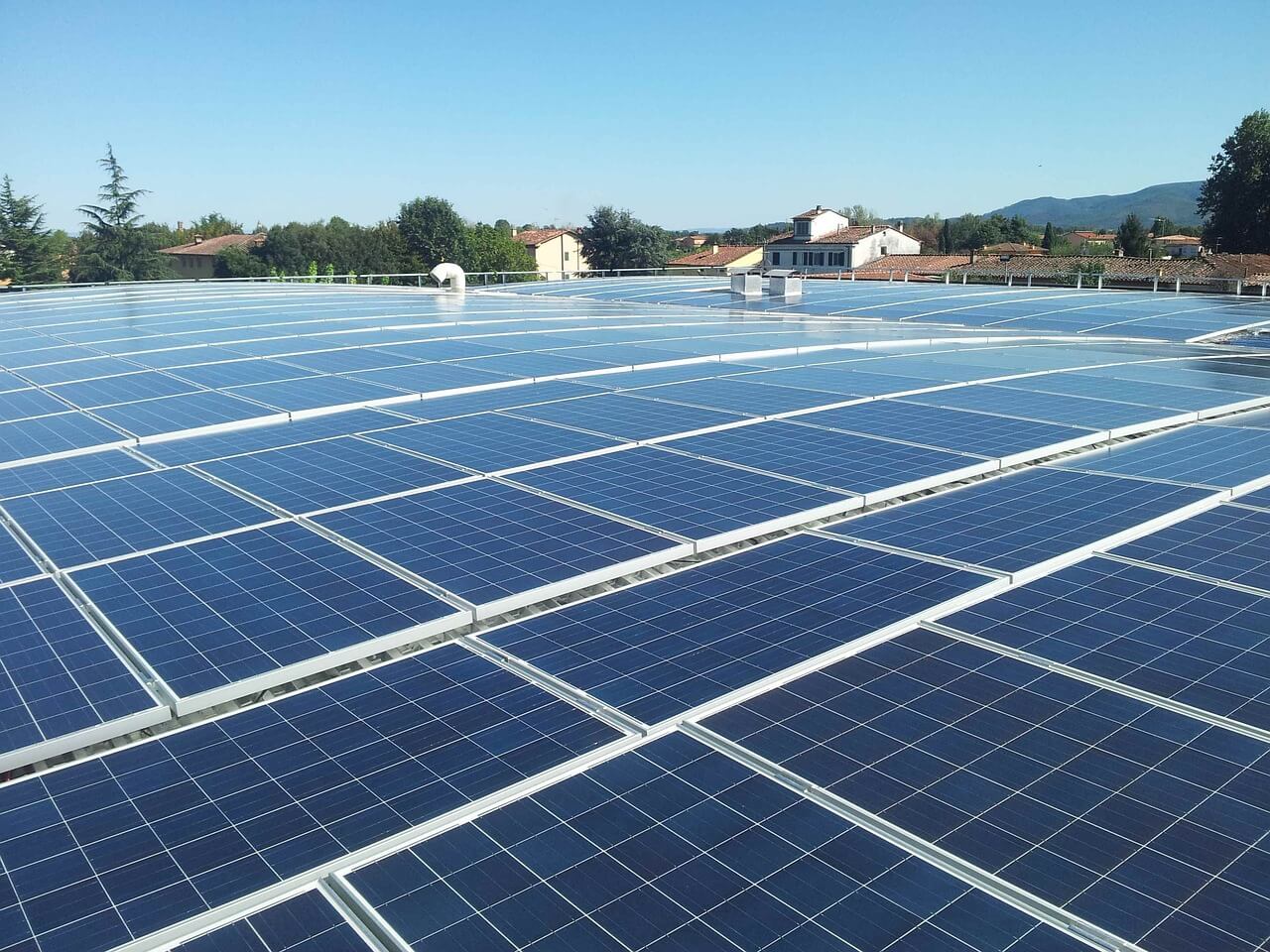
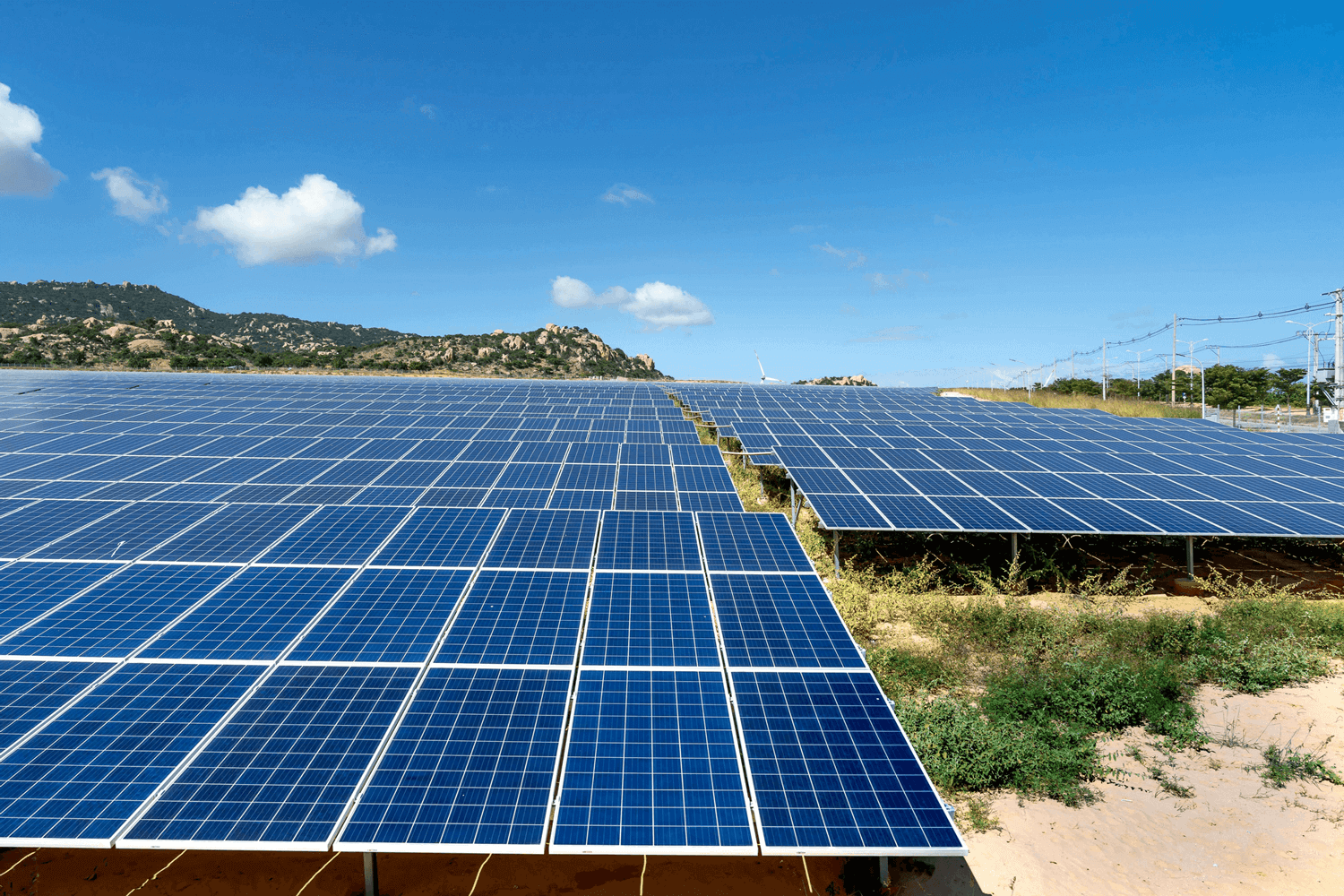
An impactful strategy involves expanding the range of energy sources, beyond fossil fuels such as oil to include investments in renewable energy options like solar and wind power technologies. That way nations can lessen their reliance on imported oil. Protect themselves from fluctuations in prices. This shift does not aid in stabilizing economies. Also plays a constructive role in supporting environmental sustainability.
Strategic Petroleum Reserves as a Buffer
An alternative method is to use petroleum reserves (SPRs) to counter increases in crude oil prices providing countries with the ability to release stored resources during times of high demand or supply interruptions, which can help maintain stability, in local markets until regular conditions are restored temporarily.
Individuals seeking, in-depth knowledge about metal commodities beyond the impact of oil on trends can benefit from Shanghai Metals Market (SMM). By leveraging the data analysis platform at metal.com SMM delivers valuable insights into the global market conditions of different metals equipping businesses with crucial information to make well-informed decisions in today's dynamic economic environment.
In summary, there isn't a one-size-fits-all solution to address the effects of changing crude oil prices on the world's economies. It is crucial to diversify energy sources and strategically manage reserves to ensure long-term stability in the face of uncertainties that lie ahead.
How Does the Shanghai Metals Market (SMM) Provide Insights into Commodity Trends?
The Shanghai Metals Market (SMM) serves as a hub for experts looking to navigate the intricacies of commodity markets effectively. With its range of data and insights on metals such as aluminum, copper, zinc and lead SMM is a tool for companies looking to make well-informed decisions in response, to current market trends.
Overview of Shanghai Metals Market (SMM)
SMM stands out due to its extensive network and deep industry insights. It provides up-to-date information on pricing trends, supply-demand dynamics, and market forecasts. Subscribers gain access to detailed reports that cover everything from production statistics to import-export data. This wealth of information allows stakeholders to anticipate market shifts and adjust their strategies accordingly.
Furthermore, the dedication of SMM to precision and dependability establishes it as an authority in the field. Through the utilization of data analysis techniques and a group of experts, SMM provides practical insights that can improve decision-making procedures. For individuals aiming to maintain an edge in the realm of metal trading paying a visit to metal.com is a move.
Utilizing SMM Data for Strategic Decision Making
Integrating data from SMM into your planning can greatly boost your capacity to adapt to shifts in the market landscape effectively. By examining the insights and predictions offered by SMM organizations can refine their procurement tactics enhance risk management practices and seize avenues for growth. This proactive strategy does not enhance competitiveness. Also secures longevity in unpredictable market conditions.
What Are the Long-Term Implications of Persistent High Oil Prices?
High and consistent oil prices have impacts that reach beyond economic challenges in the short term.
Structural Changes in Global Supply Chains
Rising oil prices frequently trigger adjustments in the structure of supply networks. Businesses might reconsider their shipping approaches as costs increase by moving manufacturing to consumer markets or adopting technologies, for better efficiency. Such changes have the potential to reshape trading routes and influence relationships within the economy.
Increased and stable oil prices could motivate businesses to innovate by creating energy solutions or enhancing energy efficiency This change might decrease dependence, on conventional oil sources in the long run leading to a stronger global economy that is less vulnerable to fluctuations, in oil prices.
Inflationary Pressures and Monetary Policy Adjustments
Continuous high oil prices play a role in driving up prices for goods and services in industries leading to pressures directly impacting the economy. Central banks might have to make changes in their policies as a response. Like increasing interest rates to control the rise in inflation levels. While such actions may put a damper ?on growth they are essential for keeping prices stable over time.
Moreover, governments could introduce measures to address the challenges posed by increasing oil prices for both individuals and companies. These measures might involve supporting energy solutions or encouraging the use of energy sources thereby fostering a greener and more stable economy in the long run.
Ultimately, the relationship between the prices of oil and global economic conditions highlights the significance of planning and flexibility in the face of persistent uncertainties. Harness resources such as Shanghai Metals Market (found at metal.com) to help companies effectively navigate these obstacles and position themselves for triumph in a changing environment.