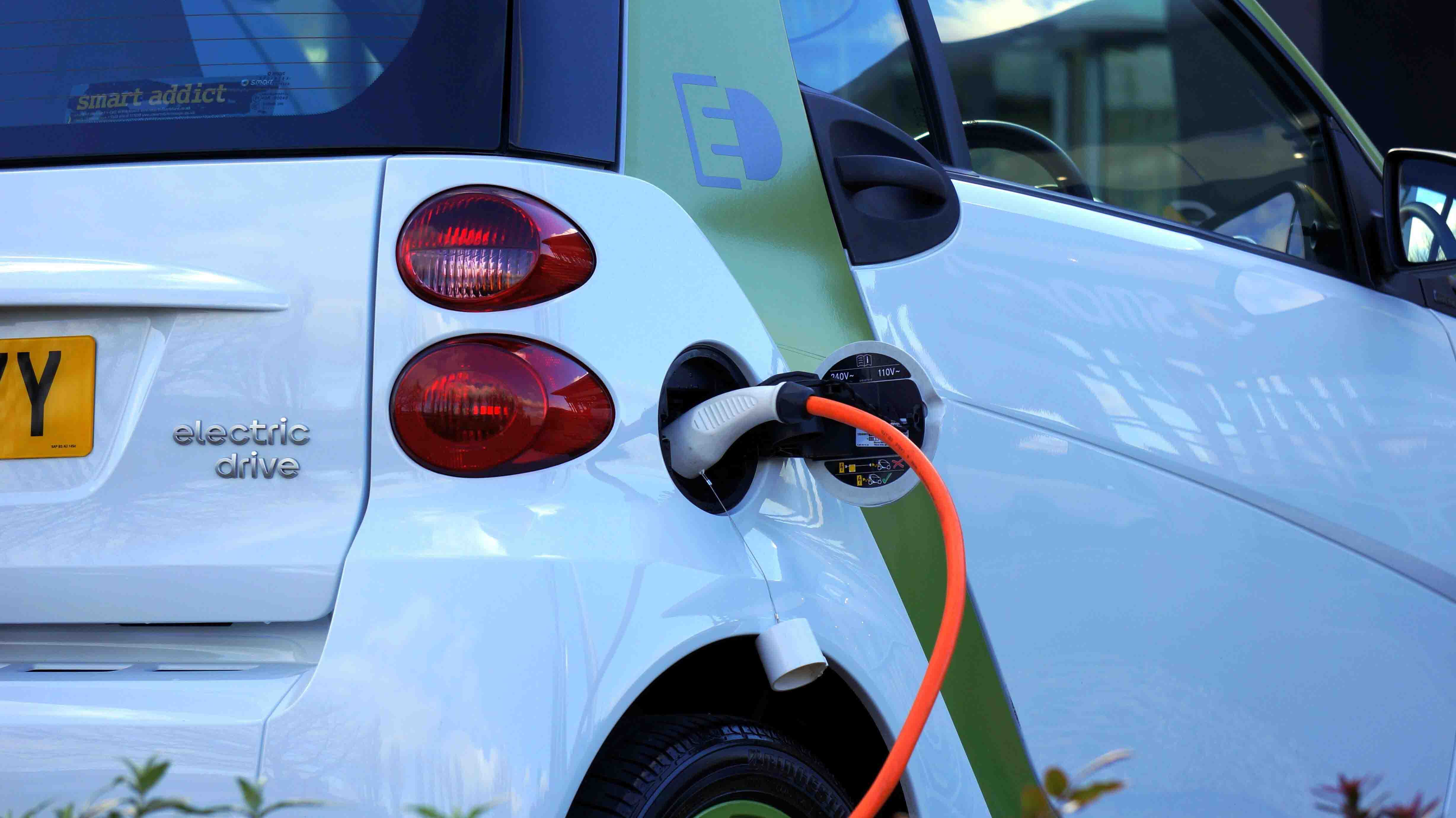
Sunwoda EVB inks MoU with STMicroelectronics in automotive electrification, intelligence fields

Published: Nov 13, 2024 17:28
Source: gasgoo
Sunwoda EVB, through its automotive electronics division Sungiant, recently signed a Memorandum of Understanding (MoU) with STMicroelectronics to pursue strategic cooperation on automotive electrifica...

Beijing (Gasgoo)- Sunwoda EVB, through its automotive electronics division Sungiant, recently signed a Memorandum of Understanding (MoU) with STMicroelectronics to pursue strategic cooperation on automotive electrification and intelligent solutions, with a particular focus on the Chinese and European markets.

This collaboration will leverage STMicroelectronics' comprehensive automotive semiconductor lineup and proprietary manufacturing technology to support advanced battery management systems (BMS), body control modules (BCM), and additional applications.

Under the MoU, Sungiant and STMicroelectronics will focus on both short- and long-term projects, co-developing BMS, vehicle dynamic control (VDC) systems, and zone control units (ZCU) for new energy vehicles (NEVs) globally.

Additionally, the companies plan to establish a joint laboratory to promote innovation and streamline R&D process. This lab will focus on chip design, testing, validation, and materials research, with the goal of creating new technologies, prototypes, and optimized solutions for specific applications. The collaboration is expected to enhance Sungiant’s product capabilities and global competitiveness in the fast-evolving NEV market.

Data Source Statement: Except for publicly available information, all other data are processed by SMM based on publicly available information, market communication, and relying on SMM‘s internal database model. They are for reference only and do not constitute decision-making recommendations.

For any inquiries or to learn more information, please contact: lemonzhao@smm.cn
For more information on how to access our research reports, please contact:service.en@smm.cn
Related News
Waymo and Uber to Deploy 1,200 Robotaxis in Middle East by 2027
23 hours ago
Waymo and Uber to Deploy 1,200 Robotaxis in Middle East by 2027
Read More
Waymo and Uber to Deploy 1,200 Robotaxis in Middle East by 2027
Waymo and Uber (NYSE: UBER) announced an upgraded strategic partnership: The two parties plan to deploy at least 1,200 Robotaxi units in the Middle East by 2027, covering three major markets—Abu Dhabi, Dubai, and Riyadh. According to the plan, all 1,200 Robotaxi units will be integrated into the Uber App to provide public transportation services.
23 hours ago
Tesla VP Says Company Will Engage in Assisted Autonomous Driving in China, Timeline Unclear
23 hours ago
Tesla VP Says Company Will Engage in Assisted Autonomous Driving in China, Timeline Unclear
Read More
Tesla VP Says Company Will Engage in Assisted Autonomous Driving in China, Timeline Unclear
Tesla Vice President Tao Lin stated today that Tesla would actively participate in related work on assisted autonomous driving in the Chinese market, but could not yet provide a clear timeline for implementation. Elon Musk previously indicated that Tesla's Full Self-Driving (FSD) would be deployed in Europe this February, with the Chinese market to follow.
23 hours ago
World's First Mass-Produced Sodium-Ion Battery Passenger Vehicle Officially Unveiled
Feb 5, 2026 17:52
World's First Mass-Produced Sodium-Ion Battery Passenger Vehicle Officially Unveiled
Read More
World's First Mass-Produced Sodium-Ion Battery Passenger Vehicle Officially Unveiled
On February 5, Changan Automobile unveiled its global sodium-ion battery strategy, and the world's first mass-produced sodium-ion battery passenger vehicle was officially introduced. Test data shows that the vehicle equipped with CATL's sodium-ion battery delivers nearly three times the discharge power compared to conventional lithium iron phosphate vehicles with the same battery capacity under -30°C conditions. In extreme cold environments of -40°C, it maintains over 90% capacity retention, and it can still discharge stably even at the extreme low temperature of -50°C.
Feb 5, 2026 17:52