Industrial Applications and Demand for Lithium
Overview of Major Applications
This particular property of lithium resources is what has been driving its importance across industries. They are mainly used in rechargeable batteries as a power source for hundreds of electronic gadgets, including smartphones, laptops, and tablets. Moreover, lithium is a crucial component in the production of high-performance ceramic and glass materials, providing strength and thermal stability. It is also used in lubricating greases and alloys as the high-pressure property of solid lubricant contributes to automotive and aerospace applications requiring lightweight, high-performance materials.
Increasing Demand in the Electric Vehicle Sector
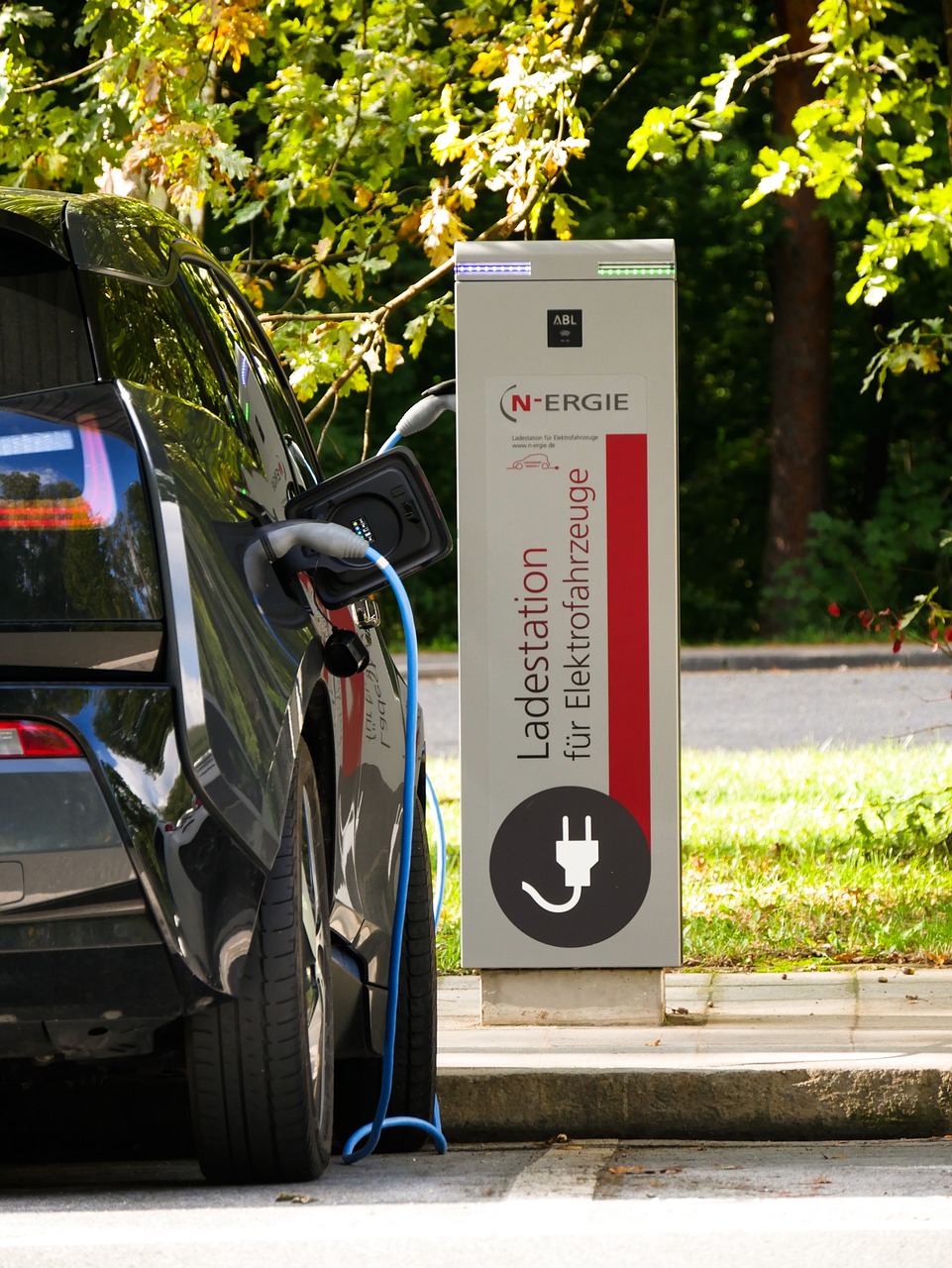
The EV market is the largest consumer of lithium due to the growing transition toward sustainable mobility solutions. With governments around the world tightening emissions standards, and consumers increasingly interested in greener options, EV adoption is on the rise. To drive these vehicles, lithium-ion batteries provide the core solutions for growing range and energy storage demands. Consequently, this increasing appetite for EVs is driving lithium resources and creating a significant level of competition in the landscape.
Technological Advancements Driving Demand
Progresses in the sector of battery technology and energy storage systems are also considered to play a significant role in creating an established image for lithium amongst future energy solutions. New developments, including solid-state batteries and fast-charging tech, are improving lithium efficiency and broadening the mineral's horizons beyond transport. Furthermore, the advancement of grid energy storage systems is offering further opportunities for lithium batteries to compete in new markets and increasing demand in various service sectors. As a result, this interaction of technology and lithium resource development and utilization is changing the game in industries.
Impact on Industry Competition
Key Industry Players and Market Shares
The global lithium resources market is dominated by major multinationals operating with significant regional supplier influence. However, the big players such as SQM, Albemarle, and Livent control large market share and are very actively exploring and producing. These firms use their economies of scale and degree concerning brand recognition and must keep handing over a competitive benefit in the marketplace. In the same vein, regional suppliers have their nuances — proximity to synthetics, or other localized production characteristics will enable them to meet particular market needs quite well.
Dominant Multinational Corporations
Multinational companies play an important role in determining the competitiveness of lithium resources. Thanks to their scale and technical know-how, they can build large lithium extraction and production plants. These companies are also involved in various aspects of global supply chain management, ensuring their lithium products reach disparate markets. The dominance makes it difficult for smaller players to compete on price and production capabilities.
Influential Regional Suppliers
Lithium is also a regional game — spot-on for areas with lithium resources such as Australia and South America. These suppliers can respond quickly to local market needs and create strong ties with customers, thus strengthening their competitive positioning. While smaller than multinationals, regional suppliers fulfill a vital role in responding to local demand and sustaining supply chain resilience.
Market Dynamics and Competitive Strategies
The lithium industry has experienced various market dynamics that impact the competitive landscape. Strategic partnerships and alliances are here to stay with companies entering into collaborations for shared resources, technology, and market access. Innovation by its nature involves collaboration, and such cooperation can both enhance the range of products they can offer and also reduce the time taken for innovations to reach the market. Additionally, to lead the way in improving companies are spending on new research and development strategies regarding lithium extraction and processing methods that produce more environmentally friendly results.
Strategic Partnerships and Alliances
Whether it was establishing new lithium deposits or creating different battery technologies, strategic partnerships between the players in the industry are paramount to each stakeholder reaching its respective goals. Such collaborations encourage innovation and help in effective resource allocation to individuals and those in need of them. Through their combined resources and talent, companies can stay relevant in changing marketplaces while responding to the new eco-situation of lithium.
Innovations and Technological Advancements
Innovative AI and other processing technology developments are receiving capital in the lithium industry that will change how lithium resources are extracted and processed. Emerging lithium extraction methods, like direct lithium extraction (DLE), are enabling greater efficiency and less environmental impact. Continually changing technology has an impact on competitive strategies because it benefits companies to strengthen their position in the market if applicable.
Price Fluctuations and Their Effects on Competition
Changing the competition in lithium resources with changes in its price. High current demand has led to higher prices for lithium which in turn encourages new investors to enter the scene, extracting lithium. Still, shifting global supply fundamentals — geopolitical disruptions, and output variations — cause fluctuations in the market. Such fluctuations demand adaptable pricing strategies from enterprises, along with a solid balance sheet to be able to weather any market shocks.
Growth Drivers in the Lithium Industry
Investments in Mining Projects
Another major driver of growth for the lithium industry is continuing investment being poured into mining projects. They're bringing exploration activities into new, unexplored territories — possibly even into unmined segments of the lithium-rich zone. All of this is underpinning a big umbrella of investment — private equity-driven but also driven by governments — to build new mines, and expand existing mines. With constant demand in additional industries for lithium resources this river of capital is necessary.
Government Policies and Regulations
Different governments around the world are working to change how the lithium industry will develop, therefore they play a key role in policies. Governments can convert lithium mining into a sustainable process with regulations that allow for the good long-term mining of lithium battery usage. With incentives to comply with certain guidelines that do concern environmental-friendliness, these companies are also likely to be more cautious and responsible in managing their materials, contributing overall growth of the industry. In addition to this, supportive frameworks can mean quicker approvals for mining projects, creating a more favorable supply backdrop.
Incentives for Sustainable Mining Practices
Encouraging sustainable mining practices has become an essential driver of expansion in the lithium sector. Such policies motivate firms to adopt eco-friendly practices behavior and minimize their ecological footprint without sacrificing optimal utilization. While they bolster corporate reputation, as stakeholders continue to seek sustainable practices — the adoption of such practices can improve the bottom line in the long run.
Environmental Regulations Impacting Growth
Tightening environmental regulations are hitting global lithium mining operations. Achieving a balance between extraction and conservation is vital for ensuring the continued health of the sector. By ensuring adherence to these new regulations sooner rather than later, companies protect their practices while gaining an edge over other businesses as well as making themselves more marketable to a sustainable consumer class and investor base.
Expansion in New Markets
As the demand for lithium resources around the world continues to grow, expansion into new markets is well underway. Corporations are looking for investment opportunities in countries with better conditions for mining and regulations. Geographical diversification will provide risk mitigation from supply chain disruptions and the ability to ensure steady access to lithium supplies for businesses. To sustain the industry from increasing competition, the search for new market opportunities is of utmost importance.
Shanghai Metals Market (SMM): A Key Player in the Industry
SMM's Role in the Global Metals Market
Since lithium resource is a kind of vital commodity, the Shanghai Metals Market (SMM) is an essential provider of global metals market information. SMM acts as a bridge between miners, producers, and end-users with its comprehensive coverage of market dynamics. SMM promotes transparency in the market by enabling the flow of information among all direct members and allowing participants to make decisions based on observable trends. The platform supports market efficiency and also improves the readiness of companies to anticipate future changes in supply and demand.
Data and Analytics Services Provided by SMM
SMMs data and analytics services that aid in decision-making on the lithium market These services encompass real-time pricing information, supply chain analyses, and comprehensive market reports that help stakeholders to consider global market causes. SMM captures global inventories, new production, and price changes of lithium through advanced analytical tools. Such granularity assists with strategic planning and investment decisions by allowing companies to best deal with competitive pressures and find areas of growth potential within the industry.
Influence of SMM's Market Insights on Industry Trends
SMM-generated intelligence has a significant impact on industry trends as it shapes market perception and drives the action of market movers. Knowing the supply-demand dynamics and price patterns gives an upper hand to companies for a perfect alignment of strategies and filters out innovation. Additionally, the fact that it tracks and provides accurate and timely reports on new technology developments related to lithium extraction and production means companies can stay one step ahead of their competition. With the provision of relevant and up-to-the-minute data, SMM helps improve the overall efficiency of the lithium resource market and drive sound competition in this industry segment.
Conclusion
The challenges facing the industry cannot be ignored as lithium demands continue to grow. Environmental issues, inadequate supply chain and logistical support as well as market fluctuation need to be sorted out if the lithium industry wants to consolidate its growth and global competitiveness. One of them is the Shanghai Metals Market which acts as a key resource for participants in the industry, providing insights and information that can help people make better decisions. By fostering collaboration, innovation, and responsible resource stewardship, the lithium industry can address its challenges while also realizing opportunities for sustainable progress in the years ahead.