Vào ngày 25 tháng 10 năm 2024, SMM đã mời các đại diện ngành tụ họp tại Nam Xương, Giang Tây, để tham gia hội thảo về xu hướng tái chế và giá cả của pin axit-chì phế thải. Những người tham dự đã chia sẻ nhiều hiểu biết về các điểm đau của ngành, đặc biệt là những thách thức trong việc tái chế, định giá, tuân thủ và chính sách bảo vệ môi trường.
SMM đã tổng hợp những điều sau đây dựa trên các bài phát biểu đại diện và dữ liệu ngành:
1. Dư thừa công suất và cạnh tranh quá mức: Ngành chì thứ cấp của Trung Quốc đang chịu tình trạng dư thừa công suất nghiêm trọng, với nguồn cung nguyên liệu thô không đáp ứng đủ nhu cầu. Các công ty tham gia vào cuộc cạnh tranh khốc liệt để giành lấy nguồn tài nguyên pin phế thải, đẩy giá nguyên liệu lên cao và làm giảm biên lợi nhuận. Mặc dù có nhiều đề xuất hợp tác và tự giác, hiệu quả thực tế vẫn còn hạn chế.
2. Biến động giá lớn so với lợi nhuận kém: Trong những năm gần đây, sự biến động giá của pin axit-chì phế thải đã tăng lên. Dù giá chì cao, các công ty vẫn gặp khó khăn trong việc đạt được lợi nhuận ổn định. Cơ chế định giá thị trường chưa truyền tải hiệu quả đến ngành sử dụng cuối, dẫn đến biên lợi nhuận mỏng cho các nhà sản xuất.
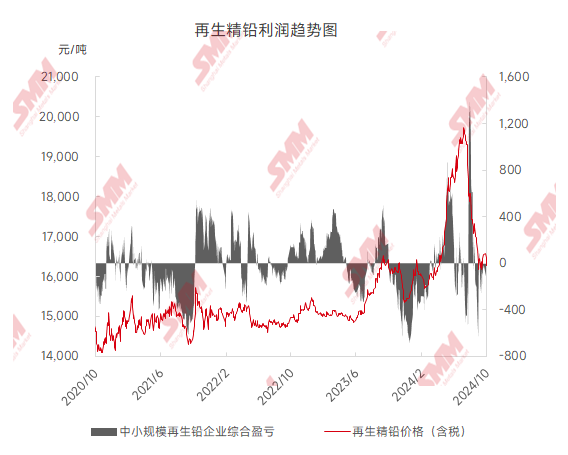
3. Thiếu cơ chế định giá thống nhất cho pin phế thải: Trên toàn quốc, thị trường pin phế thải vẫn gặp vấn đề với các giao dịch chợ đen. Một số công ty không tuân thủ tham gia vào các giao dịch "vùng xám" để đạt lợi nhuận cao hơn, làm giảm không gian sống của các doanh nghiệp hợp pháp.
4. Mất cân đối trong định giá và cơ chế định giá: Giá thị trường của pin phế thải không phản ánh chính xác tính chất phế thải của chúng, với sự biến động giá nghiêm trọng. Các nhà tái chế tận dụng lợi thế tài nguyên để nâng giá, dẫn đến lợi nhuận mỏng cho các nhà máy lọc và tạo ra hiện tượng "ràng buộc tài nguyên", cản trở việc thiết lập cơ chế định giá hợp lý. Thiếu giá hướng dẫn ngành thống nhất buộc các công ty phải nâng giá mua để duy trì sản xuất.
5. Thiếu tự giác và cơ chế liên minh hiệu quả trong ngành: Ngành thiếu các liên minh mạnh hoặc tổ chức tự giác, dẫn đến cạnh tranh khốc liệt và chiến tranh giá cả thường xuyên. Cuộc họp đề xuất thành lập các hiệp hội hoặc liên minh ngành để thúc đẩy phát triển ngành lành mạnh thông qua hướng dẫn giá và thiết lập các cơ chế kiểm soát giá.
6. Gánh nặng chính sách và thuế: Chính sách hóa đơn ngược và việc thực hiện Quy định Đánh giá Cạnh tranh Công bằng có nhiều bất định, như việc thực hiện và diễn giải chính sách thuế không nhất quán giữa các khu vực, và các phương pháp xử lý thuế khác nhau giữa các công ty, làm tăng chi phí và sự bất tiện. Các yếu tố như sự không nhất quán về thuế và thực thi chính sách yếu kém làm tăng thêm sự phức tạp trong hoạt động kinh doanh.
7. Khó khăn trong việc tích hợp đầu tái chế pin phế thải: Cuộc họp chỉ ra rằng hầu hết các công ty tái chế ở Trung Quốc có quy mô nhỏ và bị hạn chế về khu vực, không thể thực hiện hiệu quả kinh doanh trên toàn quốc. Các yêu cầu bảo vệ môi trường địa phương khác nhau, với một số chính quyền địa phương yêu cầu pin phế thải phải được tái chế tại chỗ và yêu cầu giấy phép đặc biệt cho vận chuyển liên tỉnh, làm tăng khó khăn trong hoạt động. Sự phân đoạn khu vực này dẫn đến phân phối tài nguyên không đồng đều và hạn chế sự phát triển tổng thể của ngành.
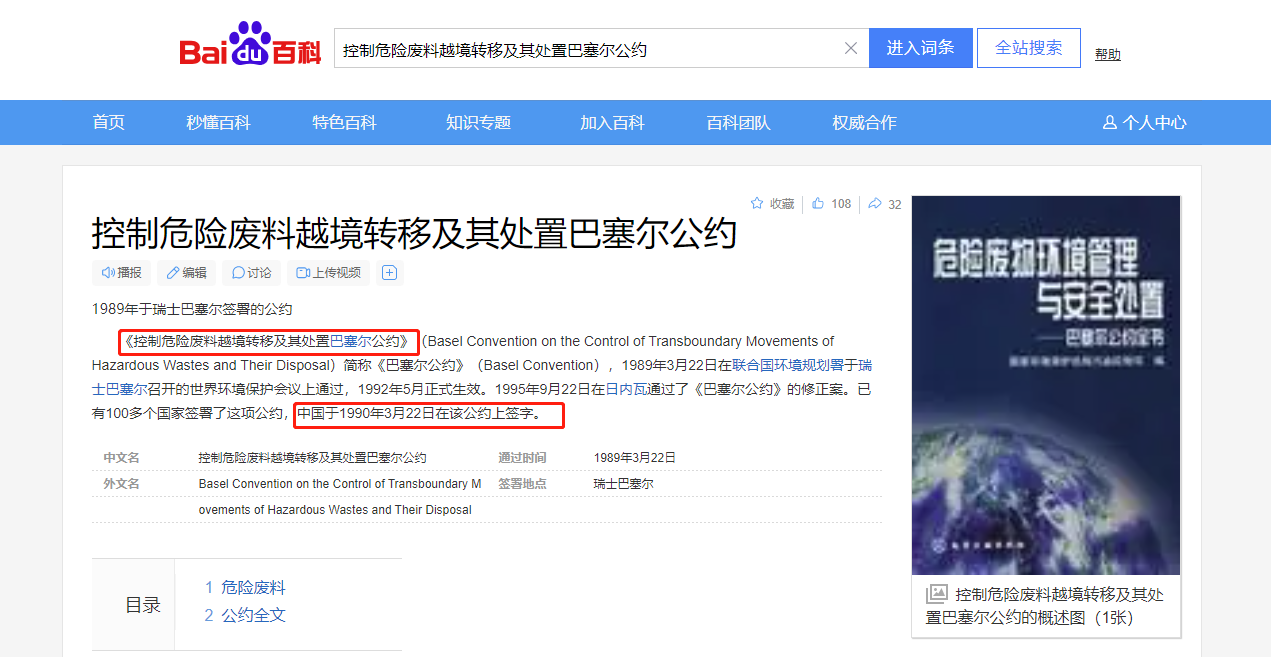
8. Quy định về môi trường: Vì Trung Quốc là một bên tham gia Công ước Basel, việc nhập khẩu pin phế thải gặp khó khăn. Các quốc gia khác, như Hàn Quốc, định nghĩa pin phế thải là "tài nguyên mỏ đô thị", do đó tránh được các quy định về nhập khẩu và xuất khẩu chất thải rắn. Những người tham dự kêu gọi áp dụng các mô hình tương tự trong nước để mở rộng các kênh tái chế và nhập khẩu cho các công ty trong nước.
9. Giá phế liệu ở nước ngoài cao:Một số diễn giả lưu ý rằng chi phí nguyên liệu thô cho pin axit-chì phế thải ở nước ngoài (ví dụ, Mỹ) cũng đang tăng, từ 700 USD/tấn trước đây lên 900 USD/tấn hiện nay, ảnh hưởng trực tiếp đến biên lợi nhuận của ngành tái chế. Sự gia tăng giá nguyên liệu thô gây áp lực lên các công ty tái chế và sản xuất, hạn chế lợi nhuận của các công ty trong toàn bộ chuỗi ngành.
Tóm lại, các điểm đau hiện tại của ngành chì thứ cấp tập trung vào dư thừa công suất, nguồn cung nguyên liệu thô không đủ, kênh tái chế bị hạn chế, và tuân thủ tài chính và thuế. Những yếu tố này đan xen, đặt ra những thách thức lớn cho hoạt động của ngành. Những điểm đau này hạn chế sự phát triển lành mạnh của ngành chì thứ cấp, cần khẩn trương phối hợp chính sách và tự giác ngành để đạt được sự phát triển tiêu chuẩn và bền vững.
![Từ Bán Tháo đến Ghìm Hàng: Tâm Lý Nhà Cung Cấp Đảo Chiều Khi Giá Chì Phục Hồi [Điểm Tin Hàng Tuần Ắc Quy Phế Liệu SMM]](https://imgqn.smm.cn/usercenter/LCtEk20251217171721.jpeg)
![Đơn hàng chì tinh luyện thứ cấp giao ngay khan hiếm với báo giá ổn định; vấn đề nguyên liệu thô chưa được giải quyết, hạn chế lợi nhuận của nhà luyện kim [Đánh giá hàng tuần chì tinh luyện thứ cấp SMM]](https://imgqn.smm.cn/usercenter/hrxHx20251217171721.jpeg)
![Nguồn cung chì thô thứ cấp trong nước khan hiếm, nhiều doanh nghiệp thu mua chì thô thứ cấp chuyển sang nguồn nước ngoài [SMM Điểm tin tuần chì thô thứ cấp]](https://imgqn.smm.cn/usercenter/xVgcv20251217171721.jpg)