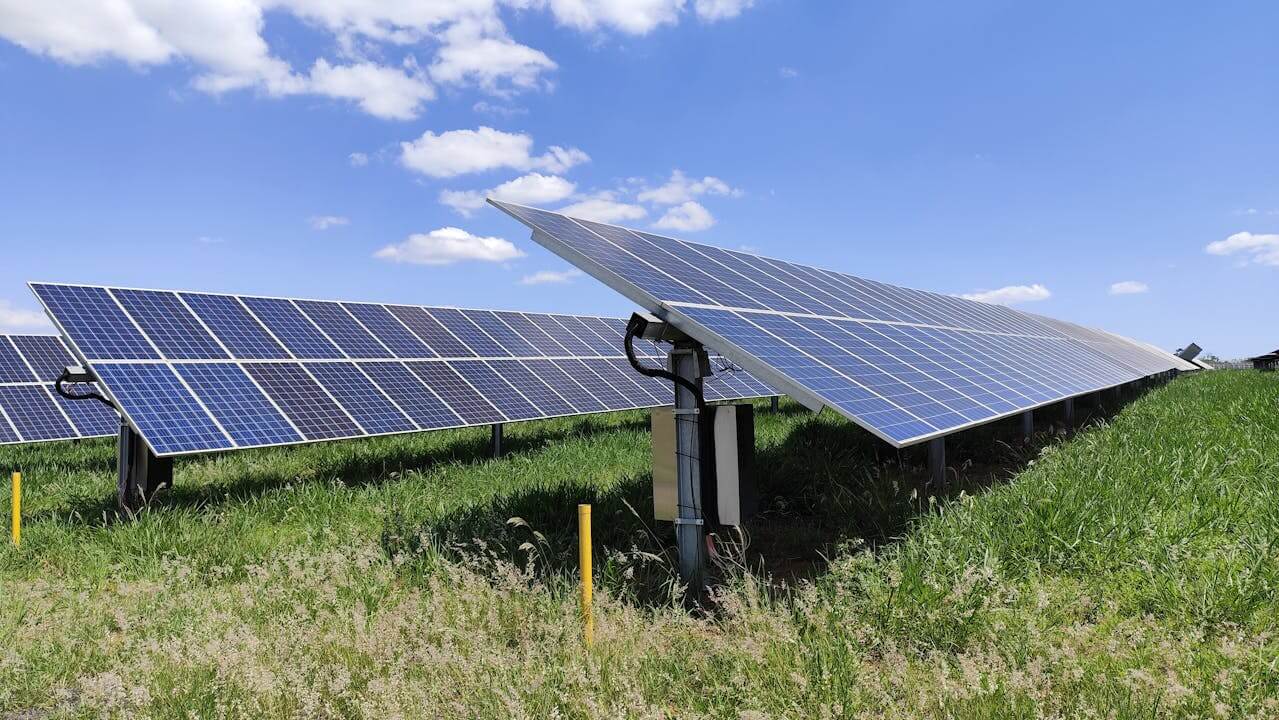
According to SMM statistics, China's PV module production in August was up 4.4% MoM and down about 7.8% YoY. From January to August 2024, China's cumulative PV module production increased by approximately 18.1% YoY.
After three consecutive months of negative growth, August's PV module production finally turned positive MoM, mainly due to a small peak in centralized procurement deliveries in the domestic market from July to August. The production increase in August was primarily driven by top-tier enterprises, with about six of the TOP10 enterprises achieving production growth, with the highest increase exceeding 1GW. Some second and third-tier enterprises slightly increased production due to temporary order increases but overall maintained low operating rates. Integrated module producers, facing continuous losses and high inventory pressures, remained cautious about increasing operating rates. Mid-to-late-stage module manufacturers, although under less pressure from losses and inventory turnover, struggled with insufficient orders due to lesser competitive advantages and had to resort to low-price strategies for order acquisition. Some enterprises chose to take only contract manufacturing orders.
September's PV module planned production is expected to increase by about 0.8% MoM and about 4.9% YoY. However, the actual production increase in September will be limited due to corporate profits/losses, inventory pressures, and weak order demand. Order visibility for September is still average, especially since domestic delivery demand has not shown improvement.
Demand side: In August, the awarded capacity for PV module projects was about 11.97GW, down 37.7% MoM and 29.3% YoY, marked as the historical low for the year except for February. The total awarded capacity for July to August was 31.2GW, compared to 41.1GW for the same period last year. The significant decrease in large order procurement demand in August and the delivery period for large projects in July-August mostly scheduled by the end of September or October led to weak domestic demand support for August. Overseas orders slightly rebounded in September as the European summer break ended, and emerging markets maintained strong demand. India continued to have demand for off-list modules driven by its rooftop PV program. However, the overall pulling demand in overseas markets was still constrained by inventory backlogs, electricity price fluctuations, and changes in economic policies. Overall, the increase in domestic and international demand in September is limited.
Supply side: In September, there was a divergence in production plans among enterprises. About four of the TOP10 enterprises planned to increase production, while another four planned to reduce production, with the largest reduction exceeding 1GW. Second and third-tier enterprises still faced insufficient orders and had to continue contract manufacturing or maintain low operating rates. During H1, top-tier enterprises had aggressive production plans, but actual demand failed to match high operating rates, resulting in excessive inventory. Some top-tier enterprises' days of inventories rose to 1.5-2 months, surpassing normal controllable inventory levels, forcing September production adjustments to alleviate losses and inventory pressures.
Price side: The short-term supply-demand imbalance and intensified competition since mid-year led to a continuous decline in PV module prices from 0.8 yuan/W to the current 0.7 yuan/W threshold. With overall demand not increasing, each centralized procurement order has become crucial for PV module producers, intensifying cut-throat competition. Although upstream raw materials like cells and auxiliary materials have decreased in price, providing some cost relief for modules, the integrated module producers still faced losses across various manufacturing segments and further module price declines. Specialized module producers' small profit margins continued to be squeezed, resulting in no profitability. The dual pressures of production costs and losses prompted PV module producers to cautiously adjust their operating rates.
In summary, the PV module industry experienced complex production and sales changes from August to September. Despite the positive MoM growth in August module production driven by a small peak in centralized procurement deliveries in the domestic market. The "September-October peak season" is ideally expected to bring an increase in demand. However, the actual production increase in September was constrained by losses and inventory factors. Overall, PV module enterprises, facing multiple challenges, are cautiously adjusting their operating rates to cope with the current market environment.
![Silver prices rose first then fell, closing the week with a bearish candle as bulls and bears intertwined, awaiting new variables to break the deadlock [SMM Silver Weekly Review]](https://imgqn.smm.cn/usercenter/kLgYV20251217171736.jpg)
![Polysilicon sees small-volume high-price deals, centralized module prices decline further [SMM weekly review]](https://imgqn.smm.cn/usercenter/EutUV20251217171724.jpeg)