What is Niobium?
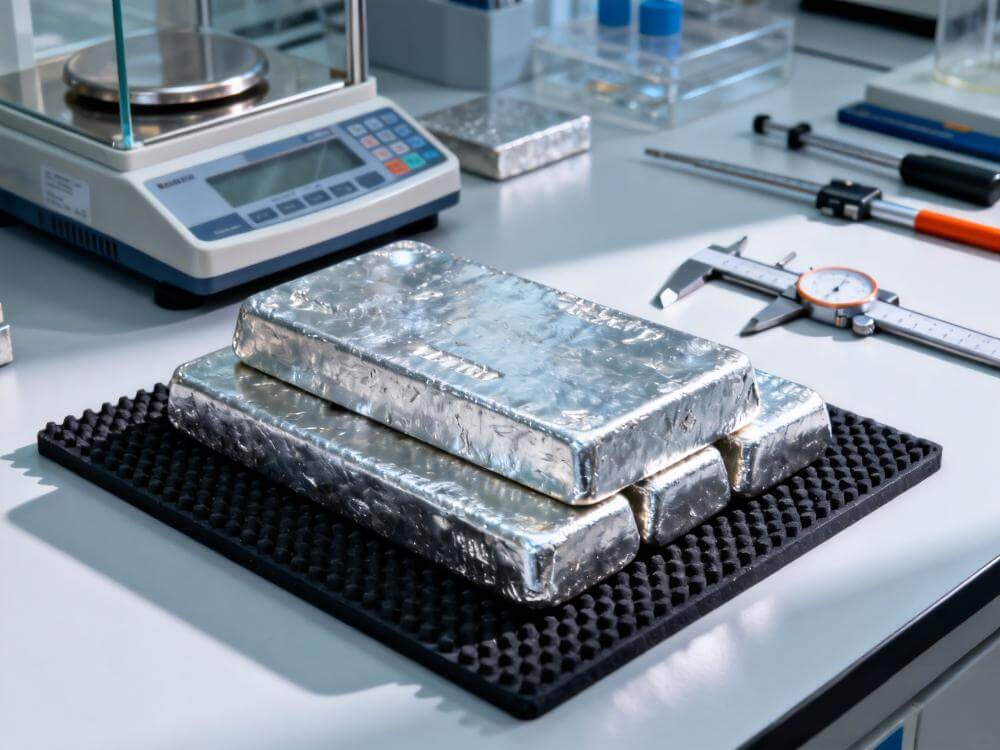
Niobium, identified by its atomic number Nb, is a grey, ductile metal with significant applications across various industries due to its unique properties. Extracted mainly from the minerals pyrochlore and columbite, niobium is recognized for its high melting point and resistance to corrosion. These characteristics make it a valuable additive in metal alloys, particularly in the steel manufacturing industry.
Importance of Niobium in Steel Production
In steel production, niobium serves as a micro-alloying element that enhances the strength and durability of steel. When added in small quantities, it significantly improves the mechanical properties of steel, making it more robust and resistant to wear and tear. The increased strength-to-weight ratio is especially beneficial in industries such as automotive and construction, where high-strength, lightweight materials are in demand.
Benefits and Applications of Niobium-Alloyed Steel
Niobium-alloyed steel offers several benefits, including improved weldability, higher toughness, and increased resistance to environmental degradation like oxidation and corrosion. These attributes make niobium-rich steel essential in manufacturing pipelines, automotive parts, and various structural components in buildings and bridges. Notably, the use of niobium-alloyed steel also contributes to energy efficiency and sustainability by enabling lighter, stronger, and more durable materials.
Historical Pricing Trends of Niobium
Early Trends in the Niobium Market
Historically, the market for niobium has been relatively stable, primarily because its principal applications have consistently been within sectors like aerospace, automotive, and construction. During the early years of its commercial use, niobium was available at relatively low and stable prices due to its abundant supply from a few key mining regions, especially Brazil, which holds the largest niobium reserves globally.
Key Factors Influencing Niobium Prices Over Time
Several factors influence niobium prices, including mining production rates, geopolitical stability in producing countries, and global economic conditions. For instance, any changes in trade policies, mine output, or discovery of new reserves can impact supply and, consequently, pricing. Additionally, technological advancements and shifts in demand within the steel and automotive sectors directly affect the market equilibrium, causing fluctuations in niobium pricing.
Notable Price Fluctuations and Their Causes
Niobium prices have experienced notable fluctuations due to various reasons. In some instances, prices spiked due to supply disruptions caused by geopolitical events or natural disasters impacting major mining operations. Conversely, technological advancements that reduced production costs and the discovery of new mining sites occasionally led to price drops. Understanding these fluctuations is crucial for steel manufacturers to strategize their procurement processes effectively and mitigate cost risks.
Current Market Dynamics
Recent Changes in Niobium Supply and Demand
Recently, there have been significant changes in the supply and demand dynamics of niobium. The growing demand for high-strength, lightweight materials in manufacturing and infrastructure projects has increased the global consumption of niobium-alloyed steel. On the supply side, advancements in mining technologies and the expansion of production capacities in key regions have partially offset the increased demand, although future supply disruptions remain a possibility due to geopolitical tensions.
Influence of Global Events on Niobium Pricing
Global events such as trade wars, economic sanctions, and environmental regulations profoundly impact Niobium Pricing. For example, trade restrictions between major niobium-producing countries and their trading partners can lead to supply shortages and price surges. On the other hand, international agreements aimed at reducing carbon footprints can spur demand for niobium-alloyed steel, thus driving prices upward. Monitoring global events is essential for stakeholders to anticipate and adapt to these pricing changes.
Competitive Landscape in the Niobium Market
The competitive landscape of the niobium market is primarily shaped by a few dominant players, with Brazil’s Companhia Brasileira de Metalurgia e Mineração (CBMM) being the largest producer. Other significant players include China Molybdenum Co., Ltd. and Anglo American plc. The competition among these entities influences the pricing strategies and availability of niobium. Furthermore, emerging technologies and new entrants in the market could disrupt the current equilibrium, leading to more dynamic pricing conditions.
Understanding the complexities of Niobium Pricing and its implications on the steel industry is crucial for manufacturers. By staying informed about historical trends, current market dynamics, and the broader economic factors influencing niobium prices, steel producers can better navigate the market and make strategic decisions that ensure their competitiveness and sustainability in the long run.
Future Outlook for Niobium Prices
Projections on Global Supply and Demand
Looking ahead, the global supply and demand for niobium are expected to experience significant shifts. With the rising demand for niobium in various industrial applications, there will be increased pressure on mining operations to boost production. Analysts predict that as emerging markets continue to develop their infrastructure and automotive industries, the demand for niobium will grow. This anticipated demand surge may prompt mining companies to explore new deposits and enhance extraction technologies to ensure a steady supply. Conversely, any supply chain disruptions, such as geopolitical tensions or environmental regulations, could pose challenges in meeting the projected demand, influencing Niobium Pricing.
Anticipated Technological Advancements Affecting Prices
Technological advancements in both niobium extraction and steel manufacturing are expected to play a crucial role in shaping future Niobium Pricing. Innovations in mining technology, such as automated drilling and enhanced processing techniques, could lower production costs and increase output efficiency. On the manufacturing side, advances in metallurgy could lead to more efficient use of niobium in steel alloys, potentially reducing the amount needed per ton of steel. These technological improvements could stabilize or even lower niobium prices, providing a more predictable cost environment for steel manufacturers.
Strategic Considerations for Steel Manufacturers
Considering these forecasts, steel producers must implement strategic initiatives to effectively manage the changing niobium market. One tactic to reduce the risk of supply interruptions is to diversify their sources. Additionally, manufacturers should invest in research and development efforts to deepen their understanding of how niobium can be utilized more efficiently in the steel-making process. Forming partnerships with mining firms could also offer more stable and advantageous pricing terms, thereby securing a consistent niobium supply amid unpredictable market conditions.
Strategies for Steel Manufacturers
Managing Cost Volatility in Niobium Procurement
To effectively manage the cost volatility associated with Niobium Pricing, steel manufacturers need to implement robust procurement strategies. One tactic is to engage in futures contracts, which lock in prices for future transactions, thus helping to hedge against market fluctuations. Another strategy is to build a diversified portfolio of suppliers to minimize dependence on a single source. Regularly monitoring market trends and adjusting procurement plans accordingly can also empower manufacturers to make informed purchasing decisions that mitigate cost risks.
Leveraging Alternative Materials and Technologies
In response to potential volatility in Niobium Pricing, steel manufacturers should explore alternative materials and innovative technologies. Research into other micro-alloying elements that can offer similar benefits to niobium could provide viable substitutes in certain applications. Additionally, advancements in recycling technologies may allow for the reclamation and reuse of niobium from end-of-life products, which could reduce reliance on newly mined material. Embracing these alternatives could help manufacturers manage costs and maintain production efficiency.
Long-term Contracts and Supplier Relationships
Establishing long-term contracts and fostering strong relationships with niobium suppliers can provide multiple benefits for steel manufacturers. Long-term agreements often come with more favorable pricing terms and can protect against sudden price hikes due to market instability. Building strategic partnerships with suppliers not only ensures a steady supply of niobium but also facilitates better communication and collaboration on issues such as quality control and delivery schedules. Such relationships can offer more predictability and stability in Niobium Pricing, enhancing overall operational efficiency.
Conclusion: Adapting to the Changing Niobium Market
In summary, grasping the intricacies of Niobium Pricing and its influence on the steel industry is crucial for manufacturers striving to maintain their competitive edge. By staying informed about future supply and demand forecasts, anticipated technological developments, and strategic factors, steel producers can effectively manage the complexities of the niobium market. Implementing measures such as controlling cost fluctuations, utilizing alternative materials, and building robust supplier relationships will enable them to adapt to market shifts and sustain their operations. As the global environment continues to change, proactive and well-informed decision-making will be essential for success in the ever-evolving niobium market.