Nigeria stands at a pivotal crossroads. The nation's auto spare parts sector, with an estimated annual revenue ranging from $500 million to $900 million, possesses the latent power to become a cornerstone of economic growth. Yet, this potential remains largely untapped, as local manufacturing is minimal or virtually non-existent, leaving the country heavily reliant on imports.
Contrast this with Tunisia, Africa's second-largest auto parts and components exporter after Morocco. Despite lacking a robust automotive assembly industry, Tunisia boasts about 280 auto industry firms that provide 90,000 jobs. Ambitiously, it plans to double its auto industry exports to $4.7 billion by 2027 and create an additional 150,000 jobs. This success story underscores a critical lesson: manufacturing can flourish even without a dominant vehicle assembly sector.
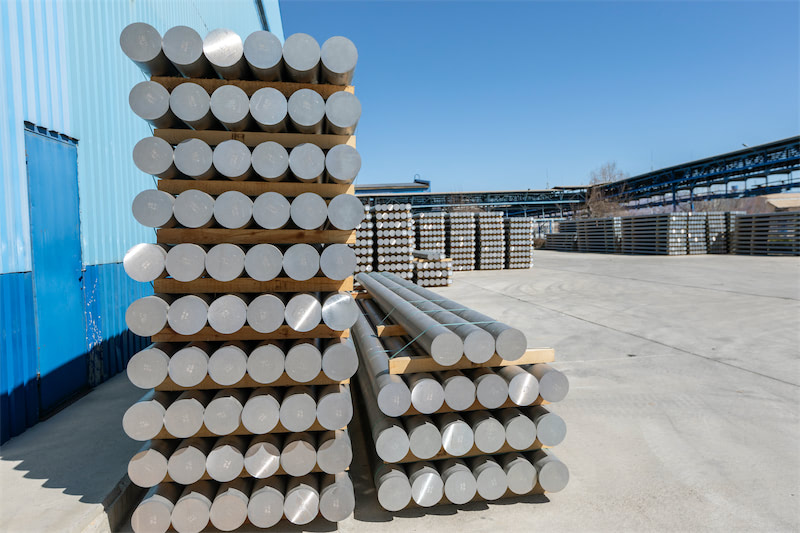
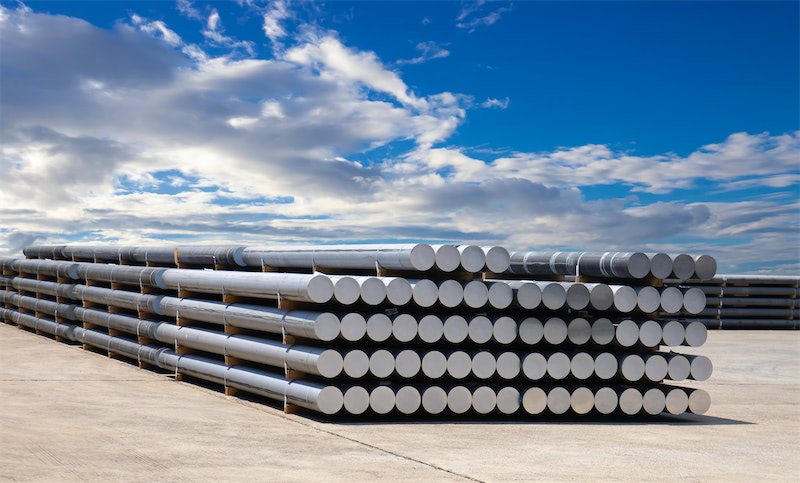
Nigeria is not devoid of advantages. The nation is rich in essential raw materials such as leather, textiles, rubber, iron, steel, aluminium, plastic, and elastomers. Moreover, in the burgeoning era of electric vehicles, Nigeria possesses vital resources like cobalt, lithium, manganese, bauxite, and graphite. These assets position the country as an ideal hub for automotive production.
The clarion call for action has been sounded. Ifeanyichukwu Agwu, CEO of BKG Exhibitions, emphatically stated, "If the country wants to be an auto hub in Africa, it can be." His words resonate with a truth that demands attention: the pressing need to initiate local auto parts manufacturing.
Nigeria's transformation into an auto hub requires strategic policies and purposeful initiatives. These include encouraging investments in local manufacturing, offering incentives to domestic producers, and fostering partnerships between the public and private sectors. Training and skill development investment is crucial to ensure a capable workforce that can drive the industry forward. The government's role in this transformation is paramount.
The path ahead is clear. By harnessing its abundant resources and learning from the successes of its African neighbours, Nigeria can metamorphose its auto spare parts industry from a sleeping giant into a dynamic force propelling economic prosperity.
Ifeanyichukwu Agwu said, “Let us initiate this with auto parts, as it will have a multifaceted positive impact. The production of spare parts is less complex compared to assembling entire vehicles. Each vehicle comprises over 5,000 parts, which implies the establishment of 5,000 factories and creating employment opportunities for our populace. There are approximately 11,000 auto parts companies in India alone, highlighting the extent of labour and technology involved.”
Africanus Ogudoro, President of the Ladipo Central Executive Committee of the Auto Dealers Association, agreed that producing auto parts locally would lessen reliance on imports, conserve foreign exchange, and stimulate the growth of Nigeria's domestic automotive industry. He believes this initiative would generate employment opportunities for Nigerians and cultivate a more self-sufficient and competitive automotive sector.
Meanwhile, Benedeth Ejindu, a board member of the Nigeria Automobile Manufacturers Association (NAMA), highlighted that the global automotive industry serves as a key driver of economic growth. He emphasised that Nigeria has the necessary resources to support this sector effectively.
“There is abundant leather, textiles, rubber, iron, steel, aluminium, plastic, elastomers, and more. Additionally, we have the necessary materials for electric vehicle production, including cobalt, lithium, manganese, bauxite, and graphite. These resources are readily available in Nigeria, making us an ideal location for automotive production,” Ejindu said.
The director general of the National Automotive Design and Development Council (NADDC), Joseph Osanipin, said that to capitalise on the spare parts industry's potential, "we are putting premium attention on parts within the country."
"Through collaborative efforts with stakeholders, we've identified specific parts that can be feasibly manufactured in Nigeria and are currently discussing this."
"We have brought together the parts manufacturers, assemblers, and NADDC about an all-signing Memorandum of Understanding (MoU)."
Osanipin also mentioned that the council is not stopping there; they have forged partnerships to establish the Nnewi Auto Industrial Park in Anambra State, funded by the African Export-Import Bank (Afreximbank).