New challenge for China's EV: EU may raise import tariffs

Published: May 16, 2024 11:12 (GMT+8)
Source: SMM
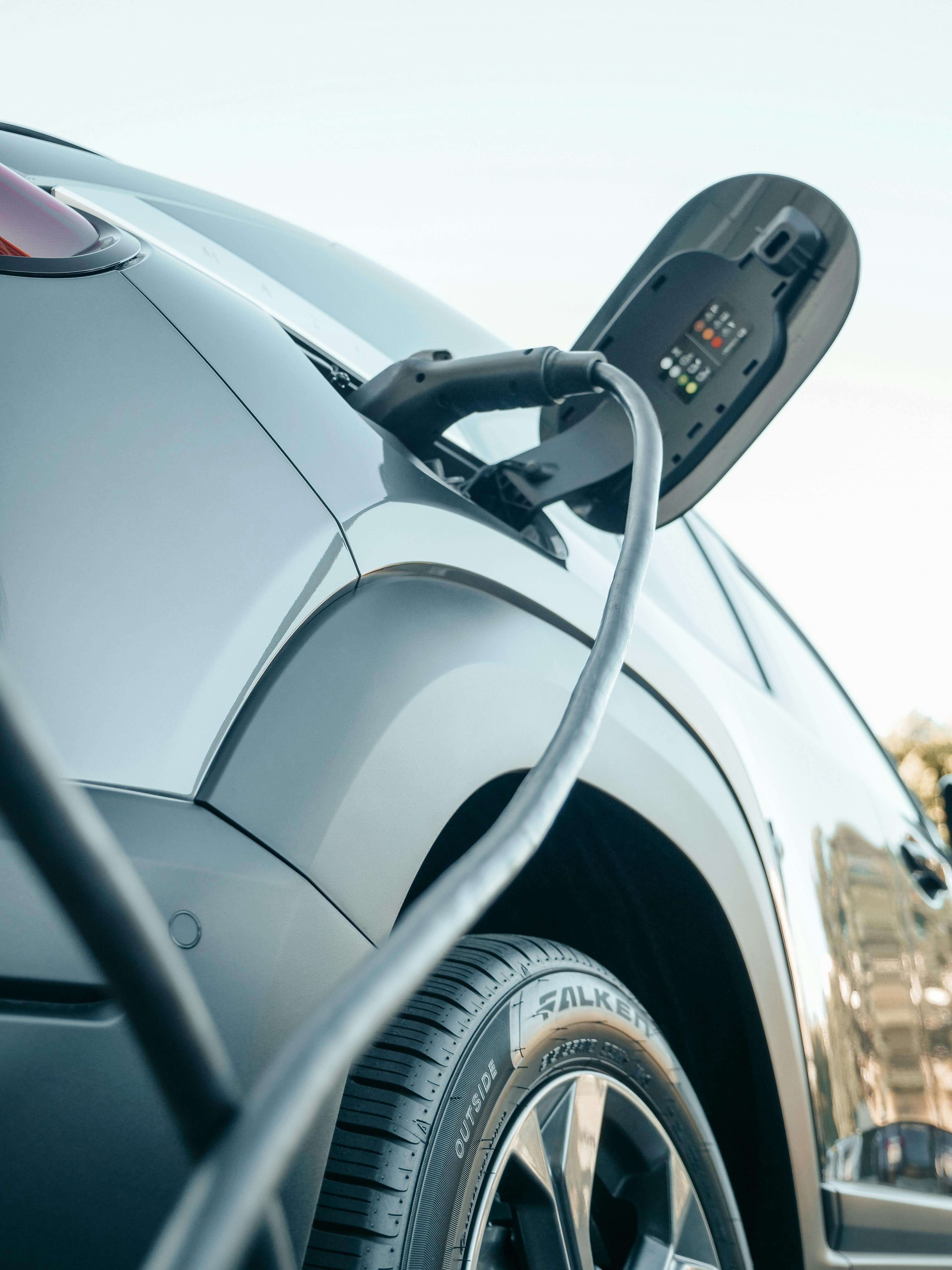
According to Politico, the EU is considering raising tariffs on Chinese EVs in response to similar actions by the US. The EU could raise import tariffs on Chinese electric cars from 10% to 25%-30%. This move could have an impact on the overseas markets of some OEMs. The EU is currently conducting an anti-subsidy investigation into Chinese electric vehicles and may implement temporary tariffs before November in response to the current situation.

On 15 May, the Commissioner for External Trade of EU said that the EU is under similar pressure to consider tariff adjustments on Chinese electric vehicles, following additional tariffs imposed by the US on imports of electric cars and other related products from China, according to Politico News.

The European Commission claimed in April that a countervailing duty investigation against several Chinese OEMs that began last year had not received sufficient cooperation from the OEMs. Currently, the EU's car import tax rate is 10%, and the EU may raise tariffs on Chinese car imports to around 25%-30%.

It's worth noting that China's car import tax rate is currently 25%, which may be one of the reasons why some Europeans say it's "relatively fair" to adopt a similar level of tax rate. However, the introduction of similar regulations for Chinese car companies alone, in addition to protecting the local industry of some countries, there are inevitably political considerations.

In 2023, the total value of EU imports of electric vehicles from China is about $13.46 billion, recording a growth of nearly 70%. The EU is currently the largest overseas export market for Chinese EVs, accounting for 39.44% of total exports. Therefore, SMM expects that once the EU tariff rate is raised, it will have a impact on the profitability of some EV companies in their overseas markets.

According to SMM's earlier report, the EU has opened countervailing pre-registration for electric vehicles imported from China since 7 March and retains the right to impose retroactive levies. The EU said earlier that provisional tariffs could be imposed from July before the countervailing investigation ends in November this year. In the US to raise tariffs has become a fact, for the protection of domestic industry considerations, the EU is more likely to ultimately raise tariffs against China's electric vehicle imports.

Data Source Statement: Except for publicly available information, all other data are processed by SMM based on publicly available information, market communication, and relying on SMM's internal database model. They are for reference only and do not constitute decision-making recommendations.

For any inquiries or for more information, please contact: lemonzhao@smm.cn
For more information on how to access our research reports, please contact:service.en@smm.cn
Related News
[SMM Cobalt-Lithium Morning Meeting Summary] Supply-demand expectations diverge, material prices under pressure, industry chain prosperity diverges
2 hours ago
[SMM Cobalt-Lithium Morning Meeting Summary] Supply-demand expectations diverge, material prices under pressure, industry chain prosperity diverges
Read More
[SMM Cobalt-Lithium Morning Meeting Summary] Supply-demand expectations diverge, material prices under pressure, industry chain prosperity diverges
[SMM Cobalt-Lithium Morning Meeting Summary] Supply-demand expectations diverge, material prices under pressure, industry chain prosperity diverges
Industry chain prices were generally under pressure this week, with supply and demand diverging across segments. The lithium market was hit by expectations of ample future supply, dragging the average battery-grade lithium carbonate price down to 104,400 yuan/mt, a weekly decline of 14.7%. Spot destocking and a stronger basis still provided some support, but salt plant inventories edged higher. Cobalt and nickel demand recovery remained insufficient, with cautious procurement keeping salt prices on a downtrend. Ternary cathode materials and LCO faced dual pressure from falling costs and weak orders. LFP supply and demand were stable, with prices easing alongside raw materials. Artificial graphite found relatively strong cost support, separator inventories were low with tightening supply-demand conditions, and electrolyte prices held steady. Sodium-ion battery orders grew and capacity releases accelerated, but profitability recovery lagged, leaving commercialization still constrained by economics. In the recycling market, black mass prices and procurement coefficients moved lower, strengthening buyer bargaining power. Competition intensified in end-user energy storage project bidding, with Jieyang project candidate quotes concentrated at 0.8–0.82 Yuan/Wh. Going forward, attention should focus on ore-side production resumptions, production schedule fulfillment, and actual restocking; industry chain stabilization still hinges on demand improvement.
2 hours ago
[SMM Cobalt Morning Meeting Summary] Weak Demand and Falling Costs Keep Industry Chain Prices Under Pressure and Hitting Bottom
2 hours ago
[SMM Cobalt Morning Meeting Summary] Weak Demand and Falling Costs Keep Industry Chain Prices Under Pressure and Hitting Bottom
Read More
[SMM Cobalt Morning Meeting Summary] Weak Demand and Falling Costs Keep Industry Chain Prices Under Pressure and Hitting Bottom
[SMM Cobalt Morning Meeting Summary] Weak Demand and Falling Costs Keep Industry Chain Prices Under Pressure and Hitting Bottom
The industry chain remained weak this week, with insufficient demand and lower costs jointly weighing on prices. Refined cobalt fell below 250,000 yuan/mt, and smelter quotes may see further downward adjustments. Intermediate product trading stalled, with buyers and sellers staying on the sidelines. The cobalt sulphate market shifted to a buyer-dominated phase, with downstream target prices dropping to 46,000-48,000 yuan/mt, while high inventory costs kept price disagreements unresolved. Cobalt chloride and Co3O4 saw production cuts and destocking, with new purchases insufficient. Cobalt powder quotes fell to 330,000-340,000 yuan/mt, and cemented carbide demand recovered slowly. Ternary cathode precursor prices weakened, with export orders moderate and domestic demand diverging. Ternary cathode material was dragged down by falling raw material prices and order reductions, with October production schedules expected to remain flat MoM. LCO cost support weakened, end-user restocking was cautious, and prices still had downside. Overall, just-in-time procurement was unlikely to reverse the weakness, and stabilization would still require actual order improvement. In news, September EV and ESS battery sales rose 52% YoY, with new progress in corporate earnings and overseas project construction.
2 hours ago
20,000 mt Annual Output! Tinci Materials Indonesia Electrolyte Project Expected to Begin Trial Production by Year-End
3 hours ago
20,000 mt Annual Output! Tinci Materials Indonesia Electrolyte Project Expected to Begin Trial Production by Year-End
Read More
20,000 mt Annual Output! Tinci Materials Indonesia Electrolyte Project Expected to Begin Trial Production by Year-End
According to Tinci Materials (002709), construction of the electrolyte project in Indonesia is being accelerated. It is expected to enter trial production in December 2026. As the first lithium-ion battery electrolyte project in the park, the project is being advanced by PT Tinci Materials Indonesia, with a planned annual capacity of 20,000 mt of lithium-ion battery electrolyte. It will supplement key material support for the battery industry chain in the park and further enhance Tinci Materials' localized supply capability in Southeast Asia.
3 hours ago