Shanghai (Gasgoo)- On April 25, Audi introduced its new-gen BEV (battery electric vehicle) model, the Q6L e-tron, at the Auto China 2024. The model is the first one to be designed specifically for the Chinese market and based on the PPE (Premium Platform Electric) platform.
Additionally, the Audi SQ6 e-tron and the Audi Q5 e-tron RS edition also made their China debut at the grand auto show.
During the press conference, Audi, along with its two major local partners, FAW Group and SAIC Motor, showcased a lineup covering three major electric platforms (MEB, PPE and J1), demonstrating their dedication to driving electrification in China.
Prior to the auto show, at the Volkswagen Group Media Night, the Audi Q6L e-tron was unveiled for the first time globally, showcasing its innovative design.
The Audi Q6L e-tron is powered by the PPE platform and the new E3 1.2 electronics architecture, featuring cutting-edge technologies including an 800-volt electrical architecture, powerful eelctric motors, as well as advanced battery and charging management systems. Specifically designed for the Chinese market, the Audi Q6L e-tron boasts more localized features compared to previous global models. Its extended wheelbase allows for larger battery packs, providing superior range performance compared to overseas models.
As the first PPE-based model to be manufactured in China, the Audi Q6L e-tron is poised to meet the escalating demand for upscale electric vehicles and smart mobility solutions in the Chinese market. By the end of 2024, Audi FAW New Energy Vehicle Co., Ltd. (Audi FAW) in Changchun will commence local production of the PPE-based models, with pre-production of the Audi Q6L e-tron already underway since early 2024. With the arrival of the Audi Q6L e-tron, Audi's electric product portfolio in China now spans all the three major electric platforms within the group.
Audi also plans to advance its local R&D path in China, aiming to respond more quickly to Chinese consumers' expectations for intelligent connected vehicles. As its R&D capabilities and architectures continue to expand, Audi will focus on developing advanced features and solutions such as intelligent cockpits, user interfaces that convey brand value, and digital connectivity services.
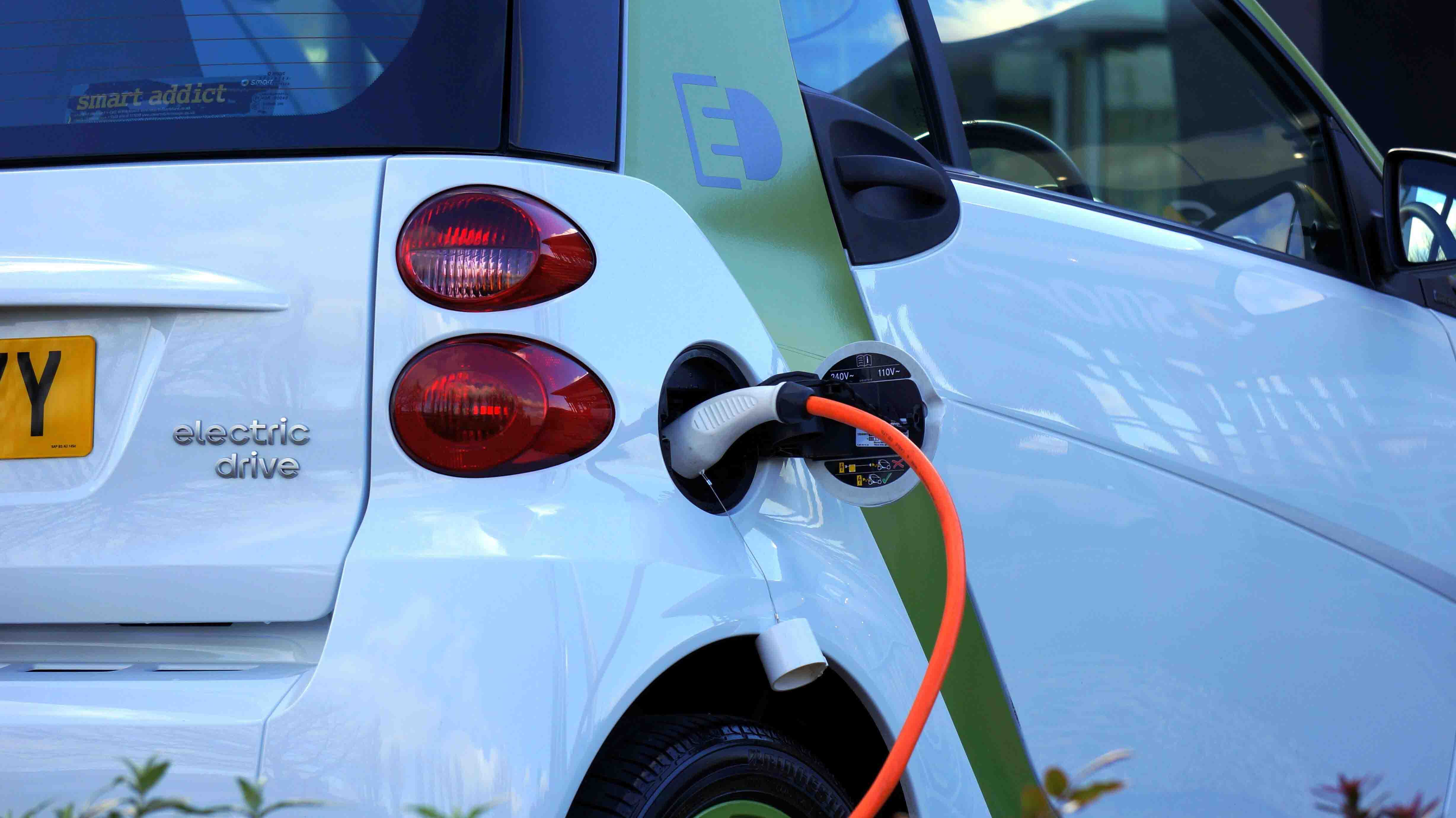
Additionally, Audi leverages its synergy effect with the Volkswagen Group and teams up with Porsche to expand the premium charging network, improving the charging service ecosystem in China. This charging network supports fast charging at a maximum power output of up to 480kW. Starting from the second half of 2024, Audi and Porsche users will have access to over 900 charging stations across 50 cities in China.
Meanwhile, Audi is forging ahead with innovative touchpoints and sales models through close collaboration with FAW Group and SAIC Motor. Their aim is to provide a refreshed brand experience tailored to the digital, electrified, and personalized preferences of Chinese consumers. By the end of 2023, FAW Audi revamped over 540 4S dealership stores with Audi's latest global brand design language and opened 8 Audi City showrooms. In 2023, SAIC Audi expanded its distribution of business, establishing the "SAIC Audi Customer Center" to offer comprehensive experiences for Chinese users. Up until now, FAW-Audi has boasted a marketing and service network of 615 outlets across 247 cities, while SAIC Audi has 181 dealership stores in 88 cities.