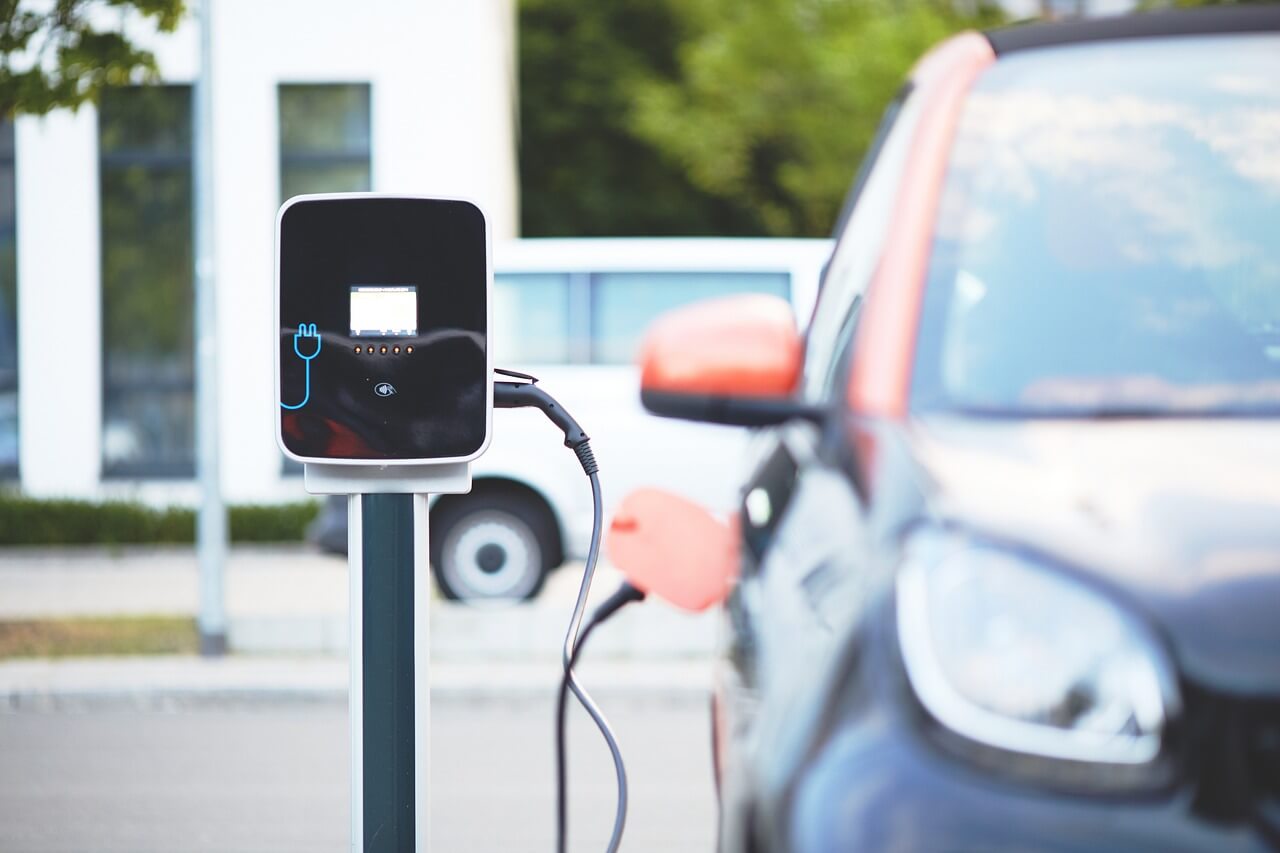
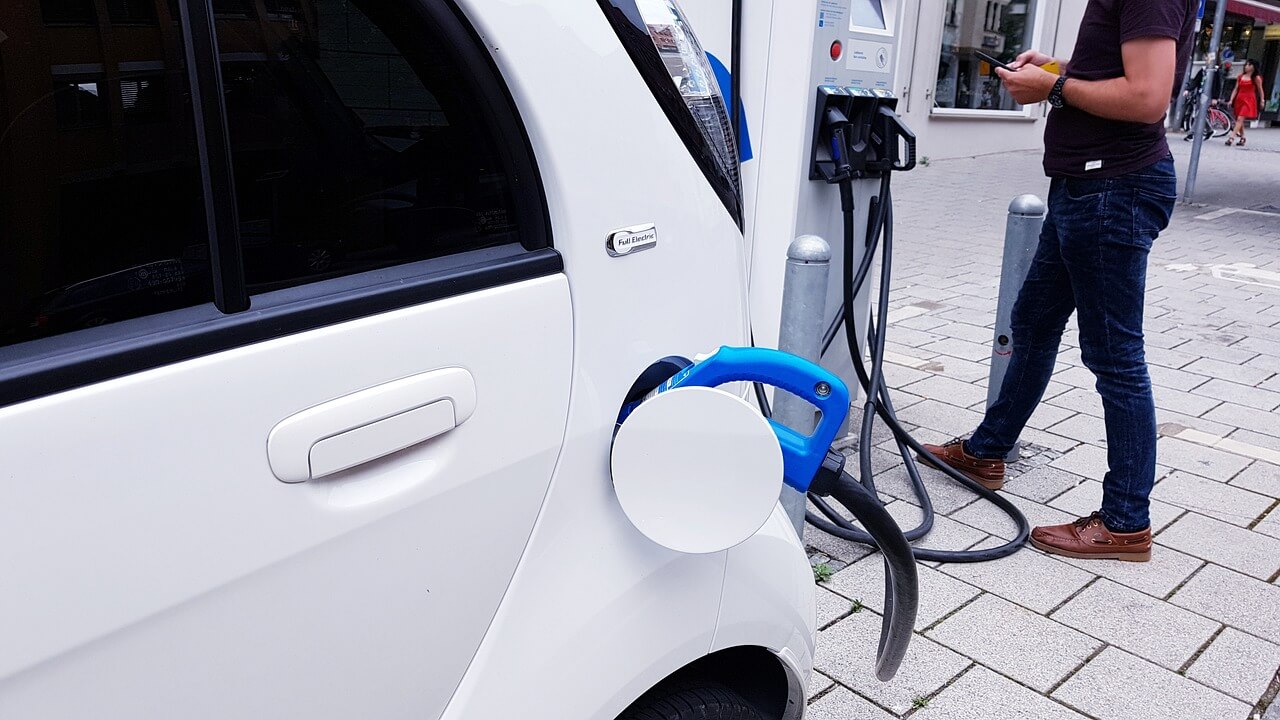
On March 3rd, National People's Congress deputy, Vice Chairman of the All-China Federation of Industry and Commerce, and Chairman of the Board of Directors of Tongwei Group, Liu Hanyuan stated that at this year's Two Sessions, he will put forward suggestions related to the construction of a comprehensive energy storage system, which mainly includes pumped hydroelectric energy storage and new types of energy storage, with electric vehicle and other various forms of energy storage as supplementary, to promote the process towards a low-carbon China. Liu Hanyuan suggested that we should further increase policy efforts, start a large-scale construction of pumped hydroelectric energy storage projects; intensify the promotion of the development of new types of energy storage, support the involvement of new energy storage in peak load balancing and frequency regulation, guide and encourage business entities to participate in the energy storage business, and use market mechanisms to solve problems faced by energy storage; accelerate the formulation of supportive policies and measures for electric vehicles participating in grid energy storage. Liu Hanyuan believes that in the future, the role of energy storage cannot be simply inferred from the current role. By constructing a comprehensive energy storage system with pumped hydroelectric energy storage and new types of energy storage as the main forms and electric vehicles among other various forms of energy storage as supplementary, we could provide a strong support for the grid integration of large-scale, high-proportion renewable energy, help build a new type of power system, and push forward the construction of low-carbon China. "Today's storage is only occasionally called upon, or even never used. In the future, energy storage should become an independent and important component within the smart grid and new type of power system, maintaining balance between power generation and consumption, and become an important industry under the market mechanism," said Liu Hanyuan. In Liu Hanyuan's view, among various energy storage methods, pumped hydroelectric energy storage has multiple functions such as peak shaving, frequency modulation, phase modulation, energy storage, backup for accidents, and black start capability.
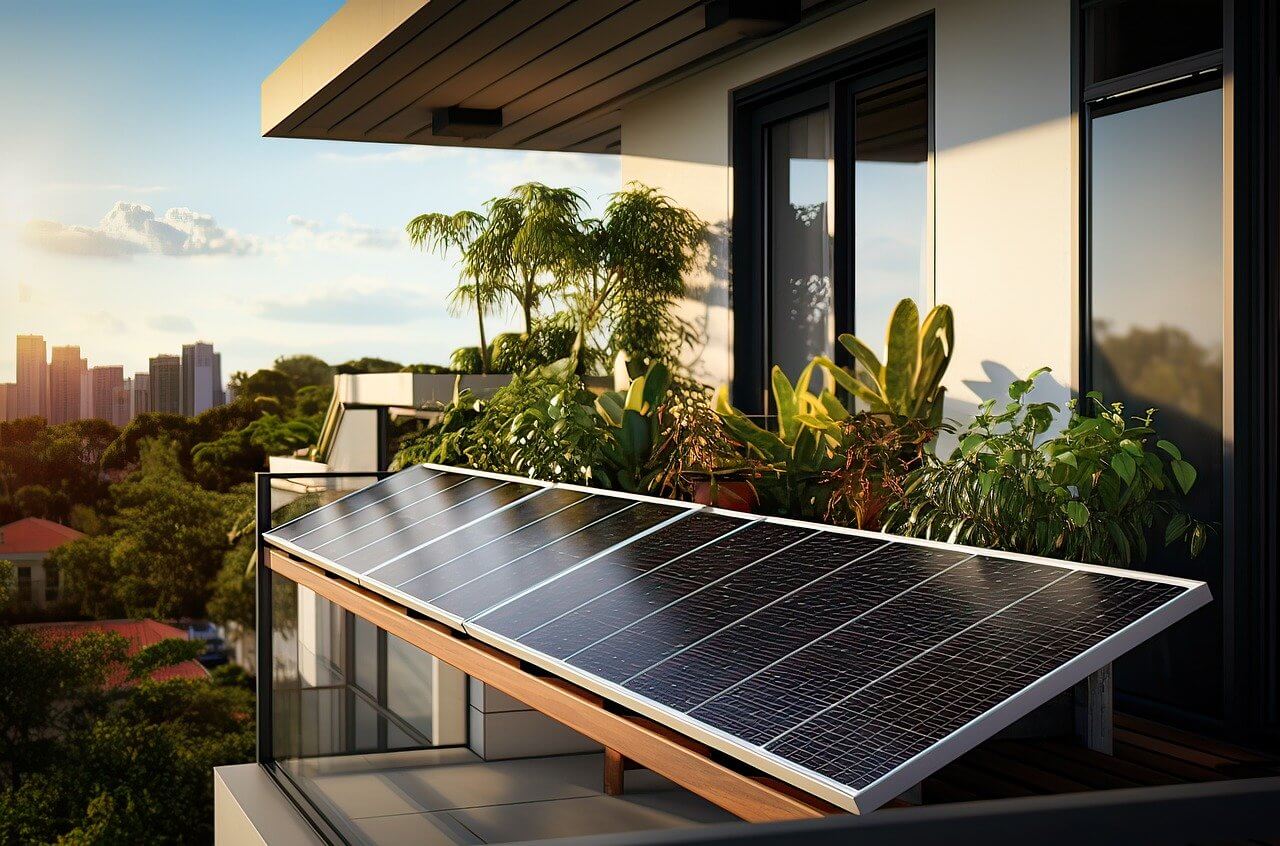
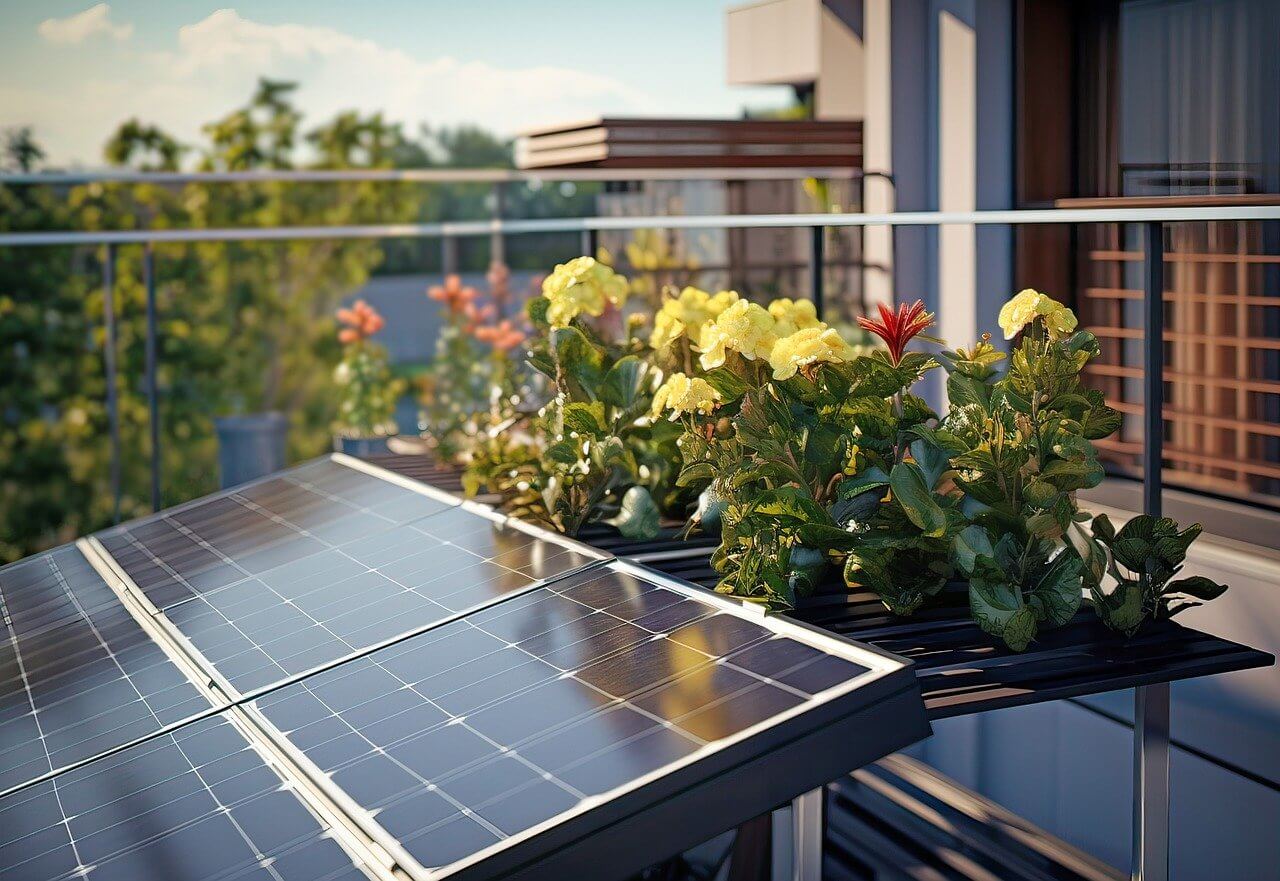
It is currently the most mature energy storage technology with the lowest cost per kWh, and it features long service life, high conversion efficiency, large installed capacity, and long discharge duration, with an energy conversion efficiency of around 75%. "Once constructed, the dam body of the power plant can be used for around 100 years, and the service life of the machinery equipment is about 50 years. The existing pumped hydroelectric power stations were only occasionally used and did not regularly participate in peak shaving and frequency regulation, therefore the calculated cost of energy storage was relatively high. As the proportion of renewable energy in China's energy structure continues to increase, in the future, most pumped hydroelectric stations will participate in daily regulation. Calculating based on one charge and discharge cycle per day, the utilization hours of pumped hydroelectric stations will greatly increase, and the cost per kWh of energy storage will significantly reduce," Liu Hanyuan said. The issue of "cost" has always been one of the key issues in the development of the energy industry. Regarding the investment cost of pumped hydroelectric energy storage construction, Liu Hanyuan has conducted detailed research and calculations: conventional hydroelectric stations cost about 9000 yuan/kW, large pumped hydroelectric stations are around 6000 yuan/kW, and small to medium-sized pumped hydroelectric stations (with an installed capacity of less than 50MW) have lower technical difficulty and an investment cost within 5000 yuan/kW. He believes that with optimized design, adopting small reservoir capacity schemes, the investment cost could further reduce to around 2000 yuan/kW. Currently, the cost per kWh of pumped hydroelectric energy storage is between 0.21-0.25 yuan/kWh, which is lower than other energy storage technologies. If we use the small reservoir scheme and reasonably increase the number of daily charge-discharge cycles, with the existing technical conditions, the cost per kWh of pumped hydroelectric energy storage can be reduced to around 0.1 yuan/kWh. "The cost of photovoltaic power generation has already dropped to 0.2-0.3 yuan/kWh in the eastern regions, and below 0.2 yuan/kWh in the western regions. When combined, the total cost per kWh of photovoltaic storage in the eastern regions is expected to drop to 0.3-0.4 yuan/kWh, while in the western regions, it can decrease to 0.3 yuan/kWh or even lower, fully achieving economic feasibility and truly realizing parity for photovoltaic and storage on-grid," Liu Hanyuan said.