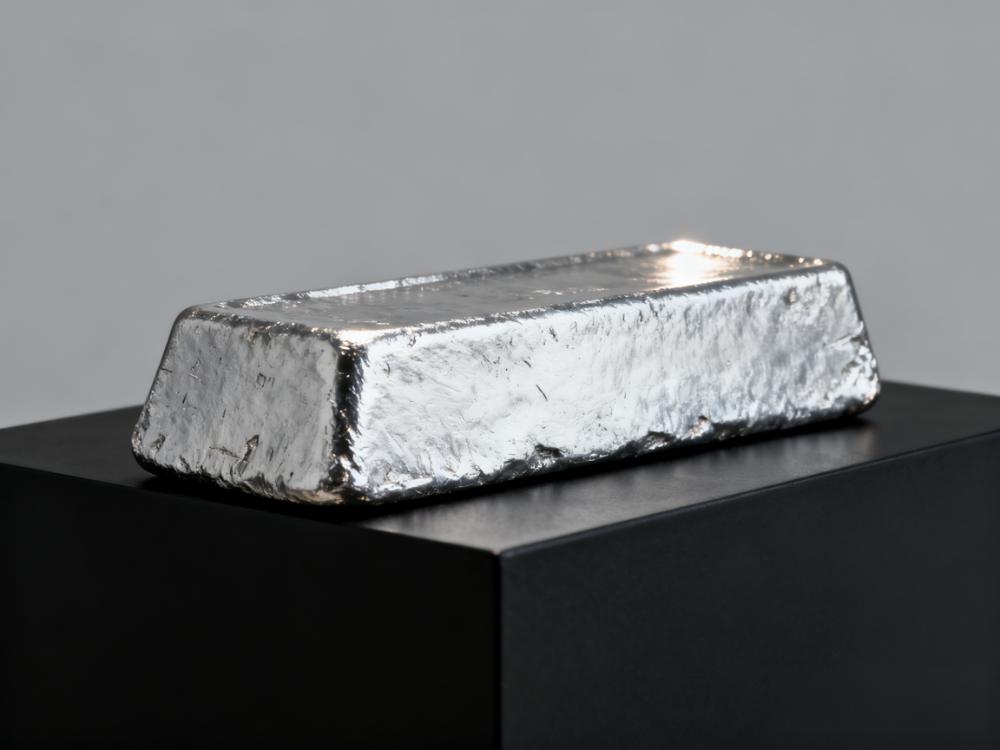
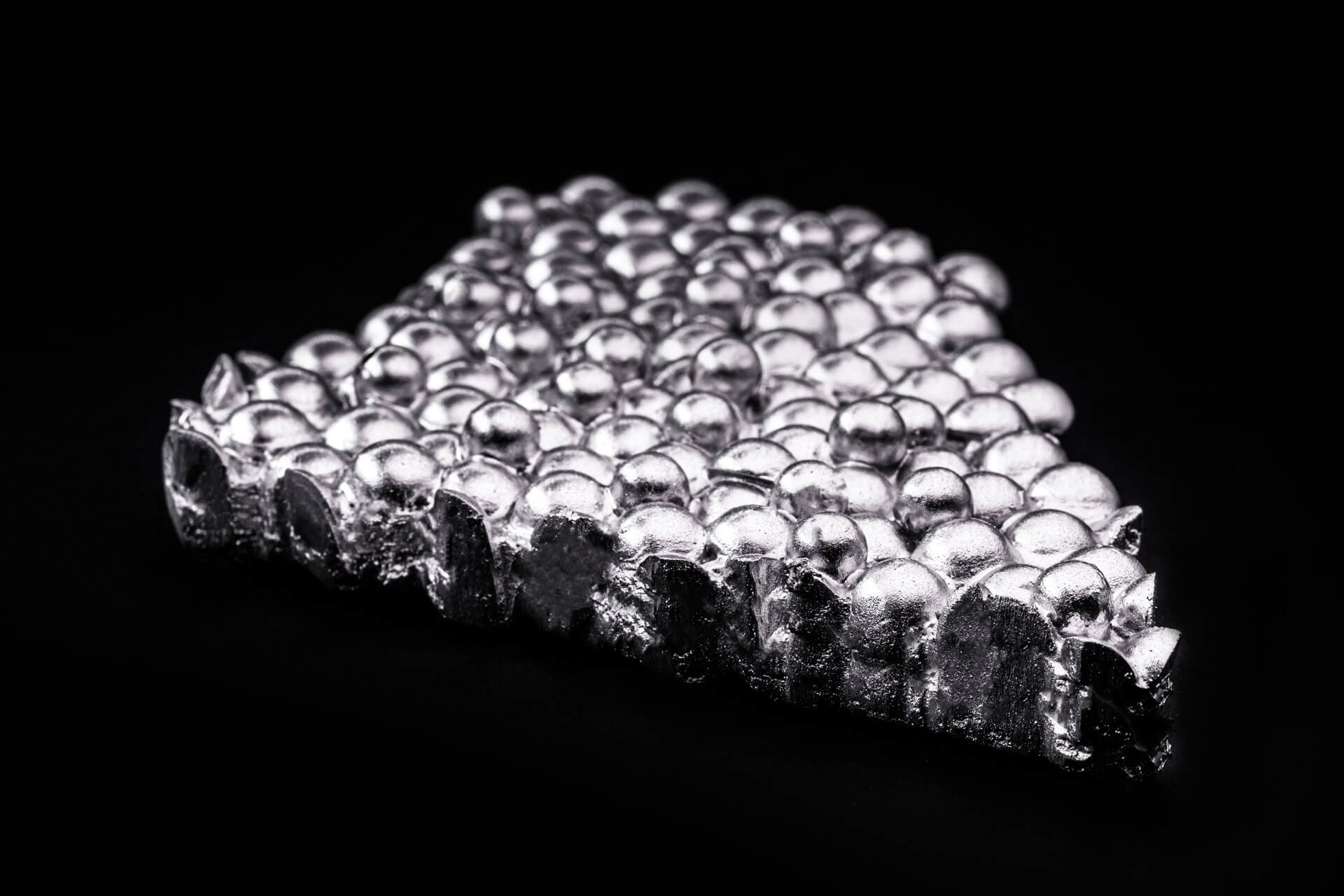
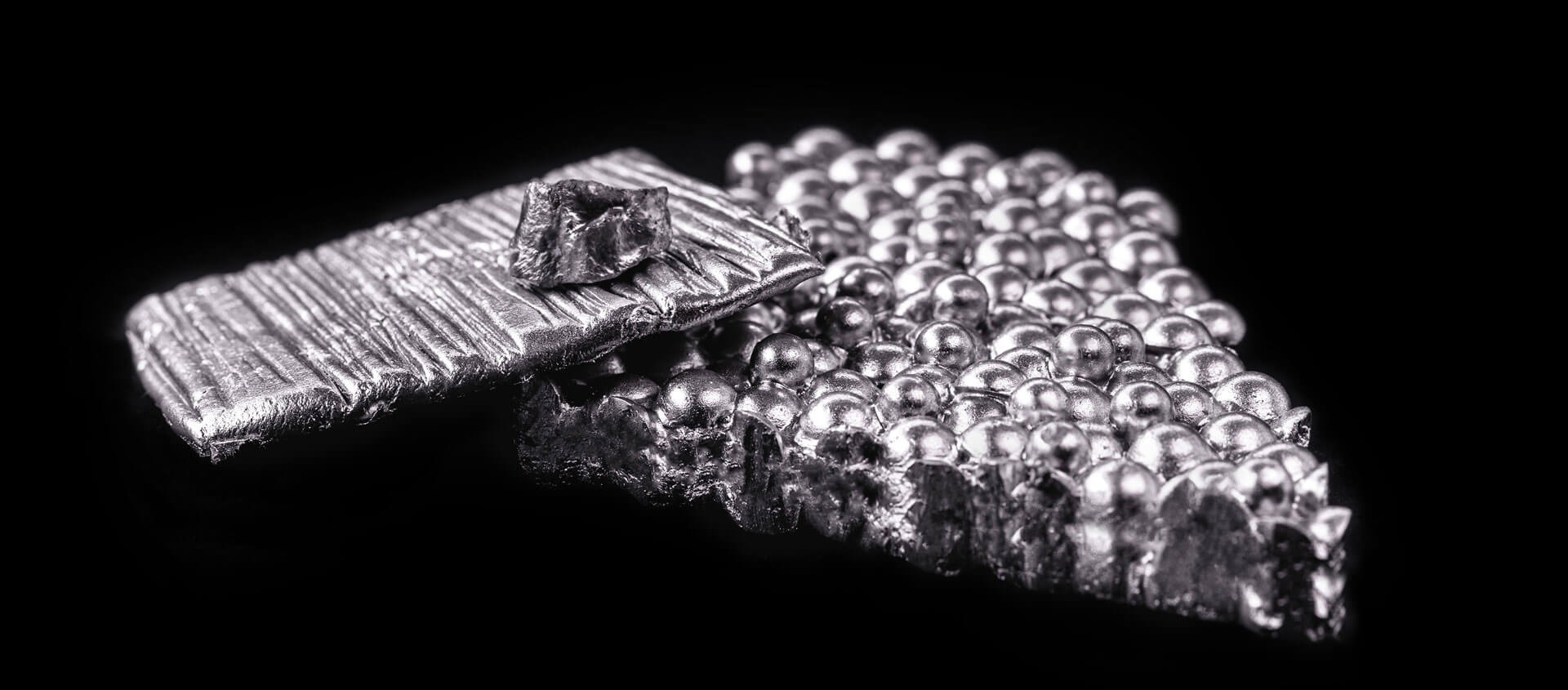
The trigger was the recent alleged death of Russian President Vladimir Putin in a prison in northern Russia, which led to the Biden administration's claim that it would begin to introduce more "significant" sanctions against Russia on February 23. White House national security adviser Jake Sullivan said the latest sanctions against Russia will target a range of projects, including defense, industry, and sources of economic revenue. On the other hand, the European Union approved the 13th round of Ukraine-related sanctions against Russia this week, and nearly 200 entities and individuals were blacklisted, including three Chinese mainland companies. These individuals and entities have been accused of helping Russia acquire weapons or being involved in the abduction of Ukrainian children. The most striking regulation of this round of sanctions is that the assets of companies or individuals on the sanctions list will be frozen in the EU. Based on the statements of the US authorities and the European Union's mention of Russian weapons, the market began to predict that this round of sanctions may involve Russian metals. It is worth paying attention to why the sanctions imposed by Europe and the United States on Russia have such a big impact on nickel prices? According to SMM statistics, more than 30% of overseas (excluding China) pure nickel production comes from Russian nickel, and more than 20% of global pure nickel production. This means that Russian nickel is one of the world's most important suppliers of pure nickel, and among all LME deliverable brands, Russian nickel accounts for about 20% of the deliverable capacity, and the current LME nickel inventory is about 70,000 tons, of which Russian nickel is the main delivery inventory product. According to SMM's global trade flow data observation, more than 20,000 tons of Russian nickel will be exported to the Netherlands in 23 years, and Rotterdam, the Netherlands, is home to one of the most important LME nickel delivery warehouses in Europe.
- The blockage of RKAB review and the strong operation of other products in the nickel industry chain have boosted nickel prices
- Nickel ore:
First of all, Indonesia's general election has been defeated, and there are obvious differences between the new President Prabowo and the previous President Jokowi in the development of "nickel", the former emphasizes economic self-sufficiency and protectionism, and advocates strengthening local industries and state intervention. The latter focuses on boosting the economy through infrastructure development, attracting foreign investment, and promoting the processing of mineral resources. The main reason that directly affects the recent strong nickel ore price trend is still the blockage of the approval of Indonesian nickel ore RKAB, which leads to the market's concern about the follow-up supply of nickel ore, which affects the strong trend of nickel ore prices. However, according to SMM research, the current issuance speed of RKAB is accelerating, and the tight supply of nickel ore may be eased in the near future.
- NPI:
In terms of ferronickel, from the perspective of supply and demand, the output of supply will decrease in February, indicating a trend of decreasing domestic supply. Indonesia's nickel pig iron production also declined, but was relatively stable overall. On the demand side, stainless steel production has decreased and may decline further due to the impact of the Spring Festival. Stainless steel demand in the Indonesian market has also declined, and this trend is expected to continue. In addition, the domestic government has proposed measures to eliminate outdated production capacity, which may further reduce domestic production capacity. Indonesia's slow progress in approving nickel ore quotas could lead to higher feedstock prices. Under the comprehensive influence, the short-term ferronickel price showed an upward trend.
- Nickel sulfate
In the first week after the holiday, nickel sulfate performed strongly, mainly due to the limited production of nickel sulfate during the Spring Festival, the reduction of supply, and the slow pace of resumption of production after the holiday, while the inventory of salt plants remained low, and the overall post-holiday supply was relatively tight. In this context, the demand side is expected to warm up in March, front-wheel drive orders have increased, and the downstream demand for nickel salts has increased. Therefore, the tight supply and demand pattern of nickel sulfate spot continues. In addition, affected by the decline in nickel prices in the early stage, MHP prices touched the cost of overseas projects, resulting in an increased risk of overseas production cuts and shutdowns, and the price sentiment of upstream raw materials became more and more high. According to SMM research, some salt plants will gradually resume normal production after the first month, and the supply of nickel salt may gradually recover later.
- Refined nickel
During the Spring Festival, the inventory of pure nickel still maintained a trend of accumulation, and the domestic inventory increased by more than 2,000 tons during the Spring Festival. On the supply side of pure nickel, although affected by the decrease in the Spring Festival holiday and the actual start date in February, the actual output of nickel plate is expected to decline slightly. However, some nickel companies still maintain a high operating rate of production, and new electronickel projects at home and abroad are expected to be put into operation in Q2, and the increase in pure nickel supply is expected to remain unchanged. On the demand side, pure nickel is still the most important downstream field of alloy electroplating, although the overall situation of the alloy industry is better than expected before the year, but affected by the Spring Festival, there is a certain shutdown and production reduction, resulting in a decline in downstream demand for nickel plates. In the field of electroplating, according to SMM research, electroplating orders declined slightly in the first week after the holiday, mainly due to the fact that some electroplating factories prepared inventory after the holiday in advance, and the downstream was more inclined to consume existing raw materials in the process of rising nickel prices. To sum up, the current fundamentals of pure nickel are still in a mismatch between supply and demand, and the long-term surplus of pure nickel is expected to remain unchanged.
- What is the future trend of nickel prices?
To sum up, the current nickel price has been affected by the price boost of other varieties in the nickel industry chain, and has been running strongly since the beginning of February. After the year, stimulated by macro news, nickel prices began to rise sharply. However, in the future, the price support of various varieties is limited. From a macro point of view, Russia's refined nickel has gradually reduced its exports of nickel plates to the United States and its allies since 2023, and it has stopped exporting directly to the United States since March 23. The market for Russian nickel has mainly shifted to China. Therefore, the impact of US sanctions on Russia on nickel metal is limited, and Russia is no longer dependent on the US market.
Please do not hesitate to contact Jean at jeantang@smm.cn or 86-19946295759 if you have any question or inquiry.