SHANGHAI, Sep 13 (SMM) – According to statistics, in the first half of 2023, there were a total of 22 provinces in China with peak-to-valley price differentials exceeding 0.6 yuan/kWh. Assuming a breakeven point of 0.7 yuan/kWh, this implied that 19 provinces had a viable economic profitability for commercial and industrial energy storage applications.
China’s commercial and industrial energy storage sector began to take off around 2016, initially relying heavily on government policy support and promotion. Only a few enterprises, due to factors such as electricity restrictions, were forced to have their own "energy storage" solutions. However, due to the nascent stage of policies for commercial and industrial energy storage and energy storage ancillary markets, the business models were not clear, resulting in a significant lag compared to the power generation and grid-side energy storage markets...
In recent years, with the gradual improvement of electricity pricing policies in local markets, the price difference between peak and off-peak electricity had been increasing. This had provided sufficient profit margins for commercial and industrial energy storage, driving rapid development nationwide. In 2021, the National Development and Reform Commission issued Notification on further Improving the Time-of-Use Electricity Pricing Mechanism. It gradually increased the price difference between peak and off-peak electricity, encouraging end-users to participate in peak shaving and valley filling to improve overall power supply conditions, promote power consumption and scientific distribution, and establish reasonable price differentials. In 2022, China's user-side energy storage finally experienced high growth. According to statistics, the newly added user-side energy storage capacity reached as high as 770 MW, with a growth rate of 104% YoY. Commercial and industrial energy storage became the main growth driver on the user side, accounting for approximately 85% of the new capacity.

Reason 1 for rapid growth: The gradual increase in peak and off-peak electricity price difference drove commercial and industrial energy storage profitability.
According to statistics, in the first half of 2023, a total of 22 provinces in China had a peak and off-peak electricity price difference exceeding 0.6 yuan/kWh. If 0.7 yuan/kWh was taken as the breakeven point, then 19 provinces had commercial and industrial energy storage with economic profitability. Among them, Guangdong province had a peak and off-peak electricity price difference of nearly 1.352 yuan/kWh, Hainan province was 1.099 yuan/kWh, Hubei province was 0.985 yuan/kWh, Zhejiang province was 0.97 yuan/kWh, and the fifth was Jilin province at 0.961 yuan/kWh.

If we assumed that the commercial and industrial energy storage system followed the typical charging and discharging patterns of "two charges, two discharges" daily, with a storage duration of 2 hours and a reasonable operational lifespan of 10 years, and considering a peak and off-peak electricity price difference of 0.7 yuan/kWh and an investment cost of 2 yuan/Wh for the energy storage system, the IRR for the commercial and industrial energy storage project could reach 11.8%. Profitability was expected, and the payback period was estimated to be less than 6 years.

Reason 2 for rapid growth: Decreasing raw material costs drove down the prices of energy storage systems.
The major components of commercial and industrial energy storage system investments included battery cells and PCS. In 2023, the price of lithium carbonate experienced roller-coaster-like fluctuations, gradually stabilizing at around 280,000 yuan/mt in the first half of the year. The price of lithium carbonate dropped from its peak of nearly 600,000 yuan/mt in 2022 to the current level. This significant decrease in the price of lithium carbonate would undoubtedly lead to a substantial reduction in the cost of electrochemical energy storage materials. Due to the time lag in price fluctuations, future price fluctuations caused by lithium carbonate prices would affect the entire battery cell industry chain, from mining to battery cells and end products.
Furthermore, the gradual replacement of key components such as IGBT in PCS with domestically produced alternatives would alleviate supply shortages. Localization further reduced costs. Therefore, it was expected that there was significant downward potential for energy storage investment costs. According to various estimates, energy storage system costs were expected to decrease by 30% or more in the next five years, with prices reaching around 1.2 yuan/Wh in the next ten years.
Reason 3 for rapid growth: Integration with distributed photovoltaics and policy subsidies supported commercial and industrial energy storage.
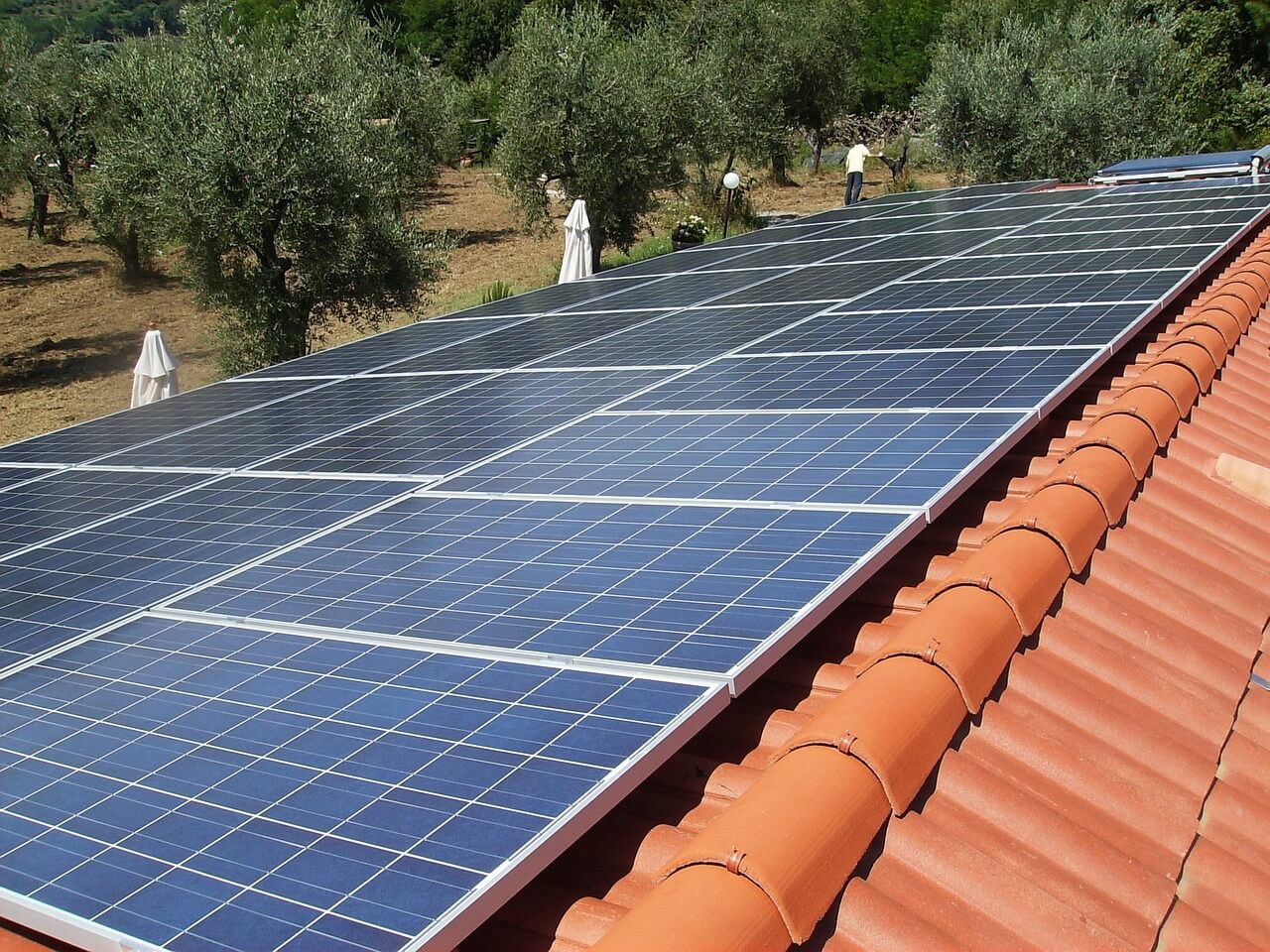
Currently, the policies for commercial and industrial energy storage were mainly focused on integration with distributed photovoltaics to facilitate the successful implementation of integrated solar PV and energy storage projects in various regions. Since 2022, provinces and cities such as Guangdong, Zhejiang, Jiangsu, and Anhui had not only expanded the price difference between peak and off-peak electricity prices but also provided direct subsidies for commercial and industrial energy storage. Direct subsidy policies had become one of the main methods for local governments to attract investment in energy transition projects. For example, in Wenzhou, businesses that achieved grid connection verification for their energy storage systems before June 30, 2023, were eligible for a one-time construction subsidy of 0.1 yuan/W based on the actual capacity of the energy storage project for users with a capacity system of 300 kWh or above.
In the future, driven by a triple force consisting of electricity price policies, raw material costs, and subsidy policies, China's commercial and industrial energy storage sector would enter a period of rapid development with its own distinct characteristics. This would enable the practical implementation, profitability, and safe utilization of commercial and industrial energy storage in China. In the coming years, Chinese commercial and industrial energy storage would steadily progress in a favorable and sustainable environment.