China PrNd Alloy Output Grew in February, Forecast for March

Published: Mar 9, 2023 14:43
Source: SMM
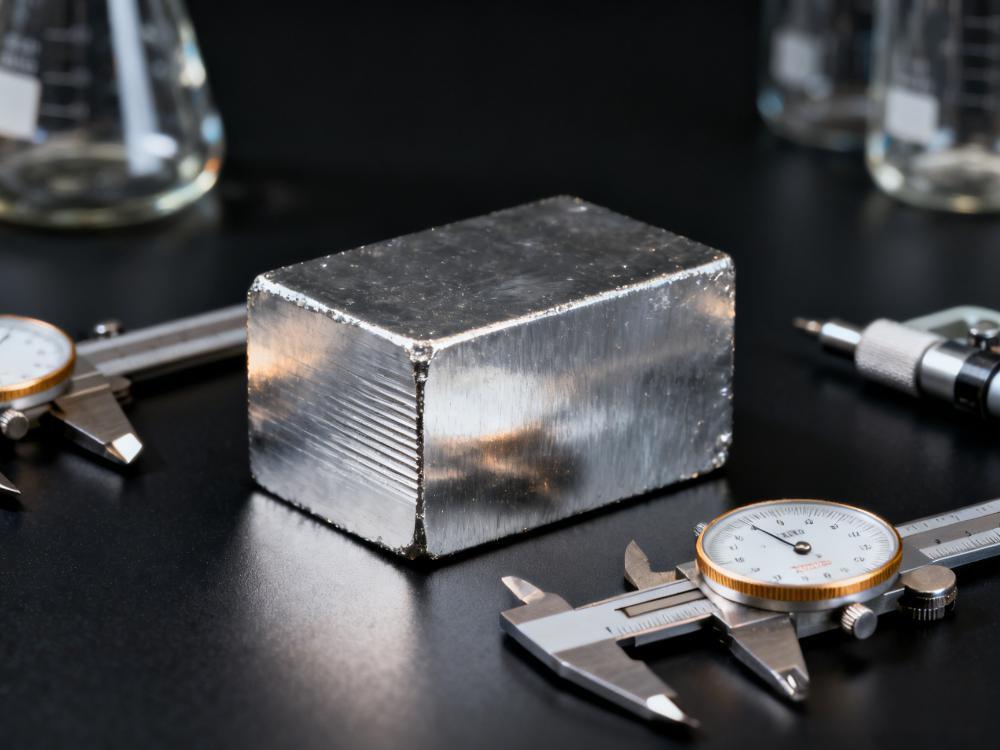
Domestic output of PrNd alloy in February 2023 stood at 5,244 mt, up 0.4% MoM.

SHANGHAI, Mar 9 (SMM) – Domestic output of PrNd alloy in February 2023 stood at 5,244 mt, up 0.4% MoM.

Sichuan accounted for most of the output growth, while the output in Jiangsu decreased slightly. Output in other regions changed little compared with January.

In February, the price of PrNd alloy remained on the downswing.

After the CNY holiday, the orders of downstream magnetic material enterprises remained sluggish. Most of them mainly worked through existing inventories.

However, considering that the reduction and shutdown of production will cause great losses to metal manufacturers, metal factories mostly maintained normal production despite the weak market. Some manufacturers even reported output growth. The output in Sichuan grew by 7.5% month on month.

SMM predicts that the output of PrNd alloy may continue to increase slightly in March 2023.

Data Source Statement: Except for publicly available information, all other data are processed by SMM based on publicly available information, market communication, and relying on SMM‘s internal database model. They are for reference only and do not constitute decision-making recommendations.

For any inquiries or to learn more information, please contact: lemonzhao@smm.cn
For more information on how to access our research reports, please contact:service.en@smm.cn
Related News
India Aims to Boost Rare Earth Magnet Production to 5,000 mt by 2030, Reducing Import Dependence
1 hour ago
India Aims to Boost Rare Earth Magnet Production to 5,000 mt by 2030, Reducing Import Dependence
Read More
India Aims to Boost Rare Earth Magnet Production to 5,000 mt by 2030, Reducing Import Dependence
India is expected to increase domestic production of rare earth permanent magnets, such as lithium, targeting 5,000 mt by 2030. This move aims to reduce reliance on imports and gradually establish a solid foundation for critical minerals in China.
1 hour ago
Lynas to Produce Rare Earth Metals in Vietnam with LS Eco Energy, Focusing on Samarium
1 hour ago
Lynas to Produce Rare Earth Metals in Vietnam with LS Eco Energy, Focusing on Samarium
Read More
Lynas to Produce Rare Earth Metals in Vietnam with LS Eco Energy, Focusing on Samarium
Australian producer Lynas Rare Earths is working to produce rare earth metals at a plant in Vietnam that will be built by South Korean company LS Eco Energy, with priority initially given to the production of samarium. Lynas said that under a preliminary agreement, it will supply rare earth oxides to LS Eco Energy’s rare earth metal plant expected to be established in Vietnam for further processing.
1 hour ago
Vietnam Announces New Rules banning the Export of Rare Earth Minerals that Do Not Meet Deep-processing Standards
4 hours ago
Vietnam Announces New Rules banning the Export of Rare Earth Minerals that Do Not Meet Deep-processing Standards
Read More
Vietnam Announces New Rules banning the Export of Rare Earth Minerals that Do Not Meet Deep-processing Standards
The Ministry of Agriculture and Environment in Vietnam has issued Consolidated Document No. 21/VBHN-BNNMT, detailing a number of provisions, including regulations on the management of rare earth elements. Specifically, in addition to complying with regulations on strategic and important minerals, the surveying, exploration, exploitation, processing, and use of rare earths must follow the national rare earth usage strategy. Activities related must ensure the principles of resource protection, environmental protection, and sustainable development; link extraction and processing with deep processing to increase added value and ensure technological self-reliance; not export rare earth minerals that have not met the required deep-processing standards; and only export deeply processed products.
4 hours ago