SHANGHAI, Dec 28 (SMM) - At present, aluminium scrap mainly comes from the casting and extrusion process in the transportation and construction sectors, and it is mostly used for the production of secondary aluminium alloy ingots. In detail, aluminium scrap is involved in the following sectors and products. Construction sector: doors and windows; the transportation sector: scrapped automobile; the durable consumer goods sector: refrigerators, air conditioners, washing machines, microwave ovens, televisions, and computers; the packaging sector: beverage cans; the machinery secotr: heavy machinery, smelting machinery, machine tools, agricultural machinery and construction machinery.
The service life of aluminium products in different end sectors varies, which depends on four factors. First, the service life of some products are subject to customer habits. Second, the economic recession will prolong the service life of some products. Third, service life of some products is mandated in some policies. For example, strict emission standards shorten the service life of outdated products, and urban planning and urban renewal projects also narrows the service life of the products used in the construction sector. Fourth, at the technical level, quality improvement will extends a product’s service life, while frequent technology upgrades will shorten its service life.
In the past 20 years, the acceleration of urbanisation has shortened the service life of various consumer goods. For instance, the actual service life of building materials such as doors and windows is lower than the designed life. The house demolition in large scale has been prohibited since 2021, which posts higher demand on the quality of buildings, so the service life of building materials may be partially increased. The service life of durable consumer goods has shortened with the improvement of living standards.
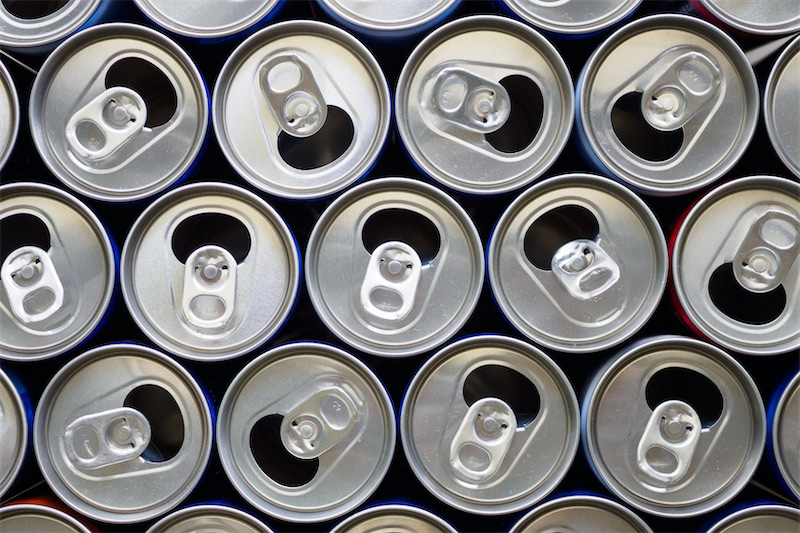
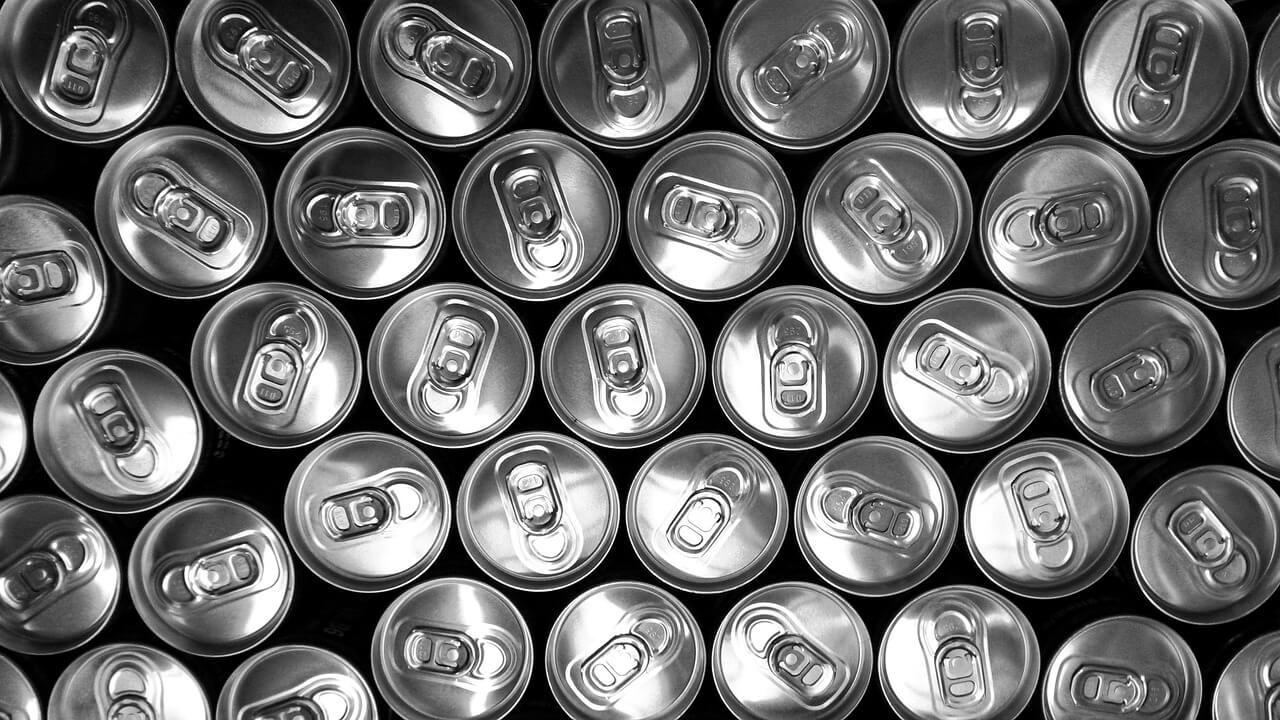
Affected by the levels of recycling systems in different terminal sectors and the different aluminium contents of diverse products, the recovery rates of end sectors differ greatly. So do the aluminium recovery rate of different products. The recovery rate refers to the proportion of scrap products recycled through formal process, and aluminium recovery rate refers to the proportion of pure aluminium that could be produced from the scrap as there will be aluminium loss and removal of impurities during the process of recycling. For example, although cars in the transportation sector are required to be scrapped, but no mature recycling methods have been established. As a result, a large number of scrapped cars flow into the second-tier market after maintenance, and the recovery rate is low. In terms of aluminium beverage cans, with the improvement of China's waste classification system, the recycling of aluminium beverage cans has been optimised. The recovery rate has increased significantly thanks to the easier process of recycling. In terms of doors and windows, the recovery rate is high since the aluminium consumption is huge and it is easy to dismantle doors and windows made of aluminium alloys. Aluminium scrap in China mainly stems from the transportation, construction, packaging and power industries. The total output of aluminium scrap in China will reach 6.02 million mt in 2022, and it is predicted to total 19.15 million mt in 2042. China’s industries have been developing vigorously since 2022. The use of aluminium products has increased year by year, and the output of aluminium scrap will follow the trend in the future. At the same time, China has a huge demand for industrial raw materials. In this context, under the carbon peak and carbon neutrality policy, the construction of China's aluminium scrap recycling system will continue to improve in the future, with recovery rate lifted gradually. In general, the automotive and construction sectors are the main sources of aluminium scrap. As the automobile sector transforms towards lightweight, the use of aluminium in car production has increased, which will drive the increase in the output of aluminium scrap from cars in the future. As for construction sector, the previous favourable policies have contributed to a large increase in new construction area, so the aluminium scrap in this sector also embraces huge potential. Moreover, China's real estate sector used to develop rapidly before 2018. When the products in real estate sector should be scrapped in 2038, the amount of aluminium scrap generated in the construction sector will exceed that in the transportation sector. By then, the construction sector will become China's largest source of aluminium scrap.
The secondary aluminium alloy has become the main destination of aluminium scrap supply, and with the development of the recycling system, remelted aluminium billets as well as aluminium plate/sheet, strips and foil products will achieve rapid growth. After 2018, the stricter import policy has reduced China's aluminium scrap imports sharply. In 2021, such a policy seemed to loosen with the expanded capacity of downstream sectors. SMM believes that the policy will continue to ease in the next five years. With service life of aluminium products approaching the end, the domestic aluminium supply will keep growing in the 10 years ahead, which suggests that the aluminium dismantling sector will see great advancement. It is known that China's secondary casting aluminium alloy sector consumes the largest amount of aluminium scrap. In 2021, the scrap consumption of ADC12 secondary aluminium alloy accounted for 71% of the total aluminium scrap consumption. In the future, with the optimisation of the recycling system, remelted aluminium billets as well as aluminium plate/sheet, strips and foil products will achieve rapid growth.