Some Aluminium Capacity in Europe May Be Gone Forever amid Ongoing Energy Crisis

Published: Sep 5, 2022 14:57
In the aluminium industry, closing a smelter is a painful decision. Because once the power goes out and the production facility cools to room temperature, it will take months and tens of millions of dollars to restore.

In the aluminium industry, closing a smelter is a painful decision. Because once the power goes out and the production facility cools to room temperature, it will take months and tens of millions of dollars to restore.

However, with the cut-off of Gazprom supply and the intensifying energy crisis, the European aluminium industry seems to be facing an unprecedented "crisis of survival".

Norsk Hydro, one of the world's largest aluminium companies, is seeing its large plant in Slovakia face a potential shutdown. Not only that, but aluminium production in Europe has fallen to its lowest level since the 1970s.

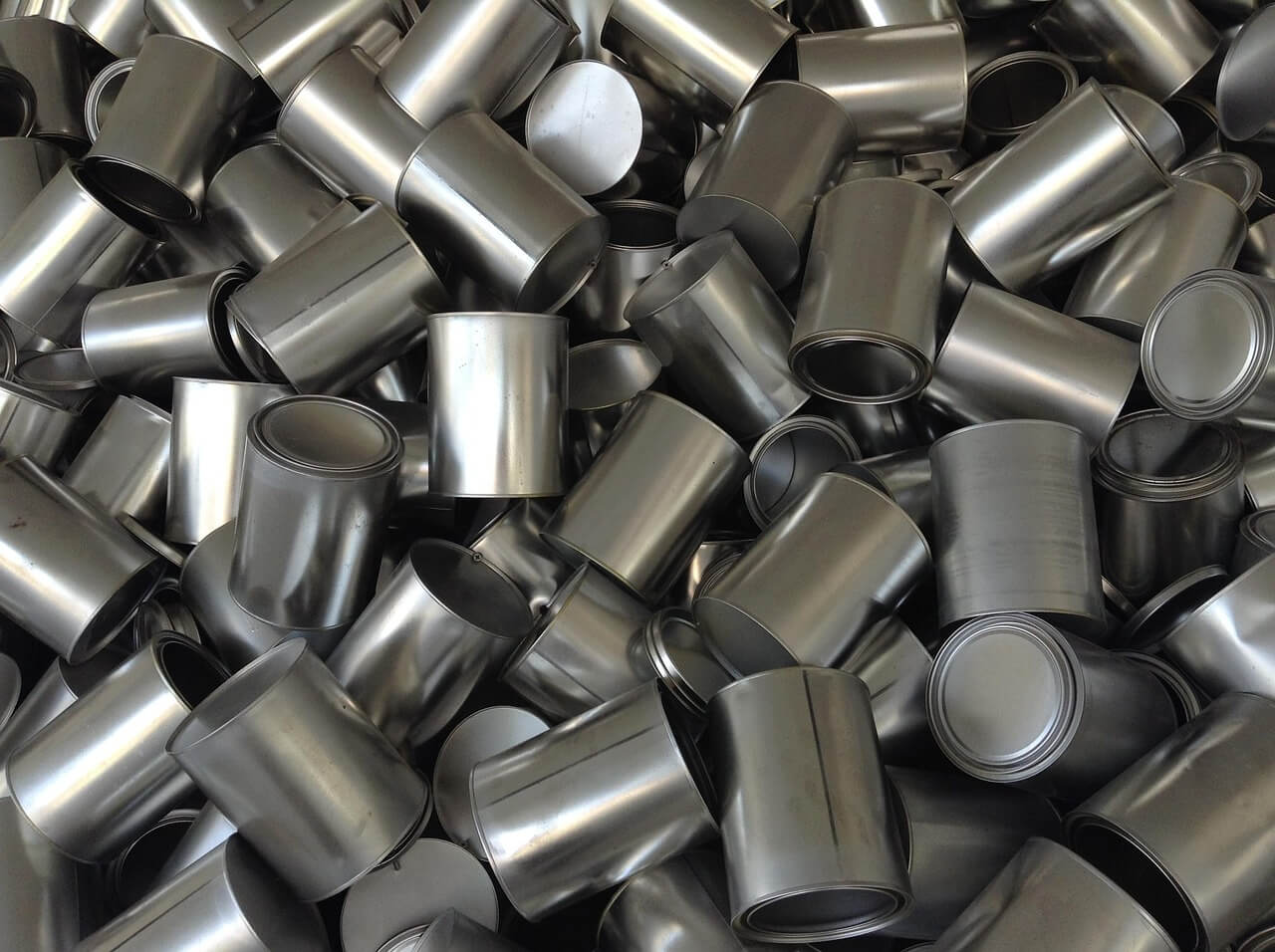
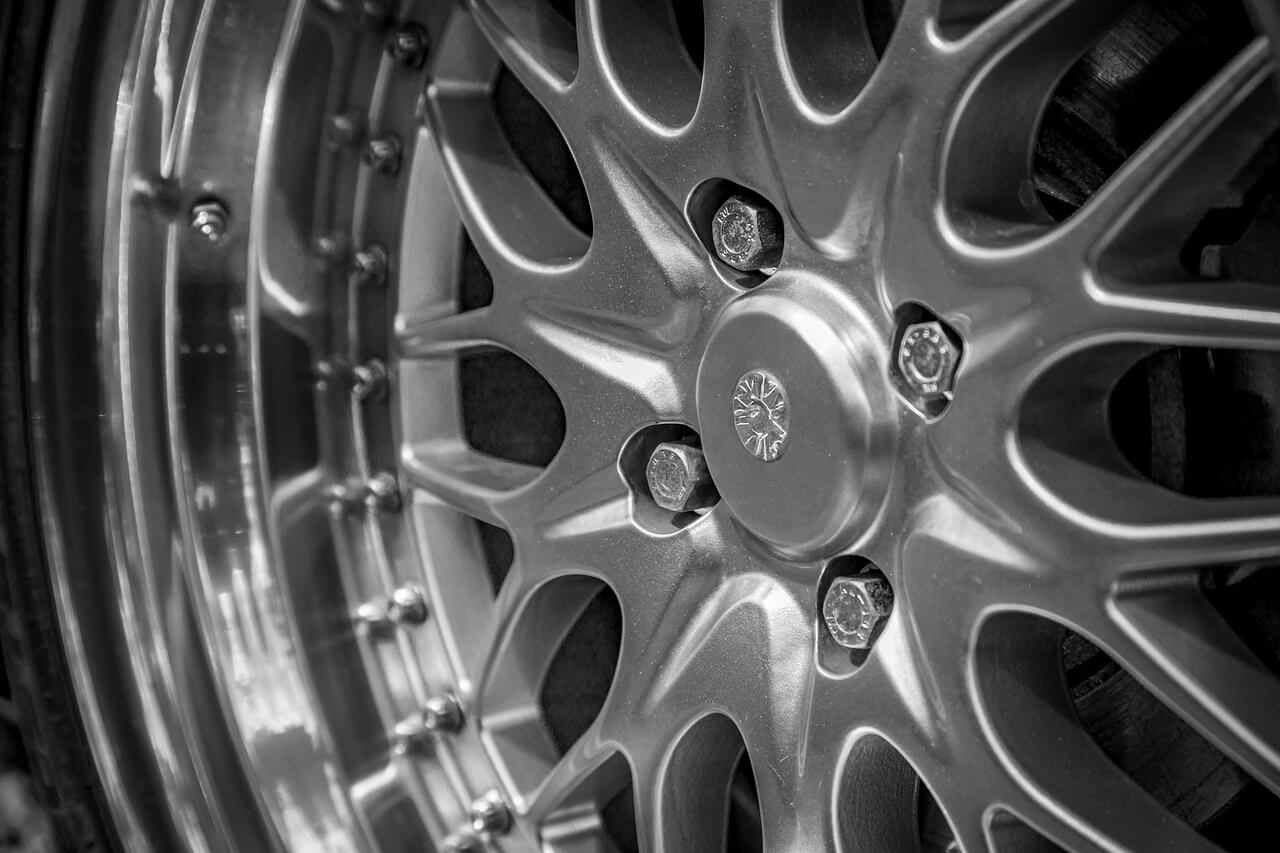
In fact, the reason can be seen in aluminium's nickname - condensed electricity. The metal is used in almost everything from car frames and soda cans to ballistic missiles, but its production requires enormous amounts of energy. Data show that it takes about 15 megawatt-hours of electricity to produce one tonne of aluminium, enough to power five German households for a year.

Shutting down and restarting is expensive

Based on the recent market prices, the Slovakian smelter's annual electricity bill will be around 2 billion euros, said Milan Vesely, chief executive of Hydro. The company decided to close the smelter in Slovakia due to soaring energy prices and a lack of emissions offsets for smelters in some parts of the European Union.

Restarting the plant could take up to a year, Vesely said in an interview at the plant this week, and could only be achieved through a combination of lower electricity prices, a sharp rise in aluminium prices and additional government support.

“If we don't want to disrupt aluminium production in Europe, we have to act. If Europe considers aluminium to be a strategic metal, then aluminium smelters should have (preferential) electricity prices. " he added.

“This is a real survival crisis," said Paul Voss, director general of European Aluminium, an industry group.

Mark Hansen, chief executive of metals trading firm Concord Resources Ltd., said, "History has shown that once aluminium smelting capacity is gone, it's not coming back."

Uday Patel, senior research manager at research firm Wood Mackenzie, said: “Whenever economic growth slows and smelters’ profit margins come under pressure, we see European smelters shut down quite a bit of capacity. When the situation improves, some smelters never resumes the production. "

Patel said that he expects about 25% of that capacity could be permanently cut.

Wood Mackenzie estimates that European aluminium production has already fallen by about 1 million mt a year, with an additional 500,000 mt of capacity "highly likely" to be shut down.

Data Source Statement: Except for publicly available information, all other data are processed by SMM based on publicly available information, market communication, and relying on SMM‘s internal database model. They are for reference only and do not constitute decision-making recommendations.

For any inquiries or to learn more information, please contact: lemonzhao@smm.cn
For more information on how to access our research reports, please contact:service.en@smm.cn
Related News
[SMM Aluminum Flash News] AISTER Wins USD 4.3 Million Contract for Aluminum Catamaran
1 hour ago
[SMM Aluminum Flash News] AISTER Wins USD 4.3 Million Contract for Aluminum Catamaran
Read More
[SMM Aluminum Flash News] AISTER Wins USD 4.3 Million Contract for Aluminum Catamaran
[SMM Aluminum Flash News] AISTER Wins USD 4.3 Million Contract for Aluminum Catamaran
Spanish shipyard AISTER has secured a USD 4.3 million contract to build the all-aluminum passenger catamaran “Jeune France II” for Saint-Pierre et Miquelon, with delivery scheduled for September 2027. The 22.5-metre vessel will carry up to 100 passengers and features beach-landing capability and a hydraulic bow ramp for light vehicle transport. Its propulsion system combines diesel engines and electric drive in a hybrid configuration compliant with IMO Tier III standards, enabling low-emission and silent operation at low speeds and in ports. The company said the project reflects growing demand for flexible, low-emission aluminum vessels.
1 hour ago
[SMM Aluminum Flash News] Libya’s Aluminum Scrap Exports to Brazil Surge Amid Trade Shift
1 hour ago
[SMM Aluminum Flash News] Libya’s Aluminum Scrap Exports to Brazil Surge Amid Trade Shift
Read More
[SMM Aluminum Flash News] Libya’s Aluminum Scrap Exports to Brazil Surge Amid Trade Shift
[SMM Aluminum Flash News] Libya’s Aluminum Scrap Exports to Brazil Surge Amid Trade Shift
Trade between Libya and Brazil showed clear divergence in Q1 2026. Libya’s aluminum scrap exports to Brazil surged, driving total exports up 347.4% YoY to about USD 1.7 million. Meanwhile, Brazil’s exports to Libya fell 57.2% to USD 94.19 million, though Brazil still maintained a trade surplus of about USD 92.4 million. Brazilian exports mainly included iron ore, poultry, beef, tobacco and coffee, with iron ore accounting for about 36.8% of the total. Overall bilateral trade fell 56.5% YoY to USD 95.9 million, while rising aluminum scrap flows reflected changing dynamics in recycled resource trade.
1 hour ago
Geopolitical Tensions Boosted LME While China Inventory Buildup and Weakening Demand Kept Prices Under Pressure [SMM Aluminum Morning Meeting Minutes]
3 hours ago
Geopolitical Tensions Boosted LME While China Inventory Buildup and Weakening Demand Kept Prices Under Pressure [SMM Aluminum Morning Meeting Minutes]
Read More
Geopolitical Tensions Boosted LME While China Inventory Buildup and Weakening Demand Kept Prices Under Pressure [SMM Aluminum Morning Meeting Minutes]
[Geopolitical Tensions Boost LME, China Inventory Buildup and Weakening Demand Under Pressure] In the short term, the core pattern of LME outperforming SHFE in the aluminum market is difficult to reverse. The strength in LME will support room for SHFE aluminum to catch up after the holiday, but high inventory and weak demand in China will suppress overall gains. Going forward, the focus should be on the pace of aluminum ingot destocking in China and the strength of rigid demand release from downstream resumption of work and production resumptions.
3 hours ago