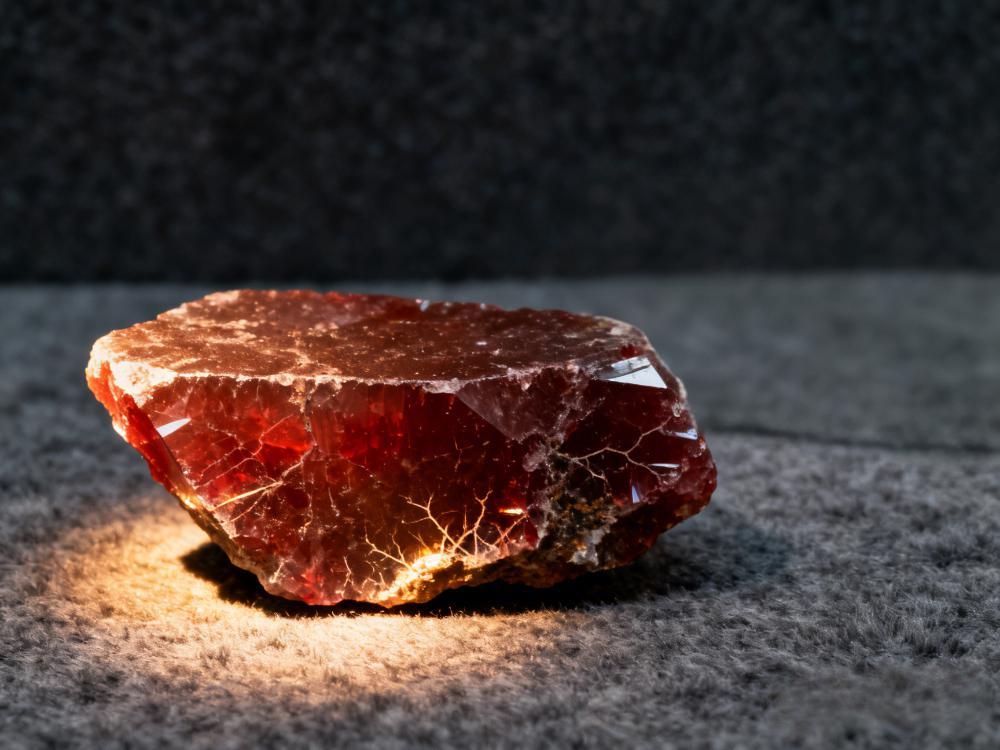
SHANGHAI, Aug 8 (SMM) - China imported a total of 44,827 mt of rare earth ores in first half of 2022, a decrease of 17% YoY. Among them, the imports of rare earth metal ore was 41,243 mt, a year-on-year increase of 15%; mixed rare earth carbonate 1,296 mt, a year-on-year decrease of 62%; and unlisted rare earth oxides 2,289 mt, a year-on-year decrease of 84%.
In the first half of this year, the imports of light rare earth ore grew 15% year-on-year, all of which came from MP in the United States. In February and March, the MP operated smoothly, and the import volume rose significantly year-on-year. Due to the equipment maintenance of MP in March and April, the monthly production was reduced by about 30%. In addition, the international situation was complicated and the transportation restriction aggravated, hence the import of rare earth ore contracted in April and May. As such, import increment in the first half was limited.
Also in the first half of the year, the import volume of middle and heavy rare earth ore declined 80% year-on-year, with a total import of 3,586 mt, and about 53% was from Myanmar. In detail, no mixed rare earth carbonate was imported from Myanmar from January to June, and 1,895 mt of unlisted rare earth oxides were imported, a year-on-year decline of 85%. Since 2019, the imports of mixed rare earth carbonate from Myanmar decreased year by year. From 2019 to 2021, the proportion of mixed rare earth carbonates imported from Myanmar stood at about 84%, 71%, and 14% respectively. On the other hand, unlisted rare earth oxides from Myanmar account for a relatively large proportion at 84%, 90% and 87% respectively in 2019-2021. Domestic middle and heavy rare earth ore mining quotas have not increased in recent years, and domestic mining is strictly controlled. With the development of the downstream industry, the demand for rare earths is growing rapidly, so the supply of ion ore in China becomes relatively tight. In other words, China is heavily reliant on the imports from Myanmar. The decrease in the imports from Myanmar also caused some domestic separation enterprises that rely on imported ores to reduce or even stop the production.
Monazite also contains elements such as praseodymium, neodymium, dysprosium and terbium, which can be processed into chlorinated flakes to be used by separation enterprises. In the first half of 2022, monazite imports amounted to 12,125 mt, a year-on-year decrease of 53%. Among them, 6,219 mt came from Thailand, accounting for 51% of the total.
At present, although the supply situation at the mine end is lacklustre, the downstream demand situation is not robust either. Affected by the domestic pandemic and the economic situation, the consumption has contracted. The demand in the first quarter was sound except for the Chinese New Year holiday, and the overall terminal demand declined in the second quarter. In the short term, the terminal demand is still everything but optimistic, and the orders received by magnetic material enterprises declined as a whole, resulted in production curtailment ranging 20-40%. Magnetic material companies created less demand for metal amid falling orders. Coupled with the continuously weakening rare earth market and lack of confidence in the market outlook, the purchase rhythm has slowed down, and magnetic material companies stood wait-and-see while reducing the in-plant stocks.
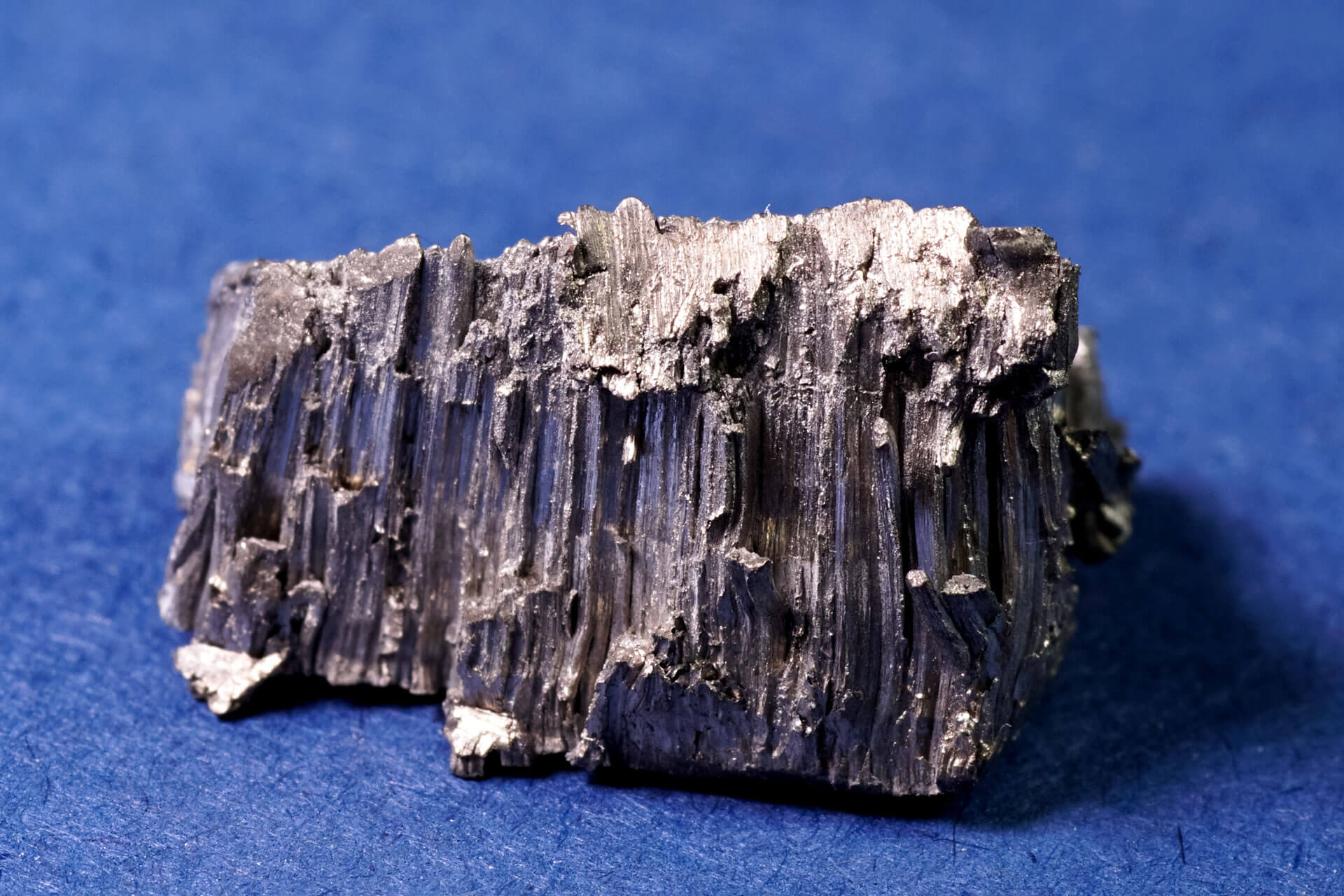
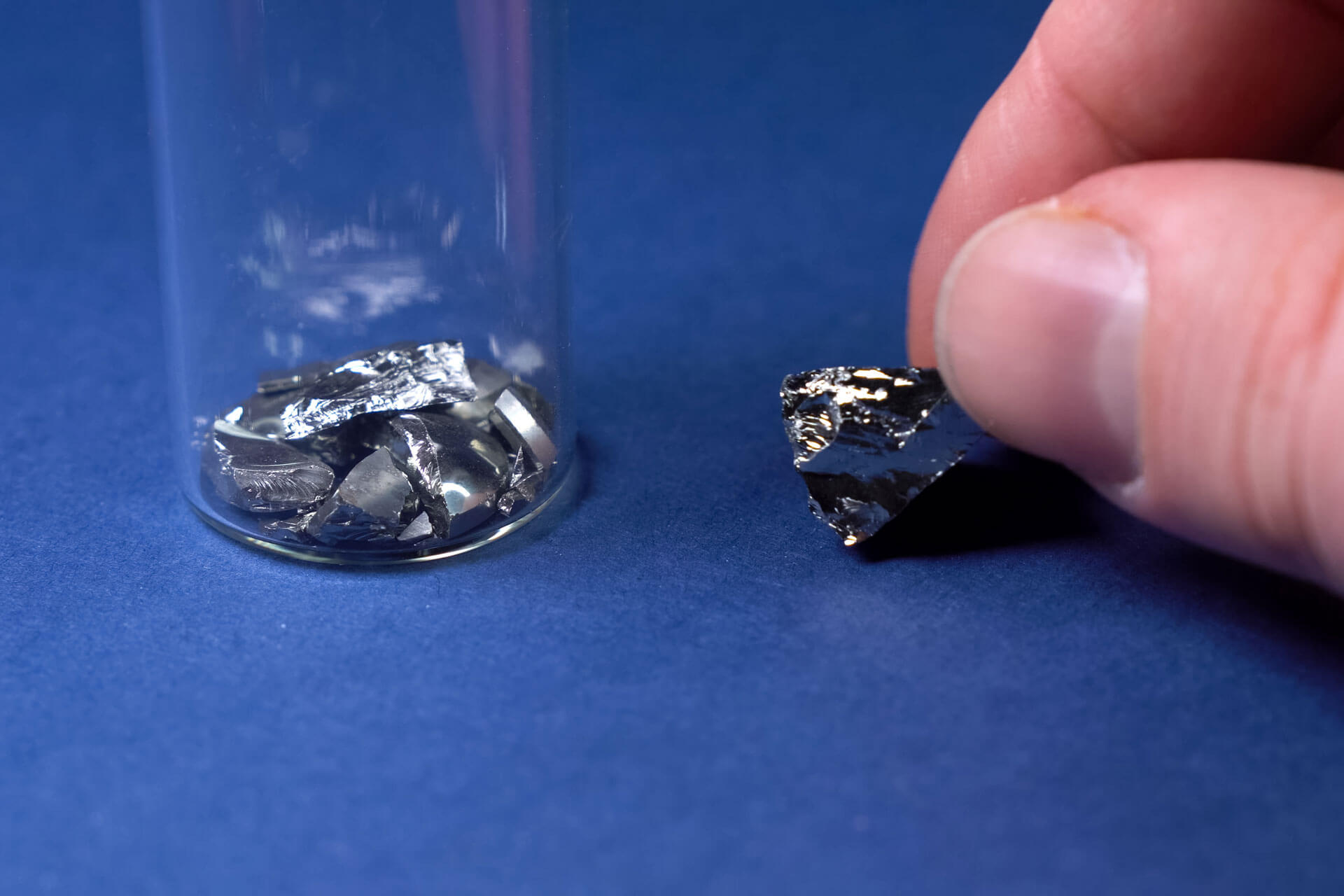
The prices of PrNd products have been falling for two months mainly due to sluggish demand and poor orders from magnetic material companies. It is heard that some companies have directly or in disguise cancelled the long-term orders, alluding weaker confidence in the market. The PrNd oxide prices fell from a high of 1.1 million yuan/mt this year to 755,000 yuan/mt, a drop of 345,000 yuan/mt and 31.4%. The upstream separation enterprises are not very willing to lower the prices steeply, and it is difficult for the downstream demand to recover either.
Some industry players wait and see the list price of Northern Rare Earth this month, which will affect the market confidence to a certain extent. But whether the rare earth market could gain support is still mainly determined by the supply and demand. In 2022, the Ministry of Industry and Information Technology released the first batch of rare earth mining quotas, of which the light rare earth quota rose 20% year-on-year, and the middle and heavy rare earth quota remained unchanged. The second batch of mining quotas has not yet been released, and some industry players are more concerned about the changes in light rare earth quotas in the second half.
As for the demand side, the order situation of magnetic material enterprises is greatly affected by the demand in the terminal end. At present, the demand for new energy vehicles is ramping up, while the demand for rare earth permanent magnets in fields such as wind power generation, energy-saving elevators, inverter air conditioners, and consumer electronics has contracted. The overall demand is still not optimistic. Furthermore, the pandemic situation and volatile international dynamics have dragged down the overall economic recovery, and people's consumption capacity could hardly boom.
The future rare earth market will be subject to the development of supply and demand. If the supply increases and the demand side recovers slowly, rare earth prices will remain on the downward track.