Since the outbreak of the conflict between Russia and Ukraine, large Western companies have withdrawn from the Russian market or cut off business relations with Russia. But documents show that Tesla, like most other big carmakers, still does business with at least one Russian supplier.
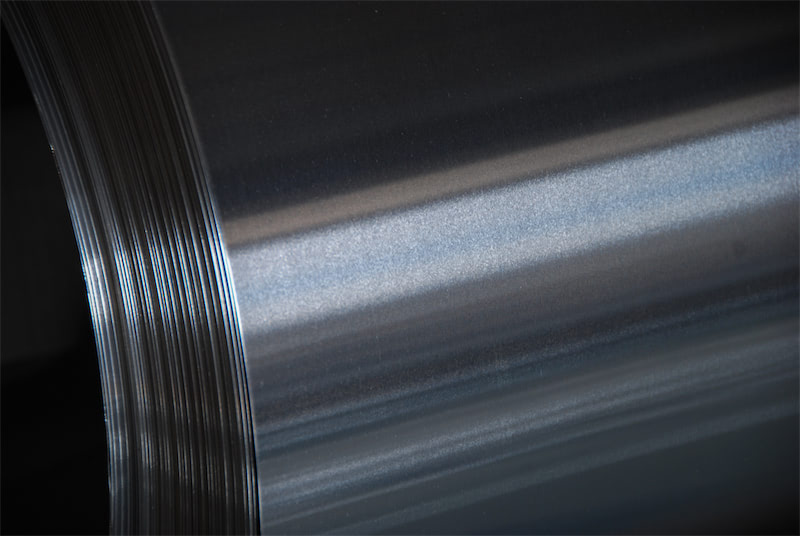
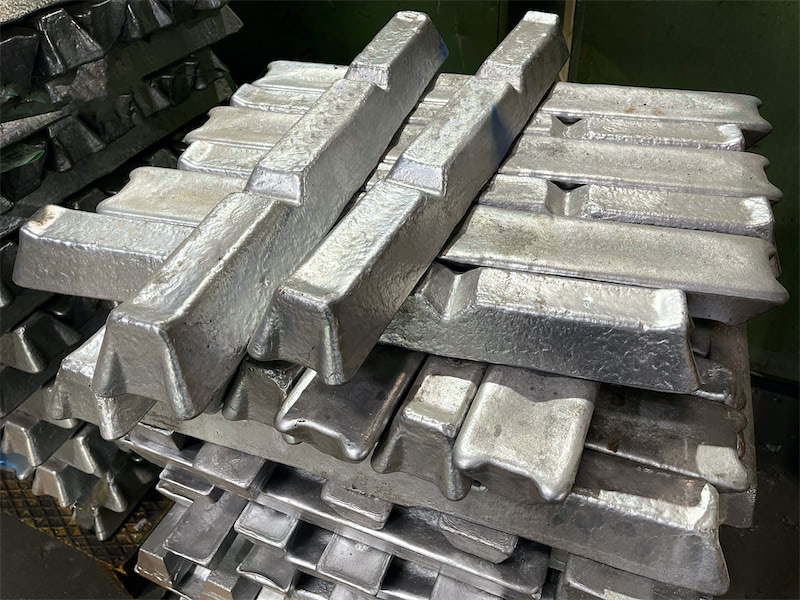
Tesla has bought millions of euros worth of aluminium from (Rusal), a Russian aluminum company founded by Oleg Deripaska (Oleg Deripaska), a Russian oligarch sanctioned by western countries, according to internal documents obtained by the media.
In fact, Rusal was also sanctioned by the US Treasury, but these sanctions were lifted during the term of office of former President Trump (Donald Trump), that is, in 2019. Tesla didn't start buying aluminum from the company until the end of 2020. According to invoices, internal communications and several current and former employees who spoke on condition of anonymity, Tesla bought Rusal aluminum for casting parts at a new car assembly plant built on the outskirts of Berlin.
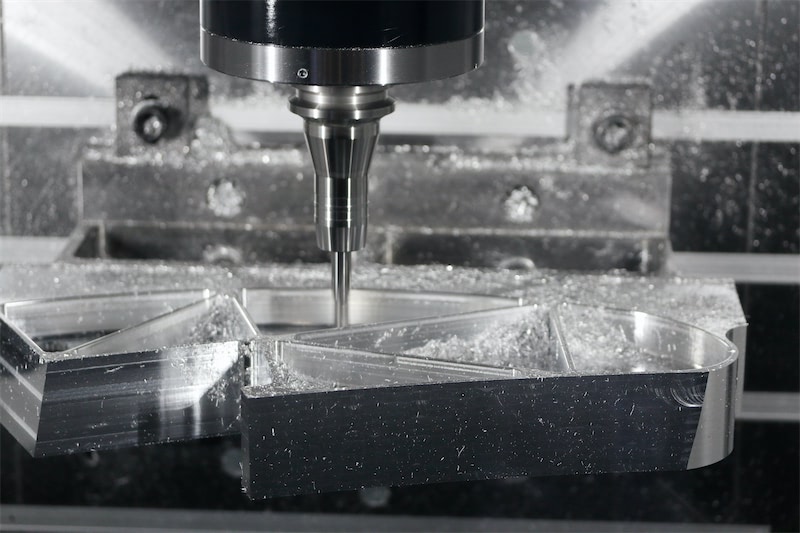
It is reported that the aluminum can be used in Tesla Model Y casting and body shell, and has been used in the production of the new production line of Tesla factory in Brandenburg, Germany. Tesla's Berlin plant is not yet fully operational, but it has recently received conditional approval and will soon start commercial production. However, there is no sign that Tesla is using Rusal's aluminum in U. S. production.
Of course, it is not uncommon for Tesla to work with at least one Russian supplier. According to Interos, a US-based global supply chain and risk management research firm, the world's top 10 automakers generally buy products from at least one Russian first-tier supplier.
Rusal is the world's second-largest aluminium supplier and was once one of the largest companies on the US sanctions list. Oleg Deripaska (Oleg Deripaska), the billionaire founder of Rusal, agreed to relinquish control in January 2019, and EN+ Group International, Rusal's parent company, appointed new directors to meet the requirements of the US Treasury for independent directors.
Deripaska then sued the U.S. Treasury and its Office of Foreign assets Control in an attempt to reverse sanctions on his personal wealth and reputation. The judge dismissed the case, but Deripaska is still on appeal.
Rusal has not been sanctioned by the United States since the conflict between Russia and Ukraine broke out in 2022. EN+ Group International, Rusal's controlling shareholder, is reportedly considering transferring the company's international assets to a new entity without Russian owners, management or control. Rusal declined to comment.
In fact, Rusal is not Tesla's only or major aluminum supplier. For example, Tesla has worked for many years with Norwegian metals giant Hydro (Norsk Hydro A.S.), which is a more important aluminum supplier. According to Hydro's website, the company has aluminum production facilities in Europe, Canada, Australia, Brazil and Qatar.
But according to invoices and other documents seen by the media, Musk's car company has paid millions of euros to Rusal since the end of 2020. A German subsidiary of Tesla used to make payments to Rusal's Swiss subsidiary through an Austrian bank.
According to Interos, which uses machine learning software to monitor global supply chains, the world's top 10 carmakers all have at least one direct supplier in Russia, and 27 Russian companies supply these companies directly. The four largest automakers in the United States have direct or close indirect relationships with 13 different Russian suppliers.
Jennifer Bischelli, chief executive and founder of Interos, said, "the conflict between Russia and Ukraine is actually a threat to the global supply chain. We are cutting off part of our mature supply chain through sanctions and war. Companies are doing two things to deal with it-one is to hoard and buy as much as possible and as quickly as possible. In addition, they are looking for alternative sources, whether from elsewhere or other metals or materials that can be used as alternatives. "
Kristen Pinia (Kristine Pirnia), who is in charge of export control and sanctions at the law firm Sandler,Travis&Rosenberg, also talked about the damage to the auto industry caused by the conflict between Russia and Ukraine in an interview.
Pirnia points out that even if carmakers'co-operation with Russian suppliers is legal and morally justified, the complexity of sanctions and legal compliance against banks may make it almost impossible for them to continue to do so.
"there is no one-size-fits-all rule, which means you have to do a multi-step analysis of every transaction related to Russia," Pirnia said. "
Pirnia explained that while automakers are trying to understand what changes their business will have to make when the new sanctions are imposed in order to continue to comply with the new sanctions, the industry's biggest concern is that because Western governments attach great importance to the banking sector, they may not be able to conduct financial transactions with these Russian companies.
On Friday, U.S. President Joe Biden (Joe Biden) urged Congress to join the European Union and suspend normal trade relations with Russia, which would put Russia on a par with Cuba or North Korea and could make Russian metals prohibitively expensive for American companies such as Tesla in the long term.