Sibanye-Stillwater (JSE: SSW) (NYSE: SBSW) has abandoned its $1 billion acquisition of Brazil's Santa Rita nickel mine and Serrote copper mine, which would have boosted its growing battery metal portfolio.
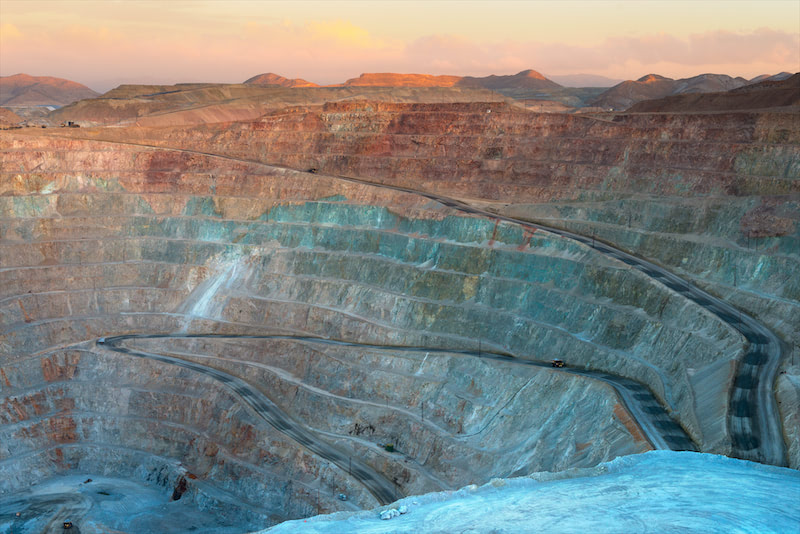
The South African miner said the decision was made after a "geotechnical incident" in Santa Rita (Santa Rita), one of the world's largest nickel-cobalt sulphide open-pit mines, which it described as "significant and adverse to business".
The deal with Appian Capital will allow Sibanye-Stillwater to acquire Atlantic Nickel, the operating company that owns the Santa Rita mine, and Mineracao Vale Verder (MVV), which is developing the Serrote mine. It will also provide a 5 per cent net smelting royalty for its potential future underground production in Santa Rita.
The acquisition will also be Sibanye-Stillwater 's fourth battery metal investment in less than a year. In September, the company acquired a 50 per cent stake in ioneer Ltd (ASX: INR) 's lithium-boron project in Nevada.
However, the company said in a statement that it would continue to expand its battery metal product portfolio.
Appian Capital responded that Sibanye-Stillwater did not have an agreement to legally terminate the purchase of Brazilian assets. It noted that the "geotechnical events" cited by the company referred to local cracks that occurred during the operation of the open-pit mine.
"in order to improve the situation in the relevant areas, some additional waste needs to be mined in the early stages of the mine plan, which is equivalent to less than 1% of the mine volume in the 34-year life of the mine. Appian does not agree that this constitutes a major adverse event, "an Appian Capital spokesman said in an emailed statement."
Appian added that it was evaluating all its legal options and would take all necessary actions to enforce its legitimate rights.
Analysts believe Sibanye-Stillwater faces a costly acquisition risk as battery metal prices hover near record highs.
"given today's prices of nickel, copper and lithium, it will be more difficult to find cheaper assets," said Mandi Dungwa, an analyst at Kagiso Asset Management in Cape Town. "it is clear that these metals are worth much more, given that commodity prices are much higher than they were two years ago."
The use of nickel in lithium-ion batteries has increased in the past two years. The accelerated introduction of electric vehicles has made certain types of metals popular with investors because they can be processed into battery precursors.
The more traditional use of nickel is for stainless steel processing of utensils and utensils.
Analysts expect shortages of copper, cobalt, nickel and other industrial materials needed for the transition to a low-carbon world, in part because of underinvestment in the mining industry and accelerated demand.