Application of magnesium Alloy sacrificial anode in Cathodic Protection Engineering

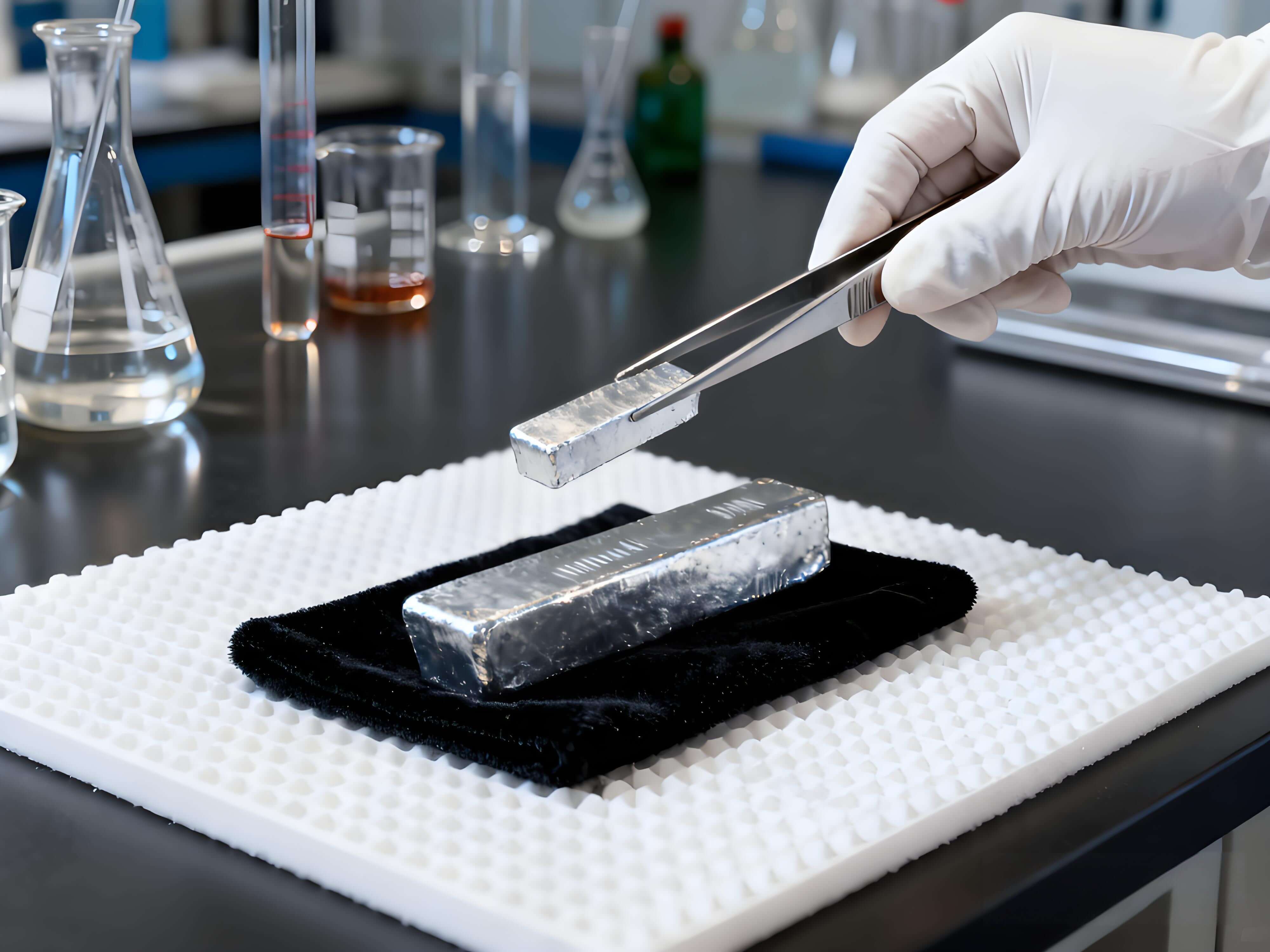
The electrochemical anticorrosion method of sacrificial anode is based on the reductive sacrifice of the metal and the anode metal connected to the positive pole of the external power supply, so that the cathode metal connected to the negative pole of the external power supply can be protected by electrons. Generally speaking, the electrode potential of the sacrificial anode metal is required to be negative than that of the protected metal, the anode capacitance is large, and the theoretical electricity generation is large, and then the anode metal is required to have high current efficiency to improve the protection rate of the cathode metal. In addition, the anode metal is required to be a metal material with low price and abundant reserves, and the product produced by electrolysis should be non-toxic and pollution-free.

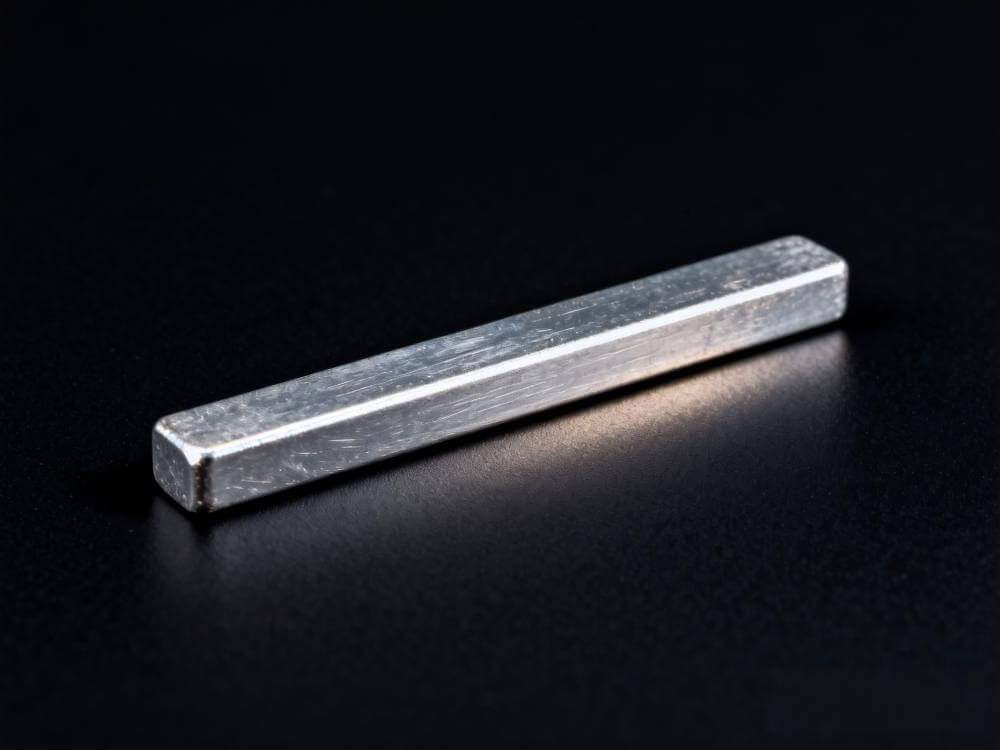
Magnesium alloy is the mainstream material of sacrificial anode. Mg-Mn series alloy, Mg-Al-Zn-Mn series alloy and magnesium coated aluminum are widely used in industrial production. Magnesium-coated zinc bimetallic composites. Manganese in magnesium alloy can eliminate the effect of impurities on magnesium self-corrosion rate, which is equivalent to the existence of "purifying agent", but excessive manganese will lead to the decrease of corrosion resistance and plasticity of magnesium alloy. Some studies have shown that the corrosion rate of magnesium alloy in soil decreases, and from the sediment on the surface of magnesium alloy, it can be inferred that it is due to the action of calcium salt and magnesium salt in soil, so adding appropriate amount of calcium to magnesium alloy can delay the self-corrosion of magnesium alloy. Aluminum and magnesium are the main elements of the alloy, but the presence of aluminum will accelerate the self-corrosion of magnesium, and the addition of zinc can greatly slow down the corrosion rate, so most of the magnesium alloys commonly used in industrial production contain manganese, aluminum, zinc and other elements. People can get the best content ratio of each element by changing the content of each element. even so, the content of impurities still needs to be controlled to reduce impurities in order to improve the current efficiency.

The sacrificial anode method can effectively prolong the protection period of cathode metal, and the cost is less than other protection measures, so the sacrificial anode method has a high utilization rate in anti-corrosion engineering. Magnesium alloy sacrificial anode materials are also widely used in all kinds of anti-corrosion projects, such as anti-corrosion protection of urban underground gas pipelines and oil transportation pipelines, and anti-corrosion protection of equipment in biochemical engineering. Anti-corrosion protection of fresh water heat exchangers in thermal power plants and petrochemical plants, anti-corrosion protection of sewage gates in rivers and reservoirs, etc.
Data Source Statement: Except for publicly available information, all other data are processed by SMM based on publicly available information, market communication, and relying on SMM‘s internal database model. They are for reference only and do not constitute decision-making recommendations.

For any inquiries or to learn more information, please contact: lemonzhao@smm.cn
For more information on how to access our research reports, please contact:service.en@smm.cn
Related News
Magnesium Ingot Transactions Increased, Rigid Demand Support Became More Evident, and a One-Sided Market Trend Was Unlikely in the Short Term [SMM Spot Magnesium Ingot Flash Report]
3 hours ago
Magnesium Ingot Transactions Increased, Rigid Demand Support Became More Evident, and a One-Sided Market Trend Was Unlikely in the Short Term [SMM Spot Magnesium Ingot Flash Report]
Read More
Magnesium Ingot Transactions Increased, Rigid Demand Support Became More Evident, and a One-Sided Market Trend Was Unlikely in the Short Term [SMM Spot Magnesium Ingot Flash Report]
[Magnesium Ingot Transactions Increased Significantly, Rigid Demand Support Became More Evident, and a One-Way Market Was Unlikely in the Short Term] Today, quotations in the main production areas for 99.90% magnesium ingot were 16,600-16,700 yuan / mt, and low-priced supply in the market increased.
3 hours ago
High Costs Drove a Second TiO2 Price Increase Within the Month, While Diverging Domestic and External Demand Tested the Sustainability of the Price Rise [SMM Titanium Spot Flash Report]
10 hours ago
High Costs Drove a Second TiO2 Price Increase Within the Month, While Diverging Domestic and External Demand Tested the Sustainability of the Price Rise [SMM Titanium Spot Flash Report]
Read More
High Costs Drove a Second TiO2 Price Increase Within the Month, While Diverging Domestic and External Demand Tested the Sustainability of the Price Rise [SMM Titanium Spot Flash Report]
[SMM Titanium Spot Update: High Costs Drive a Second Titanium Dioxide Price Increase Within the Month, While Diverging Domestic and External Demand Tests the Sustainability of the Hike] In mid-March, titanium dioxide enterprises in China collectively issued a second round of price increase notices within the month, raising domestic prices by 500 yuan/mt and export prices by $100/mt, mainly because elevated sulphuric acid prices forced cost pass-through. At present, enterprises are operating at full capacity, but mediocre domestic demand and foreign trade constrained by geopolitical factors have intensified market divergence. Expectations of tighter sulphuric acid supply still support confidence to hold prices firm, but the sustainability of the price increase remains to be verified by follow-up demand.
10 hours ago
LB Group Announces Second TiO₂ Price Hike in March Due to High Raw Material Costs
Mar 16, 2026 17:07
LB Group Announces Second TiO₂ Price Hike in March Due to High Raw Material Costs
Read More
LB Group Announces Second TiO₂ Price Hike in March Due to High Raw Material Costs
[SMM Titanium Express] LB Group issued a price adjustment notice. Effective March 16, prices for all Billions brand TiO₂ products will increase by RMB 500/ton for domestic market and USD 100/ton for overseas market. This marks the second price hike announcement this month, as high raw material costs continue to pressure industry profitability, driving the market upward.
Mar 16, 2026 17:07
Application of magnesium Alloy sacrificial anode in Cathodic Protection Engineering - Shanghai Metals Market (SMM)