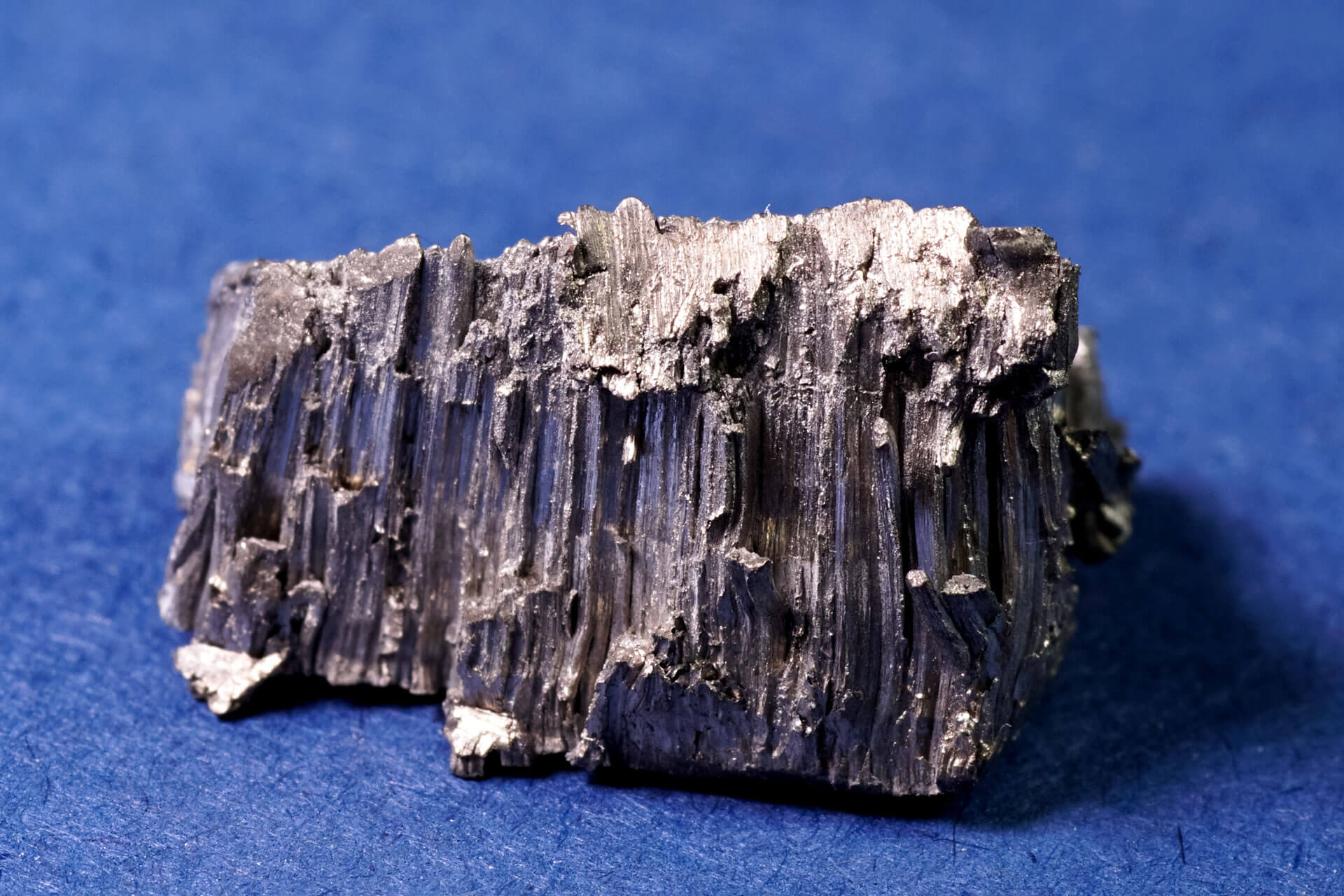
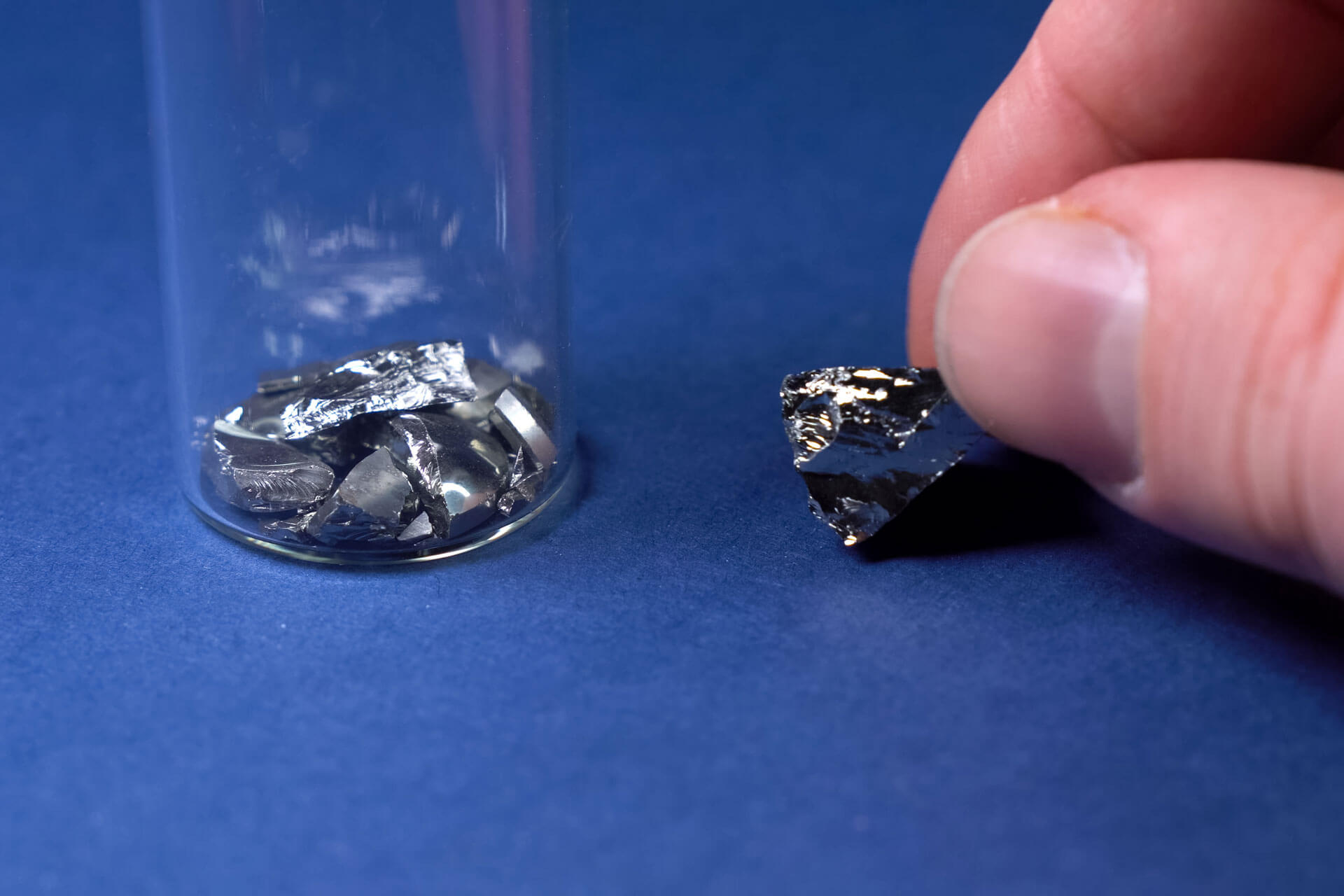
SHANGHAI, Jan 10 (SMM) - China's praseodymium neodymium (PrNd) oxide output was 6,150 mt in December 2021, a slight increase of 1.75% month-on-month (MoM). The main increase areas mainly came from the major light rare earth producing provinces like Inner Mongolia, Sichuan, and Shandong, while Jiangxi, Hunan, and Guangdong contributed most of the declines, expecially middle and heavy rare earth.
The output of PrNd alloy stood at 5,626 mt in the month, a slight increase of 0.9% MoM, which was basically the same as in November. The increase was mainly found in Inner Mongolia.
The raw ore supply in major light rare earth ore consuming markets was comparatively sufficient in December, and the output of PrNd oxide and alloy in Inner Mongolia and Sichuan rose slightly. The downstream NdFeB magnetic materials companies continued to expand their capacity, constantly creating new demand. Some separation companies in Inner Mongolia, Sichuan and Shandong put their new production lines into operation in December in order to meet the demand generated by expanding NdFeB capacity, and more capacities are expected to start producing in 2022.
Nonetheless, the upstream separation/smelting quotas in Inner Mongolia, Shandong and Sichuan were unable to meet the demand from NdFeB magnetic materials. And a few separation companies in north and south-west China failed to ramp out the production due to lack of quotas.
The raw ore supply in major middle and heavy rare earth ore consuming regions was relatively tight, and the output of PrNd products in Jiangxi, Zhejiang, Guangdong and Guangxi was flat in December when compared with that in November, when the output dropped slightly from a month ago. Some manufacturers were unable to return to normal production.
In the short term, with the customs clearance of rare earth ores imported from Myanmar, the tight supply of raw ore in the major middle and heavy rare earth ore consuming areas are expected to ease in January, hence the overall supply of PrNd products will increase as well. Looking into 2022, however, the supply of upstream raw ore is still expected to be tight as the China-Myanmar border may be closed again after the omicron COIVD variant has been reported in Myanmar, coupled with the repeating COVID across the globe. Some separation enterprises have used yttrium-rich ore for alternative production, or actively look for other alternatives such as chlorinated tablets.
The magnetic material companies rushed to deliver orders in December, and the overall restocking demand was weak. In the short term, magnetic material companies have signed long-term orders for 2022 around the end of 2021. Their purchasing and restocking demand increased in January, and some metal companies in Inner Mongolia and Sichuan have received long-term orders to their full capacity.
The global downstream demand in the new energy vehicles, wind turbines and other fields will increase throughout 2022 on the back of carbon peaking and carbon neutrality, and the demand for PrNd alloy will continue to grow.
In terms of fundamentals, the short-term supply and demand will both increase, and the gap between the two is expected to narrow in January 2022. Looking into 2022, the supply of upstream raw ore will still be tight in light of resurging COVID-19 pandemic and the pessimistic output on the re-opening of China-Myanmar border. The downstream demand, on the other hand, will grow substantially. The rare earth market will still be in short supply in 2022.
Magnetic material companies actively purchased ahead of the Spring Festival in early January 2022. The market inquiries for PrNd products were active in early January, and the market transaction also increased significantly. As such, the spot transaction prices rose slightly. As the spot rare earth supply is currently tight, it is expected that the prices of PrNd oxide and alloy will rise further in early January. The supply shortage is likely to ease later in the month with the inflow of rare earth ores from Myanmar, and the supply gap of raw ore narrowed. Meanwhile, the downstream restocking demand will weaken as the Spring Festival is approaching. The prices of PrNd oxide and alloy may experience a slight correction in late January.