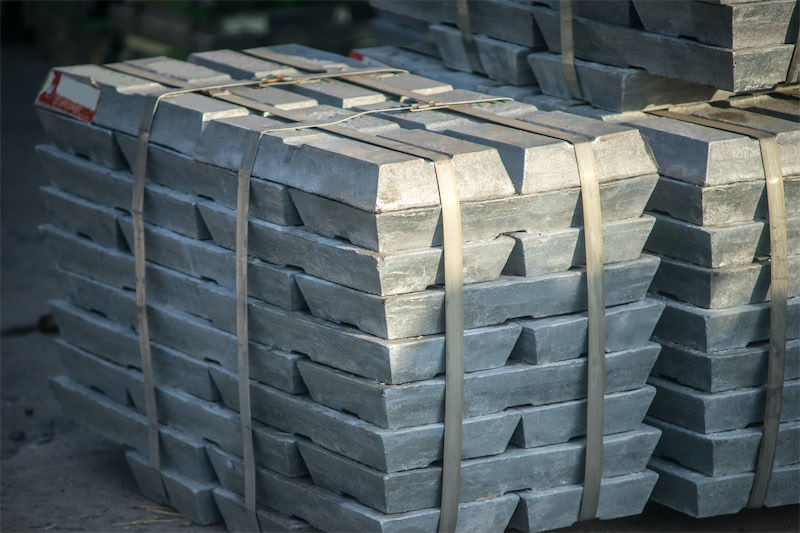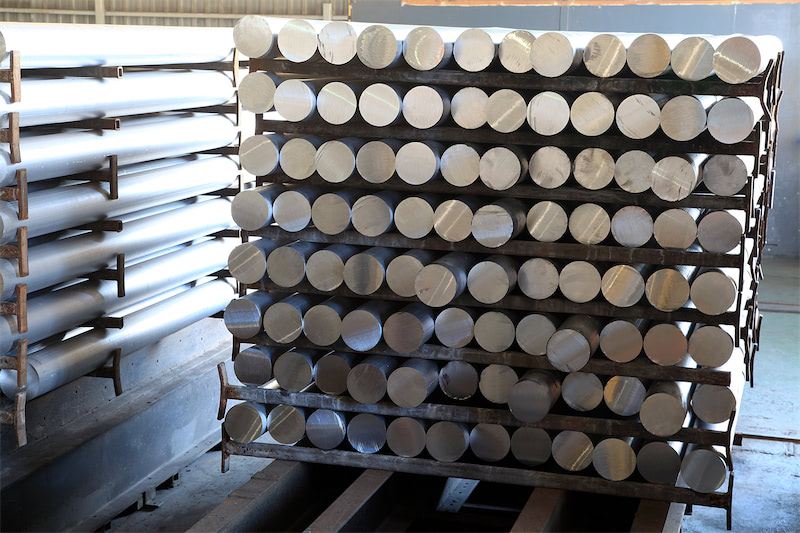
The energy crisis broke out again! A large number of European aluminum smelting giants have cut production and electricity prices have become unaffordable.

Published: Dec 23, 2021 13:39
The energy crisis broke out again! It is reported that European energy prices continue to soar, leaving the region's largest natural gas and electricity "consumers" facing heavy losses, forcing industrial giants to cut production and threatening economic recovery. As energy costs break records day by day, financial pressure on industries such as metals and fertiliser is also increasing, especially as aluminium smelters are cutting production.

It is reported that European energy prices continue to soar, leaving the region's largest natural gas and electricity "consumers" facing heavy losses, forcing industrial giants to cut production and threatening economic recovery.

As energy costs break records day by day, financial pressure on industries such as metals and fertiliser is also increasing, especially as aluminium smelters are cutting production. It is reported that (Aluminium Dunkerque Industries France), the French aluminum company Dunkirk, Europe's largest aluminum smelter, has limited production in the past two weeks.

Laurent Geeraert, a union representative, said aluminium was one of the most energy-intensive industrial metals, and soaring electricity prices forced Dunkirk to cut production by about 3 per cent. The smelter has lost about 20 million euros ($22.6 million) since early November and further restrictions may be needed if electricity prices remain extremely high, he said.

Of the three aluminum smelters owned by Trimet Aluminium in Germany, two smelters, Voerde (with an annual capacity of 95000 tons) and Hamburg (with an annual capacity of 130000 tons), have reduced their production capacity by nearly 30%, involving an annual capacity of about 70, 000 tons. Essen, another Trimet smelter with an annual capacity of 165000 tons, has not yet cut production. It is estimated that the spot raw materials and energy prices of the two aluminium smelters that have been cut are currently unprofitable at US $3800 per tonne, and LME aluminium futures are currently quoted at around US $2800.

image

In addition, Montenegro aluminum producer Kombinat Aluminijuma Podgorica (KAP) may also face a shutdown due to high energy prices, which could involve 75000 tons of annual production capacity. It is reported that the power supply contract signed between KAP and Elektroprivreda Crne Gore (EPCG), a state-owned power supply company in Montenegro, will expire on December 31, 2021. KAP will face high energy costs when the contract expires, so the company may announce that it will phase out the KAP aluminum smelter.

Aluminium prices are up more than 40 per cent this year, and demand in Europe is growing rapidly, but energy prices are eroding the profitability of aluminium prices. At one month's basic load prices in France, the cost of electricity to produce a tonne of aluminium is about $11000.

image

Energy crisis spreads to more industries

Not only that, the energy crisis is spreading to a wider range of industries. Nyrstar, owned by Trafigura (Trafigura), will suspend zinc production in France in early January, while Azomures, Romania's largest fertiliser maker, will also suspend production. Azomures said on Friday that the factory had begun to close and that farmers could not afford such high prices.

image

"We are seeing an existential crisis in the European aluminum industry and other power-intensive metal smelting industries," said metals trader Concord Resources Ltd.. "it's not always easy to get these companies back up and running," said Mark Hansen (Mark Hansen), chief executive officer. These are not just switches. "

This year's energy crisis can be said to be quite serious, with natural gas prices soaring by more than 800% and electricity costs by about 500%. With the coldest months of winter still ahead, Russia has limited natural gas supplies and shows no sign of easing. As the novel coronavirus Omicron variant spreads across the continent, all this could leave lasting scars on Europe's industrial economy.

"higher gasoline prices will be detrimental to economic activity, both for households and for businesses," said Sarah Hewin, director of research for Europe and the Americas at Standard Chartered Bank (Standard Chartered). The recent surge in natural gas prices is clearly negative for the outlook for all European economies, including the UK. "
Data Source Statement: Except for publicly available information, all other data are processed by SMM based on publicly available information, market communication, and relying on SMM‘s internal database model. They are for reference only and do not constitute decision-making recommendations.

For any inquiries or to learn more information, please contact: lemonzhao@smm.cn
For more information on how to access our research reports, please contact:service.en@smm.cn
Related News
Qiya Group's Fine Alumina Project Hits Milestone, Aiming for 800,000 mt/year by 2027
1 hour ago
Qiya Group's Fine Alumina Project Hits Milestone, Aiming for 800,000 mt/year by 2027
Read More
Qiya Group's Fine Alumina Project Hits Milestone, Aiming for 800,000 mt/year by 2027
According to the official website of Qiya Group, on May 30, Qiya Guizhou Group's fine alumina project reached a historic milestone — the first-phase 200,000 mt/year production line was officially put into operation. The project is expected to have a total capacity of 800,000 mt/year and is expected to be fully completed by 2027. At that time, it will fill the regional market gaps in major demand areas such as the Pearl River Delta, the Yangtze River Delta, and Hunan, driving over 460 types of fine alumina products and covering more than 2,000 industries, ushering in an industrial transformation from "ore" to "high-end precision."
1 hour ago
Australian Bauxite Exports Fall, Guinea's Rebound in Weekly Port Departures
1 hour ago
Australian Bauxite Exports Fall, Guinea's Rebound in Weekly Port Departures
Read More
Australian Bauxite Exports Fall, Guinea's Rebound in Weekly Port Departures
According to SMM on May 29, weekly bauxite port departures from Australia's main ports decreased by 1.0007 million mt WoW; weekly bauxite port departures from Guinea's main ports rebounded by 288,800 mt WoW.
1 hour ago
Cost Side Diverges and Weakens, Aluminum Fluoride Lacks Support and Remains Slightly Under Pressure [SMM Analysis]
7 hours ago
Cost Side Diverges and Weakens, Aluminum Fluoride Lacks Support and Remains Slightly Under Pressure [SMM Analysis]
Read More
Cost Side Diverges and Weakens, Aluminum Fluoride Lacks Support and Remains Slightly Under Pressure [SMM Analysis]
Overall market trading activity was sluggish. At month-end, the market maintained a steady posture, watching for the outcome of the new round of aluminum fluoride tender prices. However, as the raw material side showed signs of easing, prices are expected to be slightly under pressure next month. Going forward, close attention should continue to be paid to dynamic changes on the raw material cost side, as well as marginal adjustments in the procurement pace of downstream aluminum enterprises.
7 hours ago
The energy crisis broke out again! A large number of European aluminum smelting giants have cut production and electricity prices have become unaffordable. - Shanghai Metals Market (SMM)