Substitution of Primary Aluminium by Aluminium Scrap to be Slow Unless Consumption in Related Fields Offers a Boost

Published: Nov 26, 2021 15:03
Source: SMM
Recently, the market has begun to discuss the impact of aluminium scrap on primary aluminium consumption next year. However, the impact of aluminium scrap on primary aluminium will not be as significant as imagined. It also has many limitations.

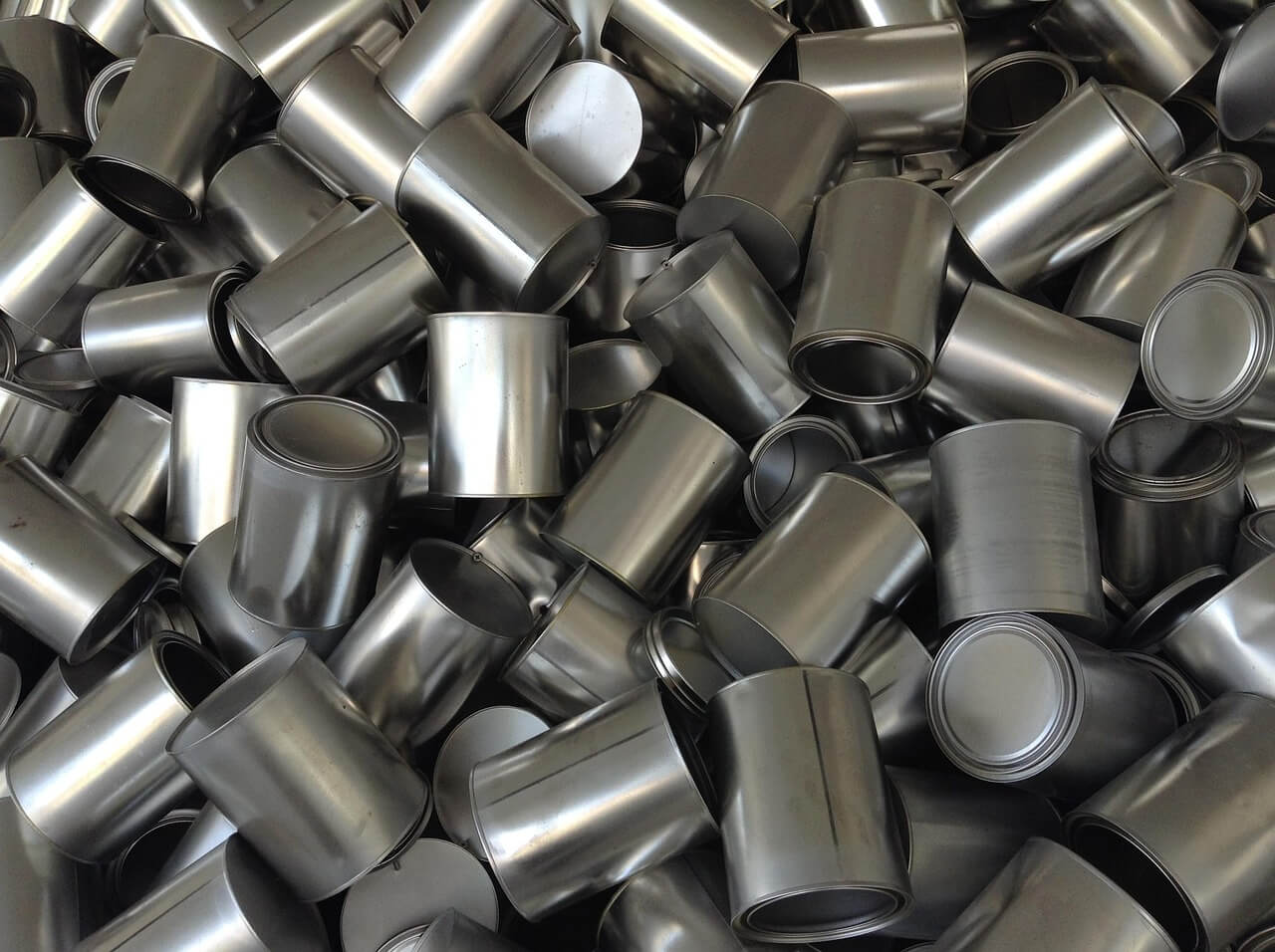
SHANGHAI, Nov 26 (SMM) - Recently, the market has begun to discuss the impact of aluminium scrap on primary aluminium consumption next year. However, the impact of aluminium scrap on primary aluminium will not be as significant as imagined. It also has many limitations. The main reason is that all aluminium scrap is alloyed products, and the cost of aluminium purification is high. So the recycled aluminium scrap can only be used in downstream processing.

In terms of aluminium rods and primary alloys, there is not large volume of aluminium scrap for use due to the high element composition requirements. Almost only primary aluminium or even low-iron, high-purity aluminium can be used for production. The recycled aluminium scrap can only be used in three sectors, including traditional secondary cast aluminium alloy, secondary aluminium rod, and aluminium plate/sheet, strip and foil. The current proportion is approximately 7.5:1.5:1.

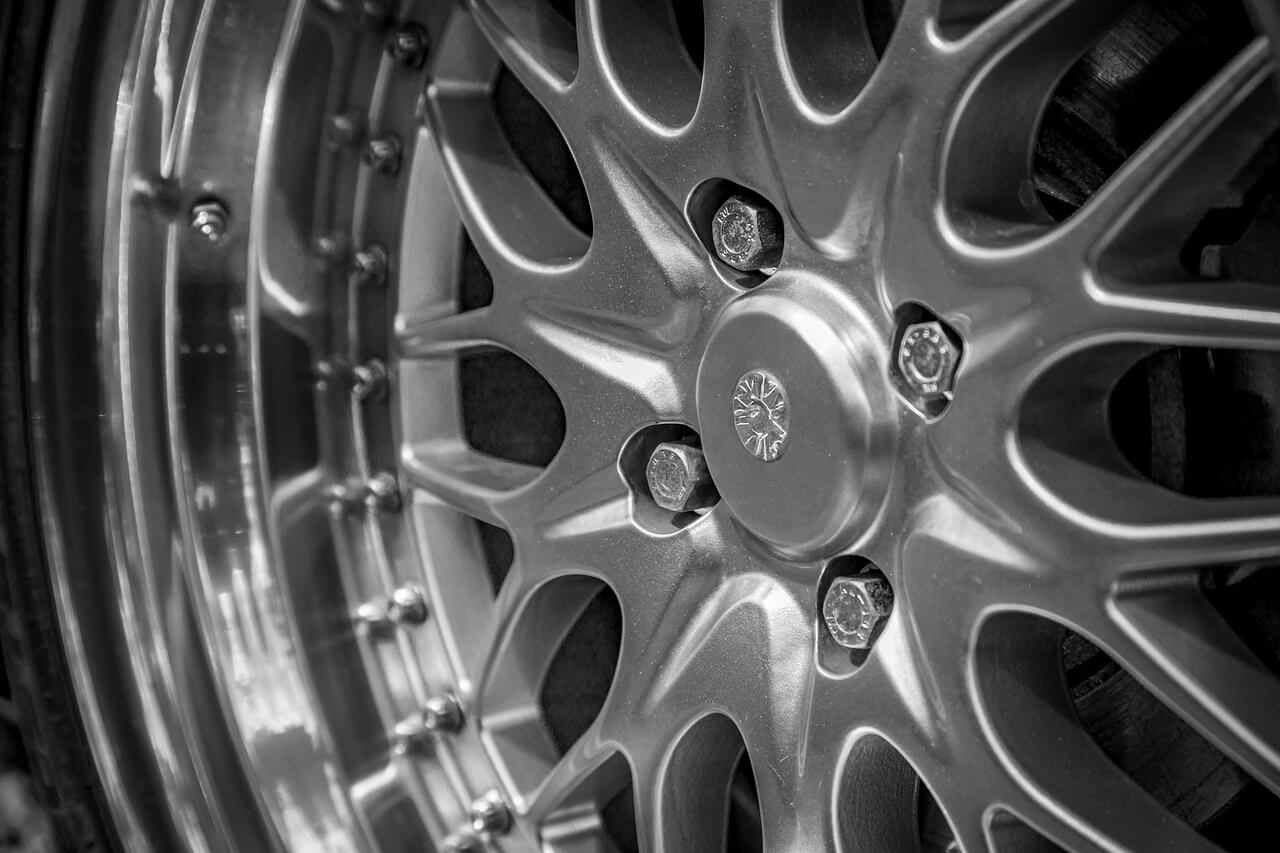
The end user consumption of secondary aluminium is mainly related to auto parts. The relatively mature ADC12, A380 and other aluminium alloy ingot brands can be directly produced using 100% aluminium scrap for a long time. There is no advantage in the cost of primary aluminium. However, in terms of automobiles, traditional fuel-powered vehicles are slowly being replaced by new energy vehicles. New energy vehicles can only be produced with primary aluminium currently due to higher material performance requirements and stringent element requirements.

Regarding secondary remelting rods, most secondary aluminium rods are 6063 alloy. Almost all the secondary aluminium rods produced with 100% aluminium scrap are non-standard aluminium rods, which can only be used for the production of non-standard building materials. And their consumption is closely related to real estate. In addition to 6063 aluminium rods, a small amount of 6061 secondary aluminium rods are currently used in the production of secondary aluminium templates. The consumption is also closely related to the real estate industry.

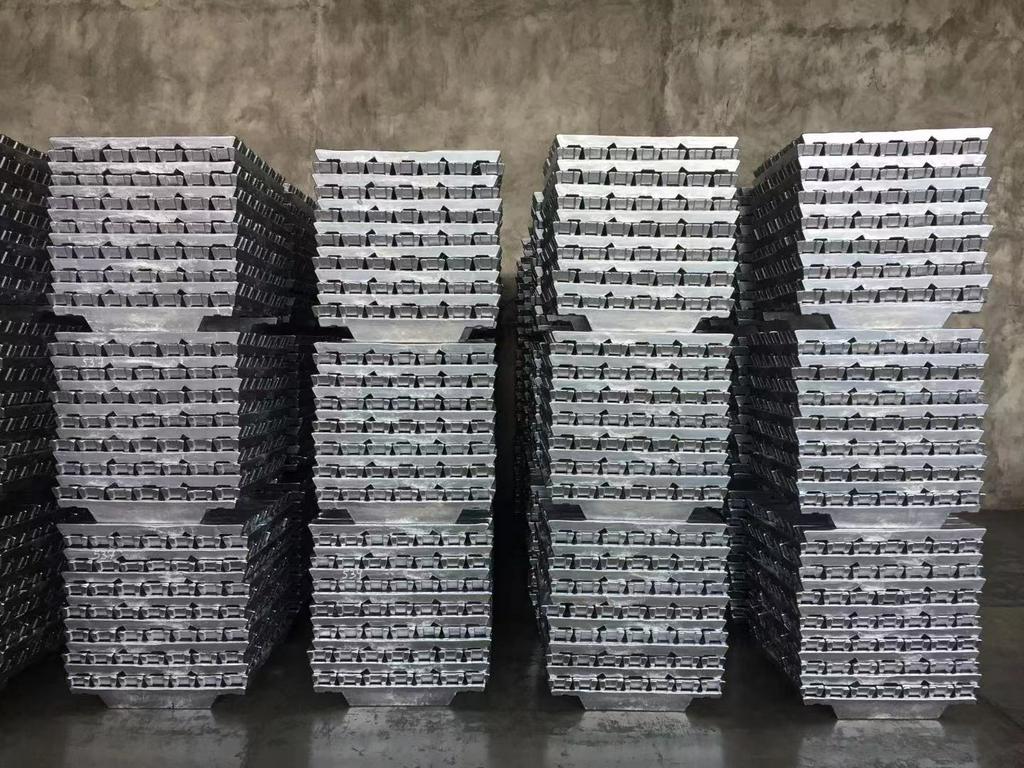
1/8 series of aluminium scrap can be used as a direct substitute for A00 aluminium ingots due to its high aluminium content. The source is mainly aluminium cable scrap and 1 series regular plate/sheet and strip scrap, which account for only a small volume in the entire aluminium processing industry. And there is no potential for a big increase.

Therefore, aluminium scrap is unlikely to have a big impact on primary aluminium in the short term unless the consumption of fuel-powered vehicles and the real estate sector surges, the sorting capacity of the recycling link improves substantially, or the purification technology of aluminium scrap makes breakthroughs. The substitution of primary aluminium by aluminium scrap will still be a relatively slow process.

Data Source Statement: Except for publicly available information, all other data are processed by SMM based on publicly available information, market communication, and relying on SMM‘s internal database model. They are for reference only and do not constitute decision-making recommendations.

For any inquiries or to learn more information, please contact: lemonzhao@smm.cn
For more information on how to access our research reports, please contact:service.en@smm.cn
Related News
Jintuo Shares' Mexican Die-Casting Plant Commences Trial Production
57 mins ago
Jintuo Shares' Mexican Die-Casting Plant Commences Trial Production
Read More
Jintuo Shares' Mexican Die-Casting Plant Commences Trial Production
[SMM Express] According to reports, Jintuo Shares' first overseas production site—Jintuo Taian (Mexico) Automotive Components Co., Ltd., located in San Luis Potosí, Mexico—has successfully initiated the trial production phase for its first die-casting equipment, achieving the successful production of the first component.
57 mins ago
Toyota's New EV Adopts Integrated Castings
58 mins ago
Toyota's New EV Adopts Integrated Castings
Read More
Toyota's New EV Adopts Integrated Castings
[SMM Express] According to reports, Toyota announced that its first mass-produced EV, scheduled for launch in 2026, will adopt front and rear dual integrated casting technology. Toyota initiated the integrated casting project in September 2022, installing large-scale casting machines at its Japanese plants for prototyping EV parts. The company aims to achieve a global sales target of 1.5 million EVs by 2026. As a core strategy, integrated casting technology is expected to halve production steps and reduce manufacturing equipment costs. The next-generation Lexus LF-ZC, also planned for launch in 2026, will also utilize this technology.
58 mins ago
Mercedes-Benz's New S-Class Model Features Wheels Manufactured Using Die-Casting Process
1 hour ago
Mercedes-Benz's New S-Class Model Features Wheels Manufactured Using Die-Casting Process
Read More
Mercedes-Benz's New S-Class Model Features Wheels Manufactured Using Die-Casting Process
[SMM Express] According to reports, following BMW's first adoption of the TURBU-DURCK die-casting process for mass-producing aluminum alloy wheels on the M5 model in 2025, Mercedes-Benz also introduced the TURBUDRUCK die-casting technology for mass-producing aluminum alloy wheels on its new S-Class model launched on January 29, 2026. Relying on an AI-supported software solution for autonomous regulation and using 100% recycled materials, the technology can produce popular and high-end wheel hubs under 24 inches. Through an economical dual-plate mold solution and die-casting machines with a clamping force ranging from 1,300 to 1,800 metric tons, the production of aluminum and magnesium alloy wheel hubs can be achieved.
1 hour ago