Foxconn, the iPhone contract manufacturer, and Indonesia have held talks on investment in electric vehicles, but the two sides disagree on the content of the final decision.
Foxconn "plans to build a comprehensive electric battery and electric vehicle industry in Indonesia" to produce two-wheeled and four-wheeled cars, BKPM quoted Liu Yangwei as saying in a statement issued by Indonesia's Investment Co-ordination Committee (BKPM) on October 24. "We will not only contract manufacturing, but also hope to establish a complete industry in Indonesia."
Foxconn confirmed that the two sides held a meeting in late October on "possible investment in electric cars and batteries in Indonesia", adding that the head of BKPM had proposed incentives to support the company's future investment in Indonesia.
However, Foxconn did not confirm whether it had "plans" to "produce" electric cars and batteries in Indonesia.
Indonesia, part of Foxconn's strategic investment?
Foxconn has long been known as "manufacturing for Apple", but with the global wave of new energy vehicles and the emergence of the ceiling of the consumer electronics industry, Foxconn has turned its attention to electric cars in search of a new growth curve.
Since Liu Yangwei succeeded founder Terry Gou as chairman in mid-2019, Foxconn has been stepping up efforts to expand its influence in the electric car industry. Mr Liu proposes that Foxconn's designs and components will account for 5 per cent of the global electric vehicle market by 2025 and plans to turn electric vehicles into a $35 billion business within five years.
The company aims to become a major player in the global electric vehicle market, providing parts or services for 10 per cent of the world's electric vehicles between 2025 and 2027.
Since the beginning of this year, Foxconn has accelerated its layout in the field of electric vehicles.
In September, Foxconn set up an electric vehicle production facility in a joint venture with Thai oil and gas company PTT to serve Southeast Asia.
In early October, Foxconn struck deals worth $280 million with US electric car start-up Luoston Motor (Lordstown Motors) to acquire the latter's manufacturing plant in Ohio, which will become Foxconn's first electric vehicle manufacturing base in the North American market.
On October 18th, Foxconn officially launched the pure electric vehicle brand-Foxtron, also launched three electric vehicle prototypes: the medium-sized SUV Model C, the medium-and large-sized sedan Model E and the electric bus Model T. This is the first time that Foxconn has shown its products to the outside world since it announced that it would build a car.
According to officials, the three electric vehicles are all based on "MIH". The key components of the three electric systems are independently developed by Foxconn. The body parts are compatible with a variety of products, including hatchbacks, cars, SUV and MPV, and can be adjusted accordingly according to customers' own vehicle positioning.
Foxconn's launch of new products is not only a key part of its road to building cars, but also demonstrates its strength in the contract manufacturing business.
On October 20, Liu Yangwei said that electric vehicle plants would be built in Europe, India and North / South America by 2024.
This negotiation with Indonesia may be part of its strategic investment.
Why Indonesia?
Foxconn's entry into Indonesia would be a huge boost for a country that wants to position itself as a major player in the global electric car supply chain.
In fact, not only Foxconn, but also Germany's BASF, America's Tesla and China's Ningde era, are interested in investing in Indonesia's electric car industry.
In September, South Korea's Hyundai Motor Group and LG Energy Solution began building a $1.1 billion electric car battery plant in Indonesia, which is scheduled to start production in 2024. Hyundai is also building a car plant nearby, which is expected to start production next year.
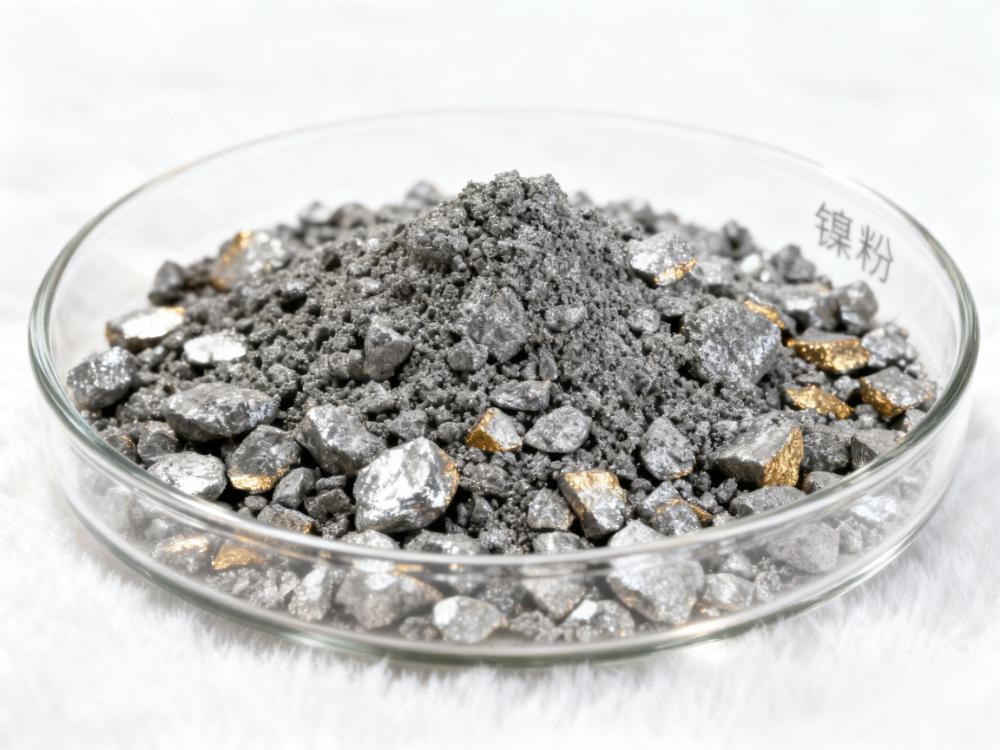
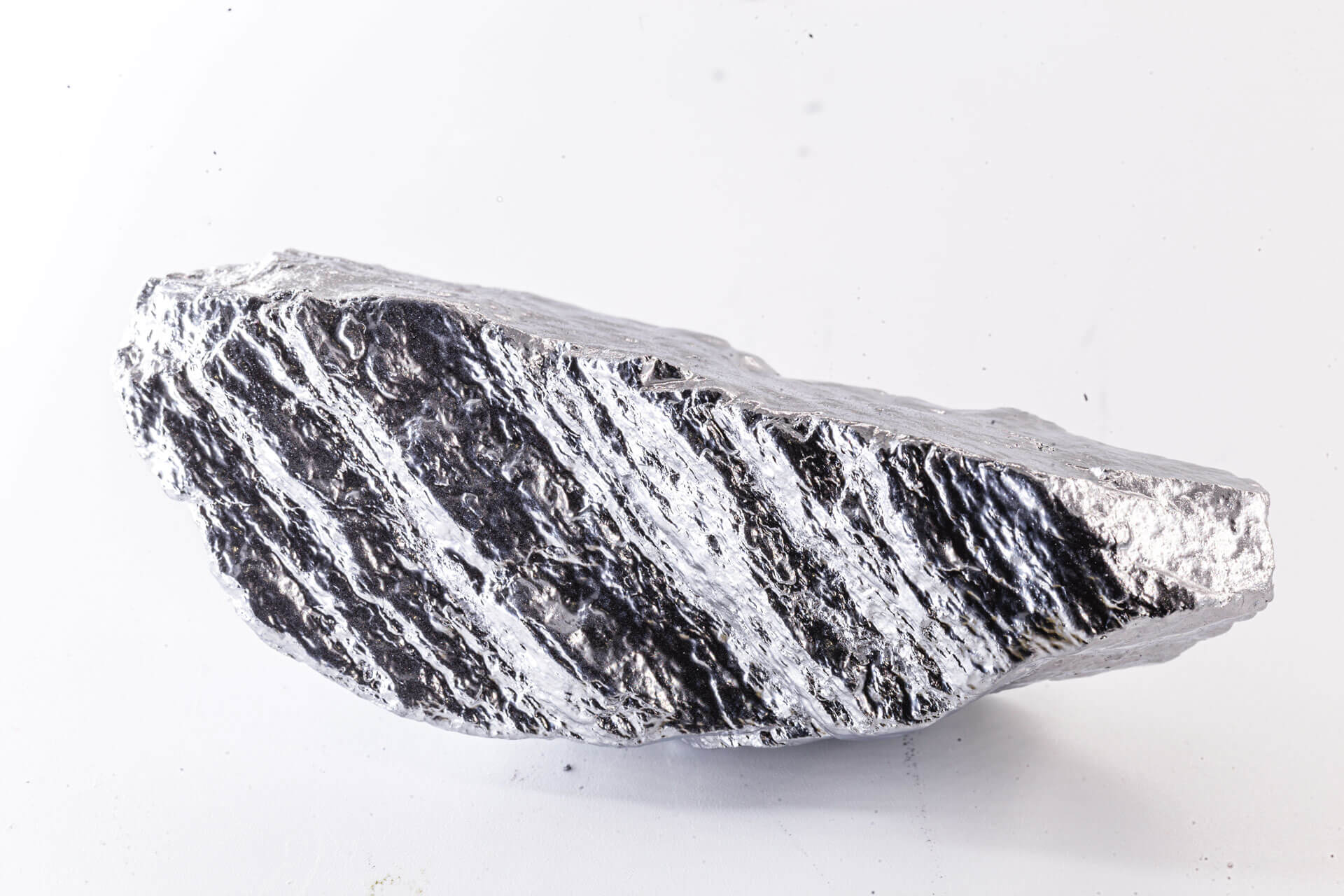
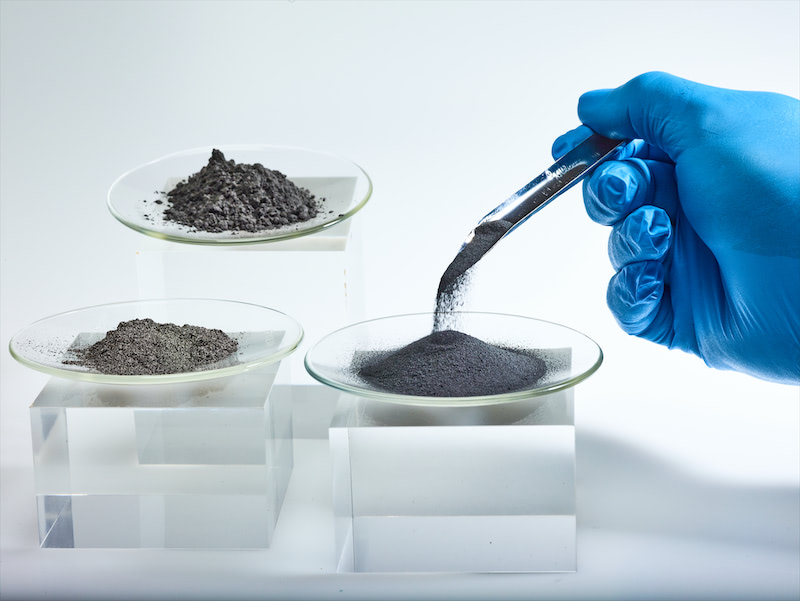
The reason is that the country's rich nickel reserves are a key component of electric car batteries. Indonesia is expected to produce 760000 tons of nickel in 2020, with another 21 million tons of reserves, more than anywhere else in the world, according to the U.S. Geological Survey (US Geological Survey).
The country, which accounts for about 30 per cent of global nickel production and about 22 per cent of global reserves, is critical to ensuring a stable supply of battery materials.
On the other hand, Indonesia also hopes to use its reserves by introducing investment and become a key part of the global electric vehicle supply chain.
In March, Indonesia set up a state-owned battery holding company, which plans to establish a comprehensive industry ranging from upstream development (mining raw materials for electric car batteries) to downstream manufacturing (battery and vehicle manufacturing) within five years.
In addition, in order to stimulate investment in nickel processing, including refineries, the Indonesian government imposed a ban on the export of unprocessed nickel ore in January 2020, two years earlier than expected.
![[SMM Nickel Flash] Pure Battery Technologies Advances US$350 Million Batang pCAM Project](https://imgqn.smm.cn/usercenter/yUOUz20251217171732.jpg)