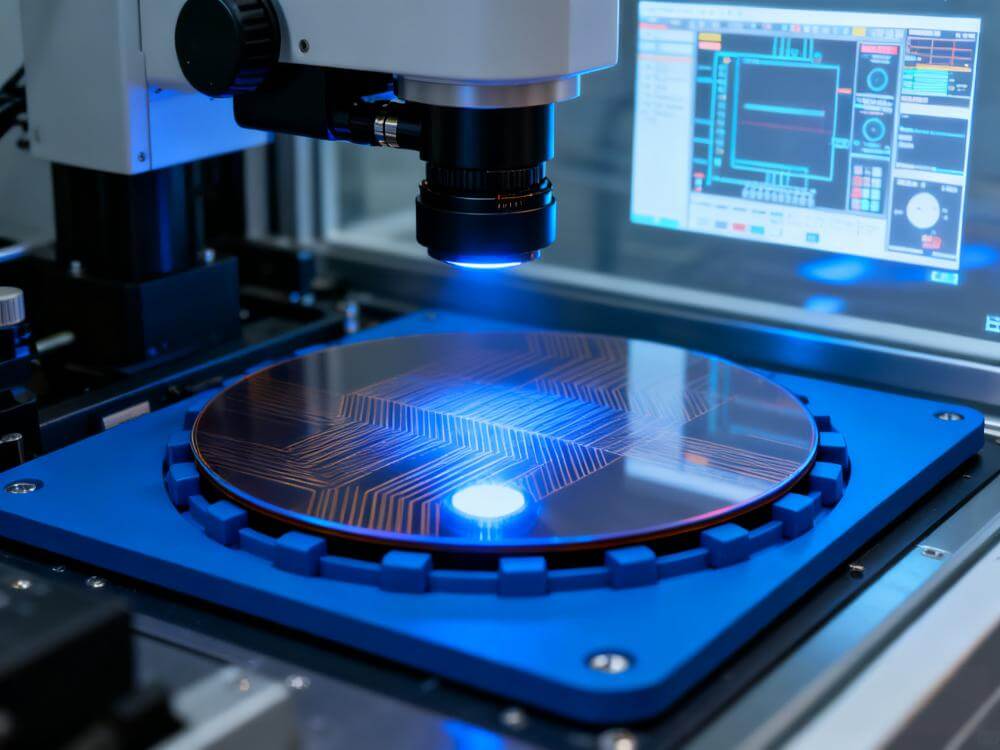
Merger talks between Western Digital of the United States and Japanese chipmaker Armour have stalled, highlighting the huge challenge of completing a deal in the semiconductor industry, according to foreign media citing people familiar with the matter.
It was reported in August that Western Digital was in early talks with Che Xia about a possible merger and acquisition, which could be worth as much as $20 billion. It is said that the two sides could reach an agreement as early as mid-September, whereby David Gokler, the current CEO of West Digital, will be in charge of managing the combined company. If the negotiations are successful, the merger could create a NAND memory giant that can compete with semiconductor giant Samsung Electronics of South Korea (208.25,0.00,0.005%).
But talks have stalled in recent weeks because of a series of problems, according to people familiar with the matter. The issues involved in the negotiations include differences in valuation, uncertainty over whether to obtain approval from the Japanese government, and an ongoing strategic review by Toshiba, a shareholder.
Western Digital is still eager to press ahead with the deal under the right conditions, the person familiar with the matter said.
Armour is the second largest manufacturer of flash memory chips in the world, with a market share second only to Samsung. Currently, Samsung dominates the market with more than 1/3 of the NAND market share, with nearly 19 per cent of the NAND market and 15 per cent of Western Digital, according to research firm TrendForce. This means that if Che Xia and Western Digital merge successfully, they will control 1/3 of the NAND flash memory market, on a par with South Korea's Samsung Electronics.
In 2018, because Toshiba was dragged down by the nuclear power business, Toshiba split the flash business into Toshiba Storage Company and sold most of its shares to a US consortium led by Bain Capital in order to avoid being delisted due to insolvency. In October last year, Toshiba Storage announced that it had changed its name to Kioxia,.
He had planned IPO, last year, but had to shelve the IPO plan as trade tensions between China and the US hit Huawei, one of his biggest customers.
A spokesman for Armor said the company is still considering the right time for IPO. Sources said that if the final listing, it may be carried out next year.
A senior official of Japan's ruling party reportedly said last month that any alliance between Japanese and US companies should ensure that key business is shared equally between the two countries.
![Titanium Dioxide Prices Rose, Titanium Slag Prices Fell, and Titanium Ore Prices Held Steady [SMM Titanium Spot Market Brief]](https://imgqn.smm.cn/usercenter/pAOxy20251217171725.jpg)
![[SMM Analysis] Tight Balance & High Overseas Premiums: Tungsten Market Expected to Stabilize in April](https://imgqn.smm.cn/production/admin/news/cn/thumb/gsyYF20180628085444.jpeg?imageView2/1/w/176/h/110/q/100)