

"Click to view details
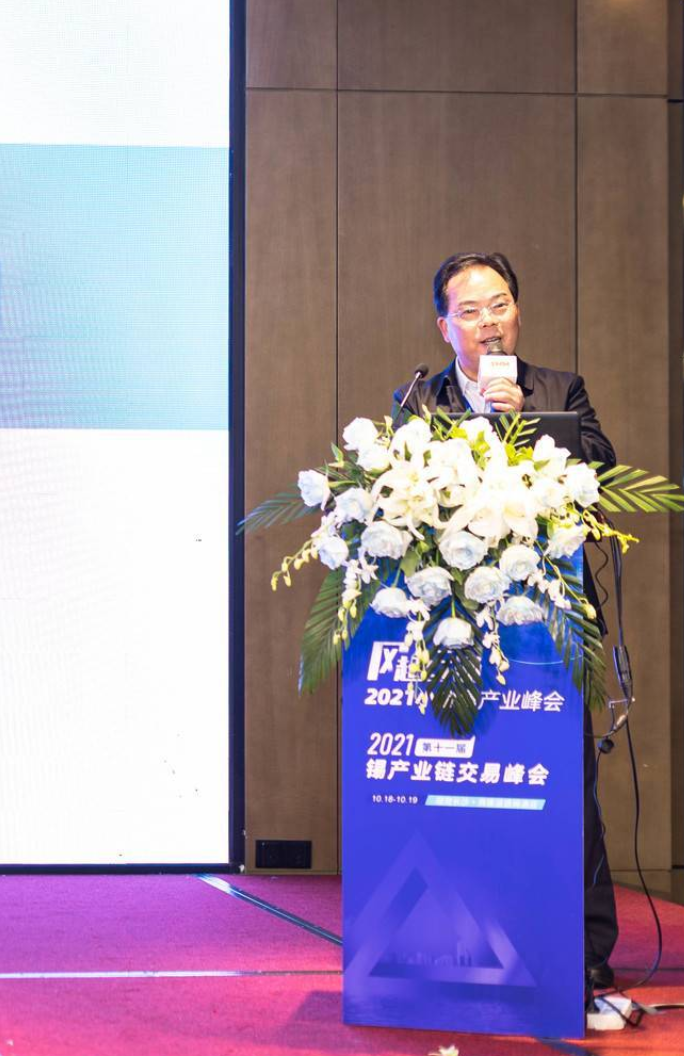
At the 2021 small Metal Industry Summit hosted by (SMM) of SMM Information & Technology Co., Ltd., Zhou Quanfa, deputy secretary of the party committee and vice president of Changzhou Institute of Technology, popularized non-ferrous and rare and precious metal elements and classification, non-ferrous and rare metal materials and waste classification, and introduced how to recycle non-ferrous and rare and precious metals in e-waste. The comprehensive method points out that at present, the utilization rate of resources is not high, the secondary pollution is serious, and there is a lack of exemplary and systematic intellectual property output, application and promotion system. Turning waste into treasure and recycling is a sunrise industry.
Non-ferrous and rare metal elements and their classification
Non-ferrous metals can be divided into five categories:
Light metals: 0.53 to 4.5g hand cm3, such as aluminum, magnesium, potassium, sodium, calcium, strontium, barium, etc.
Heavy metals: > 4.5 g Compact cm3, such as copper, nickel, cobalt, lead, zinc, tin, antimony, bismuth, cadmium, mercury, etc.
Precious metals: 8 kinds of gold, silver and platinum group metals
Semi-metal: properties between metal and non-metal, such as silicon, selenium, tellurium, arsenic, boron, etc.
Rare metals: rare light metals, such as lithium, rubidium, cesium, etc.; rare refractory metals, such as titanium, zirconium, molybdenum, tungsten, rare dispersed metals, such as gallium, indium, germanium, rare earth metals: such as scandium, yttrium, lanthanide metals; radioactive metals: such as radium, polonium, polonium and uranium, thorium in actinides.
Non-ferrous and rare metal materials
In a narrow sense, non-ferrous and rare and precious metal materials are based on one or more non-ferrous metals or rare and precious metals, with other components added to solid materials (mainly alloys). Copper is one of the earliest metal materials used by human beings. Alchemy in ancient China and alchemy in the West are all applications of non-ferrous metals.
Narrow nonferrous and rare metal materials:
According to the alloy system-heavy non-ferrous metal alloy, light non-ferrous metal alloy, precious metal alloy, rare metal alloy and so on;
According to alloy use-deformation (pressure processing alloy), casting alloy, bearing alloy, printing alloy, cemented carbide, solder, master alloy, metal powder, etc.
By chemical composition-copper and copper alloy, aluminum and aluminum alloy, lead and lead alloy, nickel and nickel alloy, titanium and titanium alloy;
According to the shape-plate, strip, strip, foil, tube, bar, wire, shape, etc.
By production and application:
Non-ferrous smelting products: refers to all kinds of pure non-ferrous metal or alloy products obtained by smelting method;
Non-ferrous processed products (or deformed alloys): refers to all kinds of non-ferrous semi-finished materials such as tubes, handcuffs, lines, shapes, plates, foils, strips, strips, etc., produced by machining methods.
The casting of non-ferrous alloy refers to the mechanical parts of various shapes formed by direct casting of non-ferrous metal materials by casting method.
Bearing alloy: specifically refers to the production of sliding bearing bush of non-ferrous metal materials;
A hard tool material made of refractory hard metal compounds (such as tungsten carbide and titanium carbide), cobalt, iron or nickel as binder, powder metallurgy (also cast). It is characterized by better red hardness and wear resistance than high-speed tool steel, such as tungsten-cobalt alloy, tungsten drilling thorium platform gold and general cemented carbide, etc.
Solder: solder refers to the non-ferrous alloy used in welding metal parts.
Metal powder: refers to powdered non-ferrous metal materials, such as magnesium powder, aluminum powder, copper powder and so on.
In a broad sense, non-ferrous and rare and precious metal materials are based on one or more non-ferrous metals or rare and precious metals, adding other components of solid materials (mainly alloys).
Non-ferrous metals and rare precious metal materials are national hard core technology, a symbol of the comprehensive strength of national science and technology, and an important guarantee of national security.
Non-ferrous metal industry
China belongs to one of the countries rich in non-ferrous metal mineral resources in the world, and basically all the metal minerals discovered in the world have proven reserves in China. Among them, tungsten, tin, antimony, rare earth, tantalum and titanium rank first in the world; vanadium, molybdenum, niobium, beryllium and lithium rank second in the world; zinc ranks fourth in the world; and lead, gold and silver rank fifth in the world.
The characteristics of non-ferrous metal mineral resources are: widely distributed, but relatively concentrated in several regions, such as bauxite is mainly concentrated in Shanxi, Henan, Guizhou, Guangxi and other provinces and regions, tungsten deposits are mainly distributed in Jiangxi, Hunan and Guangdong, tin deposits are mainly distributed in Yunnan, Guangxi, Guangdong and Hunan; some mineral reserves are large, high quality, and have strong international competitiveness.
Strategic metal refers to the metal which is widely used in military industry and plays a vital role in national defense construction. Including tungsten alloy, steel; rare metal tantalum, strontium, antimony, cadmium, iridium, bismuth, rhodium, nickel, zirconium, chromium, cobalt, indium, etc., known as "industrial monosodium glutamate", "modern industrial vitamin", is the strategic reserve metal, the primary high-tech metal.

Precious metals are expensive because of their high price, good chemical stability, unique and even irreplaceable properties and their industrial applications.
Classification of non-ferrous and rare and precious metal wastes
Classified by nature: hazardous waste, general waste.
Classified by state: solid waste, liquid waste, gas waste.
(1) gaseous waste (gas waste), such as factory soot, automobile exhaust, etc.
(2) liquid waste (liquid waste), such as domestic sewage, industrial wastewater, organic solvents, waste acid, waste alkali and so on.
(3) solid waste (solid waste), is also called solid waste and garbage (refuse). Such as municipal solid waste, fly ash, dregs, packaging materials and so on.
Classified by composition: organic waste, inorganic waste.
According to the system, it is divided into domestic waste, industrial waste and agricultural waste.
(1) domestic waste (domestic waste), is the waste produced by human beings in their daily activities, such as food residue.
(2) Industrial wastes (industrial waste), wastes generated by various industrial activities are classified according to the national economy and industries--
Agriculture, forestry, animal husbandry, fishery, catering industry;
Extractive industry, manufacturing industry, construction industry, geological exploration industry;
Electricity, gas and water production and supply industry, water conservancy management industry;
Transportation, warehousing and post and telecommunications, wholesale and retail trade, finance, insurance, real estate, social services, health, sports and social welfare, education, culture, arts, radio, film and television, scientific research and integrated technical services, wastes from industries such as state organs, political party organs and social organizations.
Recycling of Nonferrous and rare and Precious Metals in Electronic waste
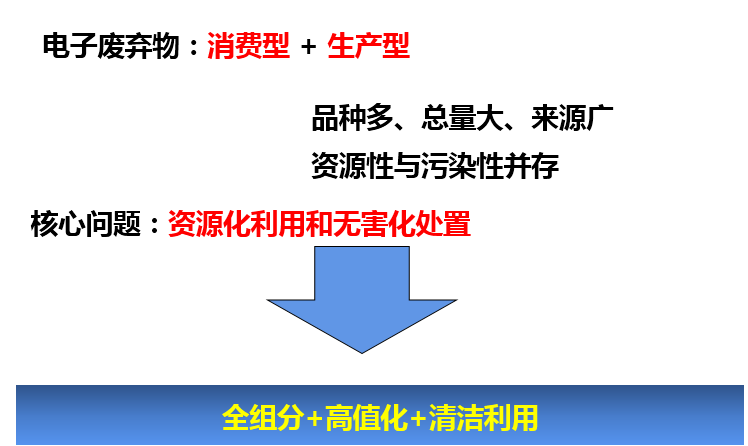
At present, the utilization rate of resources is not high, the secondary pollution is serious, and there is a lack of exemplary and systematic intellectual property output, application and promotion system. Turning waste into treasure and recycling is a sunrise industry.
The four departments, namely, the Ministry of Finance, the Ministry of Ecology and Environment, the National Development and Reform Commission and the Ministry of Industry and Information Technology, have adjusted the subsidy standard of the waste Electrical and Electronic equipment disposal Fund, which shall enter into force as of April 1, 2021.


![Platinum Prices Held Up Well Intraday, Spot Discounts Remained Basically Flat, and Overall Trading Was Sluggish [SMM Daily Review]](https://imgqn.smm.cn/usercenter/fNuSg20251217171735.jpg)