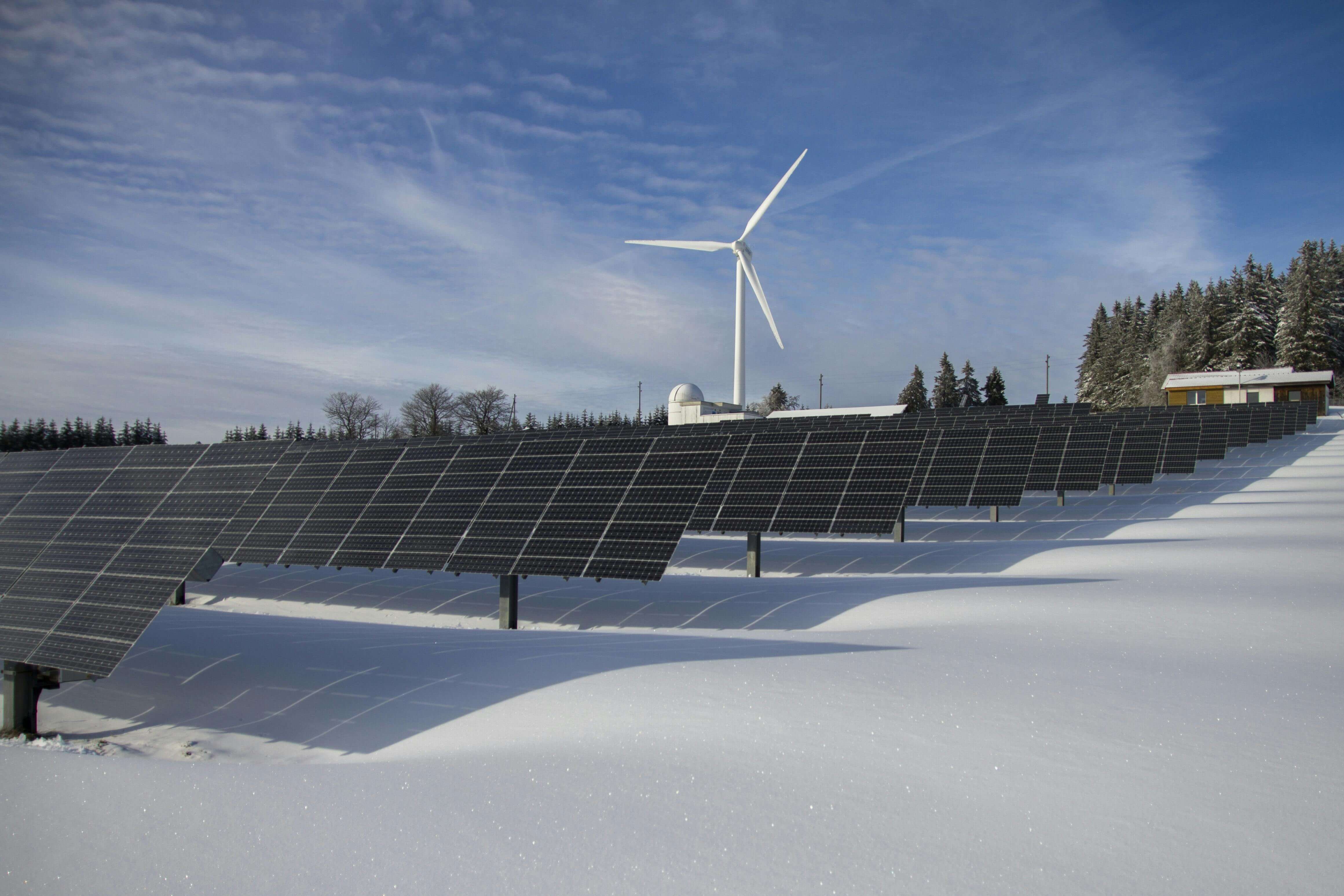
With the establishment of the carbon neutralization schedule of China's "3060-year Plan", the main tone for the development of green and low-carbon industries such as new energy vehicles and clean energy has been set. Internationally, the European Union, the United Kingdom, the United States, Japan, South Korea, Canada and other countries are committed to achieving carbon neutrality by 2050. It is understood that at present, 133 countries around the world have put forward carbon neutralization targets in different forms, accounting for about 72% of global carbon emissions and 85% of the global economy.
Under the vision of carbon neutrality, a breakthrough has been made in the transformation and development of new energy vehicles in the global automobile industry. as of August this year, the cumulative production and sales of new energy vehicles in China has been close to 7.3 million, and the number of new energy vehicles in the world has exceeded 10 million.
The global leading position is stable and the distribution of the European market is accelerated.
China accounts for more than 70% of the global number of new energy vehicles. In addition, new energy vehicles are also developing rapidly in the European market. According to the European Association of Automobile Manufacturers, 1.023 million new energy passenger vehicles were registered in 30 European countries from January to June 2021, an increase of 157.1% over the same period last year, and the electrification rate increased to 15.9% from 11.5% in 2020.
In July, the European Commission announced that it would achieve a ban on the sale of fuel vehicles, also aimed at hybrid cars, by 2035. Europe is determined to develop new energy vehicles, prompting some domestic battery new energy industry giants to choose to go out to sea to look for business opportunities.
As early as 2019, the Ningde era invested 1.87 billion yuan to build the first overseas factory in Thuringia, Germany. Hope to form a local power battery supply capacity in Europe, in order to get closer to European customers.
According to Ningde Times, the construction of the German factory is progressing in an orderly manner, and the first module production line has been put into production.
In terms of overseas data, according to SNE data, Ningde era continued to expand overseas markets this year, especially in the European market. In the first half of the year, Ningde era power battery usage ranked second, far exceeding Panasonic and Samsung SDI,. European power battery usage has reached 5.8GWhin only half a year, and has exceeded the sum of all overseas market power battery usage of the company last year.
2021 is a big year for electric vehicle sales in China, Europe and the United States. Soochow Securities expects the domestic market to sell more than 3 million vehicles, an increase of 125% over the same period last year; the European market is expected to sell 2-2.2 million vehicles, an increase of 69% over the same period last year; the US market is expected to sell 700000 vehicles, an increase of 116% over the same period last year; total global sales of more than 6 million vehicles, nearly doubling year-on-year growth, corresponding to power battery demand exceeding 250GWh.
Soochow Securities believes that in the Ningde era, the share of installed capacity in the domestic market can be maintained at about 50% for a long time. In addition, benefiting from the sharp increase in the company's battery exports, the installed capacity share of the European market will continue to increase, and the US market is expected to break through. It is expected that the company's global installed capacity share will gradually increase to 30% MUE 35%, making Longyi a stable position in the world.
Holding hands with European local suppliers to hold the "life source" of lithium materials
Ningde era has a solid position as the leader in the global power battery field, but it is not easy to enter the European market. In order to ensure the "green" of the whole life cycle of power batteries put into the EU market, at the beginning of this year, the EU increased the carbon footprint of batteries with a capacity above 2kWh, and put forward new requirements for the due diligence of operators and the recycling and disposal of waste batteries.
Carbon neutralization has become a global consensus, and battery, as the basic component of clean energy and traffic electrification, is the bull's nose to achieve carbon neutralization. It is worth noting that the European Union has proposed that from July 1, 2024, only power batteries with a carbon footprint declaration can be put on the market. As the leader of power battery, Ningde era is taking the lead in optimizing the carbon footprint of the supply chain.
Wu Hui, general manager of the research department of the Yiwei Economic Research Institute and director of the China Battery Industry Research Institute, said that if battery manufacturers want to achieve the goal of carbon neutralization in the whole process, it not only involves the realization of 100% green energy in production and research and development, but also includes carbon emission management in the production and transportation of upstream lithium ores, positive and negative materials, battery packs, and so on, in order to enter the European market. The power battery plant will also put forward requirements for reducing carbon emissions in the supply chain.
In order to implement the European localization strategy and achieve the goal of global carbon neutralization, Ningde Times and BASF Europe recently announced the establishment of a strategic partnership in the field of battery material solutions, the two sides will focus on positive active materials and battery recycling, to work closely together.
It is understood that BASF, headquartered in Ludwigshafen, Germany, is the world's largest supplier of chemicals to the automotive industry. The company has established a strong market advantage in the field of positive active materials, manufacturing and R & D footprints all over the world.
As an important means to reduce carbon emissions, battery recycling can make secondary use of metal resources, turn waste into treasure, and promote the recycling of resources. Ningde era and BASF strategic cooperation to strengthen the recycling of power batteries will also effectively reduce carbon emissions and help global carbon neutralization.
Wu Hui pointed out that Europe attaches importance to clean energy development, and the Ningde era holding hands with BASF will help promote the company's localization in Europe, form a localized battery recycling network, create a guaranteed raw material supply chain, and effectively reduce costs. Enhance customer service in Europe.
At the present stage, European local battery enterprises have not yet formed large-scale production capacity. In addition to the Ningde era, BYD, Guoxuan Hi-Tech and Honeycomb Energy are all actively laying out the European market. As active practitioners of the double carbon goal, the Ningde era grasps the time window and holds hands with the supply chain to promote the localization process, so as to add a "sharp weapon" in the international market competition in the future.
![[SMM Revisión semanal del mercado de celdas de baterías de almacenamiento de energía 9.3] La escasez de láminas de cobre limita los programas de producción de septiembre, los precios de las celdas de baterías de almacenamiento de energía se mantienen firmes](https://imgqn.smm.cn/usercenter/tKgKv20251217171725.png)

![Lithium Carbonate Market Weekly Review: 8.31-9.3 spot lithium carbonate prices rose first then fell, overall downward trend [SMM Weekly Review]](https://imgqn.smm.cn/usercenter/PPLUj20251217171727.jpg)