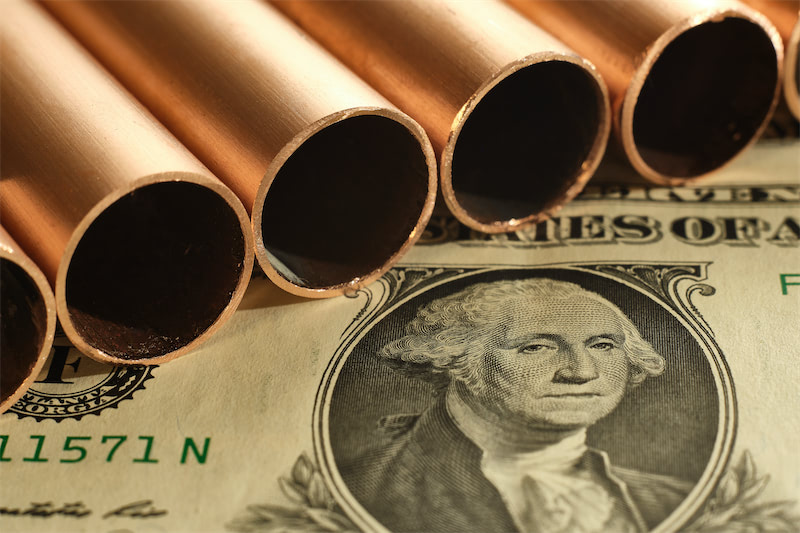
The biggest increase in interest rates in two decades the highest tax among copper mining countries is coming to the world's largest copper producer again. Why?

Published: Sep 1, 2021 11:08

Since the outbreak of the new crown epidemic, copper prices have soared all the way. Recently, Chile, the world's largest copper producer, has acted frequently.

On Tuesday, the Chilean Senate Mining Committee approved a draft legislation on copper royalties by a vote of 3 to 2, which will then be submitted to the full Senate for a vote.

This is a royalty bill, (a royalty bill), which aims to significantly increase the tax on copper mining in Chile. The new bill is intended to soften the version passed in the House of Commons in May this year.

Like other mining countries, the Chilean government is seeking a bigger share of mining profits to mitigate the adverse effects of the novel coronavirus epidemic.

Some economists commented that the bill would make Chilean copper mining companies tax far higher than other copper producing countries, thus weakening their competitiveness and creating a heavy tax burden in Chile.

At the same time, Chile is drafting a new constitution that may require tighter regimes, including water resources and mining.

Although the new copper royalty system is likely to replace the current profits tax, it is not included in the bill. Some government officials have suggested that the two systems can be operated at the same time. Most of Chile's big mining companies have signed tax stabilization agreements until 2023.

On the same day that the committee adopted the draft, the Chilean government unveiled a road map for the next 30 years, which included a 57 per cent increase in copper production while maximizing social benefits through "fair and competitive" taxes.

Overall, on the supply side, higher taxes on copper mines in Chile, the world's largest copper producer, will raise concerns about the outlook for copper supply. On the demand side, the recovery of the global economy from the impact of the epidemic and the prospect of renewable energy and electric vehicles boosting copper demand could further support the rise in copper prices.

Chile's central bank raises interest rates by 75 basis points to 1.5%

Since the Fed issued a hawkish signal to raise interest rates in July, emerging economies have been forced to start several rounds of interest rate hikes, scrambling to "snatch" the Fed to ease inflationary pressures at home and abroad.

On Tuesday, Chile's central bank surprised markets by raising interest rates by 75 basis points to 1.5%, the biggest rate hike in 20 years.

Of the 17 economists interviewed earlier, 12 expected the Chilean central bank to raise interest rates by 50 basis points, while the remaining five expected a second 25 basis point increase.

Chile's consumer price index, (CPI), rose 4.5 per cent in the 12 months to July. The central bank of Chile has an inflation target of 3 per cent and a tolerance of plus or minus 1 percentage point.

Since the new crown outbreak, Chilean government stimulus measures have boosted consumer demand and continued to push inflation above target. Luis Felipe Alarcon, chief economist in Europe and the United States, said:

Given strong consumption, fiscal expansion and inflationary pressures, it is realistic for Chile's central bank to raise interest rates by 75 basis points. If the factors driving the rate rise persist, the Chilean central bank is likely to maintain this rate of increase.

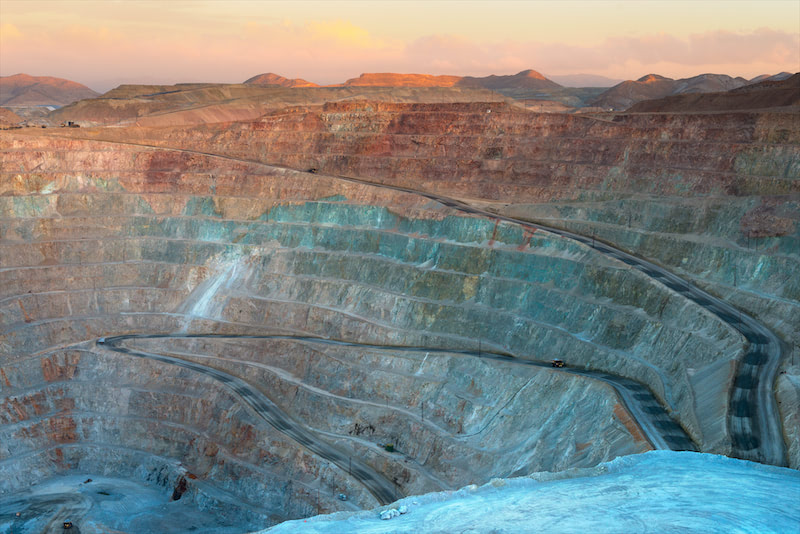
Data Source Statement: Except for publicly available information, all other data are processed by SMM based on publicly available information, market communication, and relying on SMM‘s internal database model. They are for reference only and do not constitute decision-making recommendations.

For any inquiries or to learn more information, please contact: lemonzhao@smm.cn
For more information on how to access our research reports, please contact:service.en@smm.cn
Related News
"Fluctuating Copper Prices and Tight Supply Squeeze Secondary Copper Industry, Pressuring Upstream and Downstream"
12 hours ago
"Fluctuating Copper Prices and Tight Supply Squeeze Secondary Copper Industry, Pressuring Upstream and Downstream"
Read More
"Fluctuating Copper Prices and Tight Supply Squeeze Secondary Copper Industry, Pressuring Upstream and Downstream"
This week, against the backdrop of fluctuating upward copper prices, the secondary copper industry chain showed a complex situation in which extremely tight upstream raw material supply coexisted with persistent negative margins for downstream finished products. In the secondary copper rod market, SMM data showed that the operating rate fell further to 5.45% this week, down 0.38 percentage points MoM and 25.43 percentage points YoY
12 hours ago
Chile's Water Crisis Threatens Atacama's Copper and Lithium Mining Amid 14-Year Drought
Apr 3, 2026 19:10
Chile's Water Crisis Threatens Atacama's Copper and Lithium Mining Amid 14-Year Drought
Read More
Chile's Water Crisis Threatens Atacama's Copper and Lithium Mining Amid 14-Year Drought
Chile’s most pressing crisis at present is the issue of water resources. The Atacama Desert in Chile is one of the driest regions in the world and also the core area for copper and lithium ore extraction. The local area has experienced a drought for as long as 14 years, and reservoir storage has fallen to only about 30%. For miners, water resources are not a secondary issue, but an indispensable key production factor in such processes as ore processing, dust suppression, and equipment cooling. The decline in ore grade has further exacerbated the predicament
Apr 3, 2026 19:10
Trump Adjusts Metal Tariffs, Applies 50% Rate to Consumer Prices Under Section 232, Details Unclear
Apr 3, 2026 19:09
Trump Adjusts Metal Tariffs, Applies 50% Rate to Consumer Prices Under Section 232, Details Unclear
Read More
Trump Adjusts Metal Tariffs, Applies 50% Rate to Consumer Prices Under Section 232, Details Unclear
US President Trump adjusted the national security tariffs on imports of steel, aluminum, and copper, lowering the tariff rates on derivative products made from these metals, streamlining compliance procedures, and preventing the declared value of imports from being understated.A senior Trump administration official said that, under a proclamation signed by Trump, the US would continue to maintain a 50% import tariff on imports of metal commodities such as steel, aluminum, and copper pursuant to Section 232 of the Trade Act of 1974, but would apply this rate to the price paid by US consumers. It is currently unclear how the selling price—and the resulting tariffs—would be determined.
Apr 3, 2026 19:09