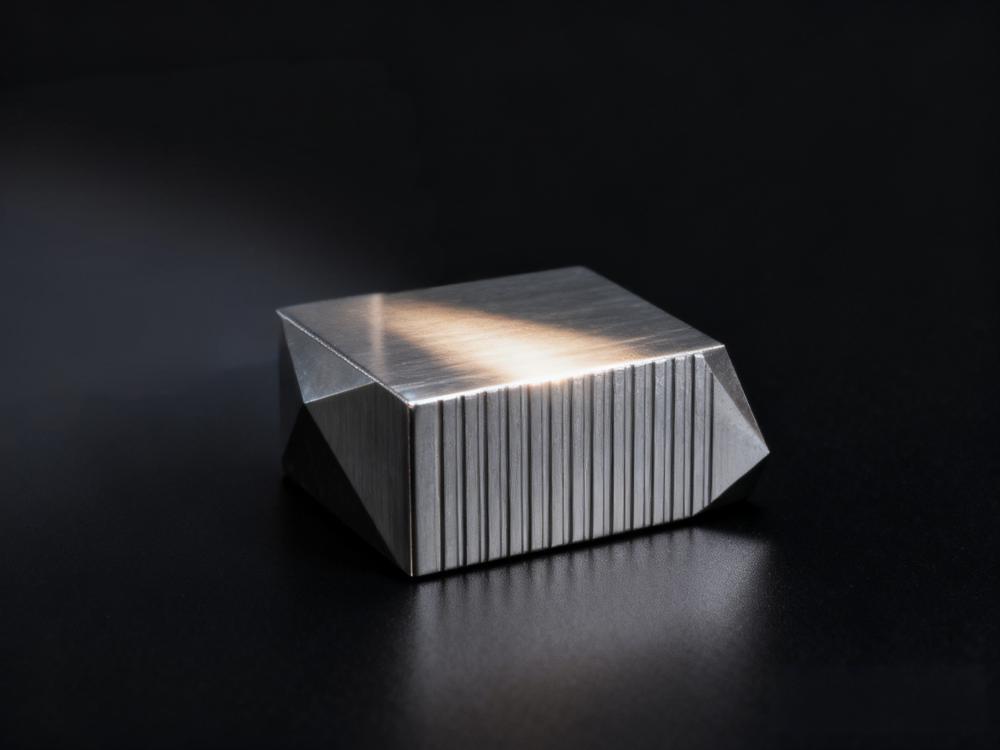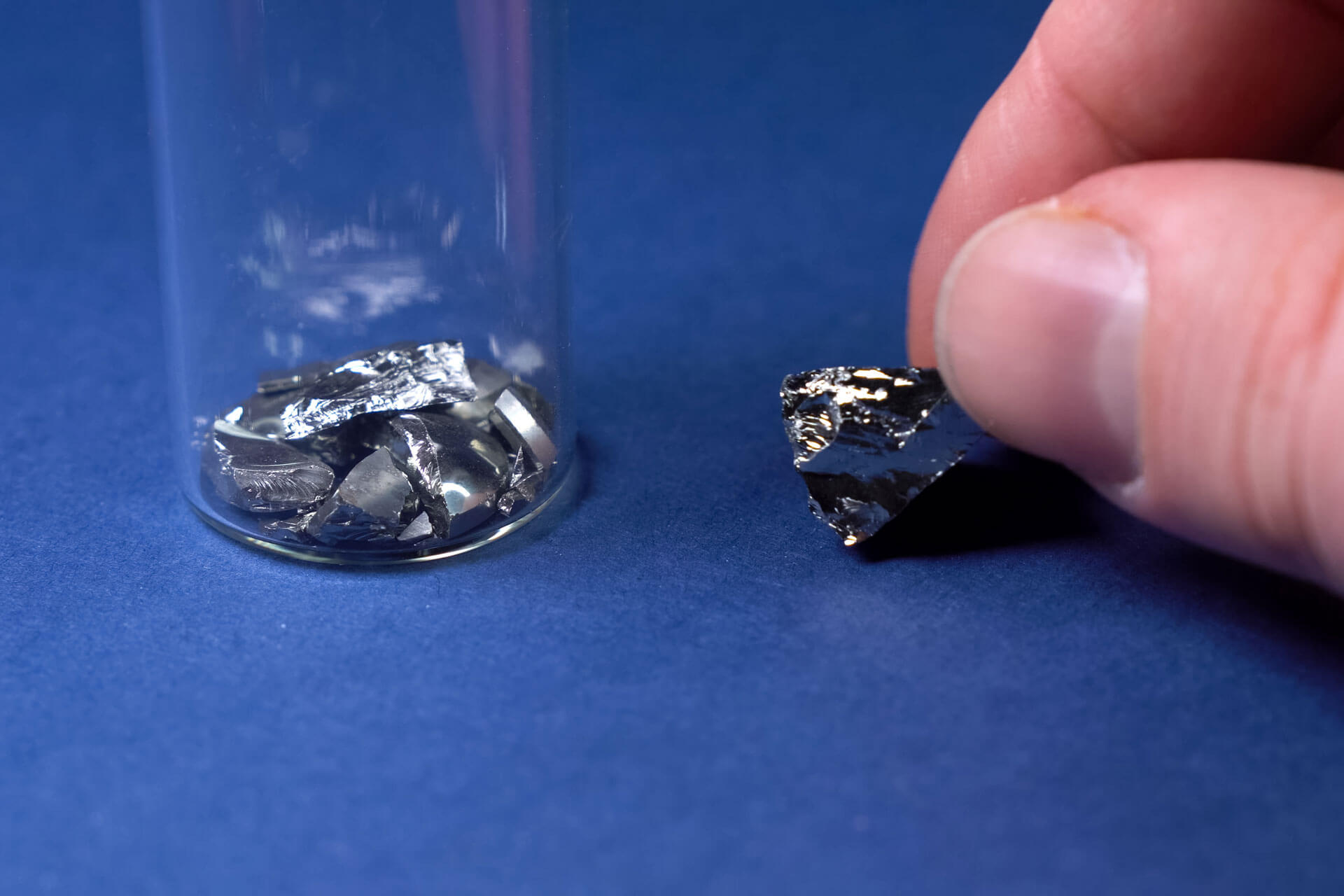
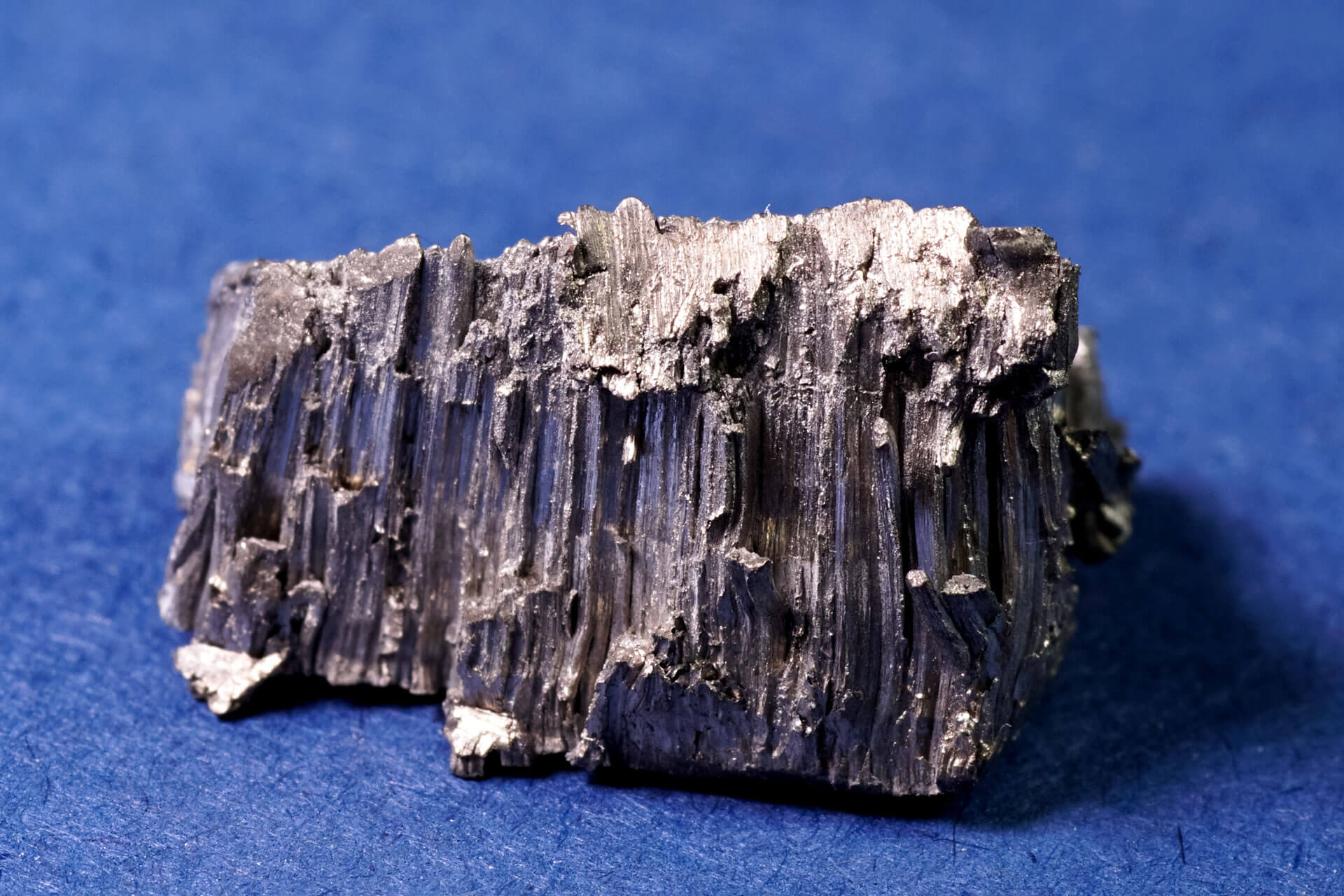
Baotou rare Earth Research Institute successfully developed rare earth heat resistant agent for rubber.

Silicone rubber is widely used in electrical, electronic, office equipment, automotive, construction, medical, food and artificial organs and other fields because of its excellent weather resistance, high and low temperature resistance, electrical insulation, radiation resistance, biological inertia and so on. With the development of modern science and technology, the demand for heat resistance of silicone rubber in various fields is higher and higher. For example, the cabin temperature of aero-engine is often above 300 ℃, which puts forward higher requirements for oil resistance and high temperature resistance of rubber accessories.

The rare earth separation and application team of Baotou rare Earth Research Institute and Beijing Aeronautical Materials Research Institute of China have successfully developed a light rare earth heat resistant agent for silicone rubber and fluorosilicone rubber. The product has been tested and verified by Beijing Aeronautical Materials Research Institute of China, which can effectively improve the use temperature of silicone rubber and fluorosilicone rubber materials and improve their heat resistance grade. The heat resistance of silicone rubber products prepared with self-developed rare earth heat-resistant agents has reached the level of using similar imported products (Dow RMB-9001), which can realize the domestic substitution of this kind of high value-added heat-resistant agent products.

In the aerobic and high temperature environment, silicone rubber mainly occurs the degradation of main chain and the oxidation of side chain methyl, which leads to the decline of mechanical properties of silicone rubber. The addition of rare earth heat-resistant agent to silicone rubber can effectively improve the heat resistance of silicone rubber. The mechanism is that the redox rare earth elements can prevent the free radical reaction in silicone rubber due to oxidation in a certain temperature range. at the same time, rare earth metal compounds can absorb some trace acids or basic substances in silicone rubber that can catalyze the degradation reaction, thus play a role in thermal stability of silicone rubber.

Rare earth resources are valuable strategic resources, but the application field of light rare earth lanthanum and cerium resources is limited, the utilization rate of resources is low, the product backlog is large, and the market price is depressed for a long time, the core reason lies in the lack of development and application. The successful research and development of light rare earth heat-resistant agent for special rubber materials will help to promote the high-value utilization of lanthanum and cerium, which also shows that the combination of rare earth and polymer materials has a broad application prospect.
Data Source Statement: Except for publicly available information, all other data are processed by SMM based on publicly available information, market communication, and relying on SMM‘s internal database model. They are for reference only and do not constitute decision-making recommendations.

For any inquiries or to learn more information, please contact: lemonzhao@smm.cn
For more information on how to access our research reports, please contact:service.en@smm.cn
Related News
Frontier Secures $20 Million and Signs Rare Earth Offtake Agreement
Feb 6, 2026 18:46
Frontier Secures $20 Million and Signs Rare Earth Offtake Agreement
Read More
Frontier Secures $20 Million and Signs Rare Earth Offtake Agreement
Luxembourg-based Frontier Rare Earths today announced it successfully obtained a $20 million investment from South Africa's Industrial Development Corporation (IDS) and signed an offtake agreement with France's Carester. The company has now initiated the final feasibility study for its South African magnet-use rare earth and battery-grade manganese project. Frontier Rare Earths is currently advancing the development of the Zandkopsdrift project in South Africa. The project is expected to achieve an annual capacity of approximately 3,038 mt of Pr-Nd oxide, 114 mt of dysprosium oxide, and 25 mt of terbium oxide over the first 25 years.
Feb 6, 2026 18:46
US Provides $565 Million in Financing for Brazilian Rare Earth Project
Feb 6, 2026 18:43
US Provides $565 Million in Financing for Brazilian Rare Earth Project
Read More
US Provides $565 Million in Financing for Brazilian Rare Earth Project
Serra Verde, a Brazilian rare earth element producer, announced today that the US International Development Finance Corporation (DFC) offered it a financing package worth $565 million, which also includes an option for the US government to acquire a minority stake in the company. Serra Verde’s Pela Ema ionic clay deposit in Brazil is scheduled to begin commercial production in 2024, with an expected annual output of 5,000 mt of total rare earth oxides, including dysprosium, erbium, neodymium, and praseodymium. Serra Verde plans to use the funds to refinance existing loan facilities and expand production capacity. The project aims to increase total rare earth oxide production to 6,500 mt per year by 2027.
Feb 6, 2026 18:43
US DFC Offers $565M Financing to Brazilian Rare Earth Project
Feb 6, 2026 18:42
US DFC Offers $565M Financing to Brazilian Rare Earth Project
Read More
US DFC Offers $565M Financing to Brazilian Rare Earth Project
[SMM Flash: US Provides $565 Million in Financing for Brazilian Rare Earth Project] Serra Verde (a Brazilian rare earth element producer) announced today that the US International Development Finance Corporation (DFC) has provided it with a financing package worth $565 million, which also includes an option for the US government to acquire a minority stake in the company. Serra Verde's Pela Ema ionic clay deposit in Brazil is scheduled to commence commercial production in 2024, with an expected annual output of 5,000 mt of total rare earth oxides, including elements such as dysprosium, erbium, neodymium, and praseodymium. Serra Verde plans to use the funds to refinance existing loan facilities and expand production capacity. The project aims to increase the annual production of total rare earth oxides to 6,500 mt by 2027.
Feb 6, 2026 18:42