(Namibia's Ministry of Mines and Energy) of the Ministry of Mines and Energy of Namibia has issued a 25-year mining license to (Namibia Critical Metals), a key Namibian metals company listed on the Toronto Stock Exchange (TSX), for its Lovdahl (Lofdal) heavy rare earth dysprosium-terbium project.
The mining license is valid until May 10, 2046 and is issued to its 100%-owned subsidiary, Namibian rare Earth Company (Namibia Rare Earths). The Lovdahl project is co-financed by the company and (JOGMEC), a Japanese oil, gas and metals state company.
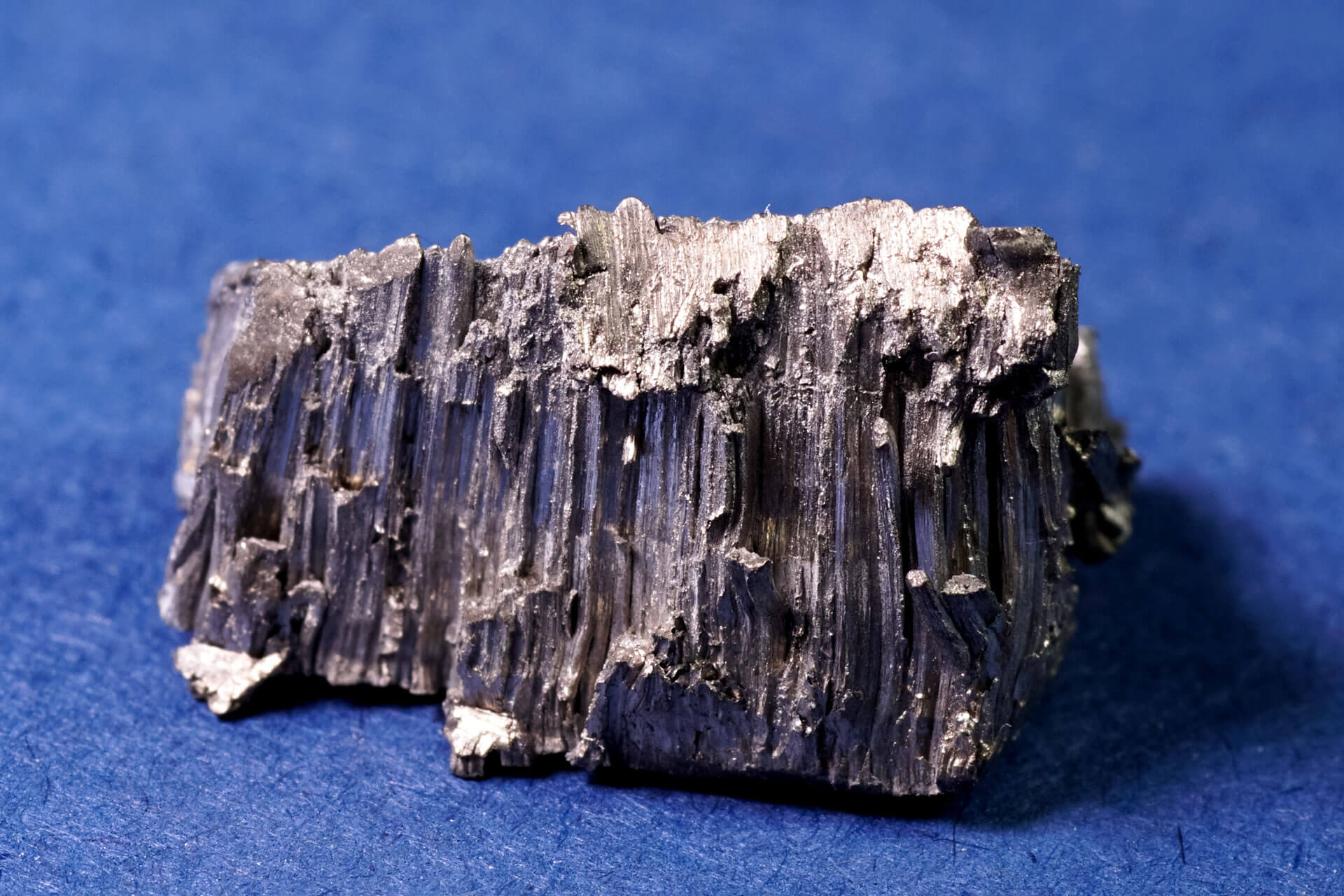
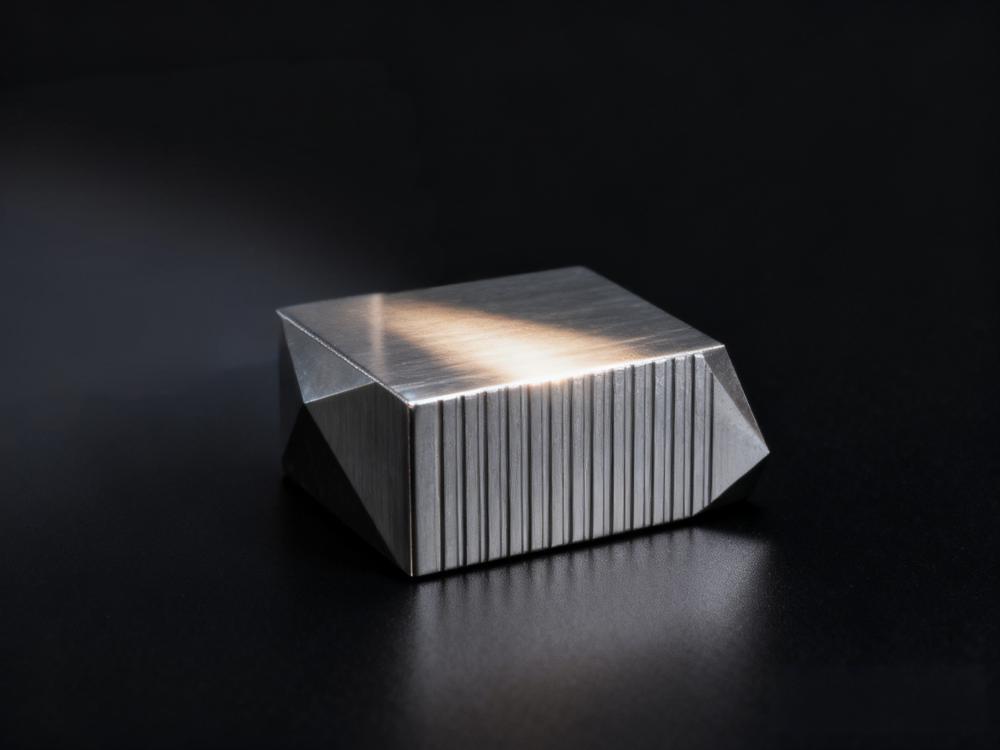
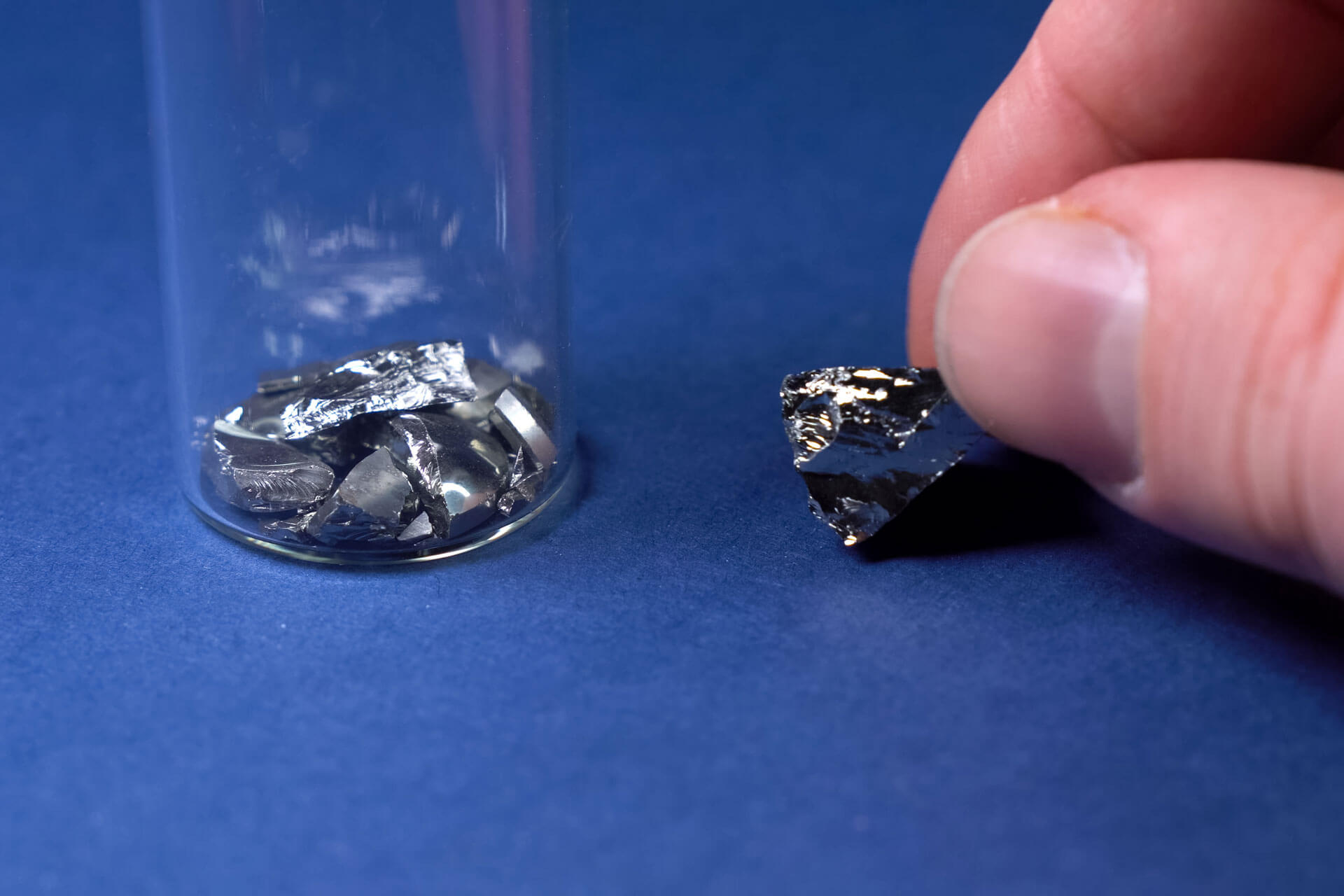
Lovdahl is one of only two yttrium phosphate (xenotime) projects under development in the world. The deposit has the potential to produce large quantities of dysprosium and terbium, the two most valuable heavy rare earths used in high-power magnets. The project was developed to provide Japan with a sustainable supply of heavy rare earths.
Mining permits are granted on the condition that ordinary Namibians account for at least 20 per cent of the (historically disadvantaged Namibians) in management; these Namibians are on the board of permit applicants; and they should have at least 5 per cent of the voting rights. Key metals companies in Namibia have begun to restructure the management and equity interests of their Namibian subsidiaries to meet these conditions.
An important footprint in Namibia
Darin Campbell (Darrin Campbell), President of key Metals in Namibia, said: "this is an extremely important milestone and achievement for the Lovdahl project, the company and the Republic of Namibia. Following the announcement of the renewal of mineral resources in May this year, we have ushered in a major value inflection point. Lovdahl is a fully licensed mining project immediately after it was announced that it had received an environmental permit from Lovdahl on June 30, 2021. "
Namibian key Metals has diversified exploration and advanced phase projects in Namibia, focusing on the development of sustainable and standards-compliant metal resources for batteries, electric vehicles and related industries. The two advanced stages of the investment are the Lovdar heavy rare earth project and the Effenberg (Epembe) tantalum niobium and uranium project. The company also owns a lot of land in areas conducive to gold mineralization.
The company's exclusive gold exploration license (EPLs) project is located in the central Namibian gold belt, which is home to many important orogenic belt gold deposits, including the Navachabu (Navachab) gold deposit, the Ojicoto (Otjikoto) gold deposit and the recently discovered Shuangshan gold deposit (Twin Hills). The Elongo (Erongo) gold project has identified the same stratum as the recent discovery of the Osino (Osino) gold deposit in Shuangshan and is conducting soil surveys in this promising area.
The Grofontein (Grootfontein) base metals and gold project has the potential for magmatic copper-nickel mineralization (magmatic copper-nickel mineralisation), Mississippi valley-type zinc-lead-vanadium mineralization (Mississippi Valley-type zinc-lead-vanadium mineralization) and Ogicotto type gold mineralization. The first gold deposit target has been determined by detailed interpretation of geophysical data and regional geochemical soil sampling.
The Effenberg tantalum-niobium-uranium project is in the advanced exploration stage. Through detailed mapping and radioactivity measurements from boreholes over 11000 meters, a 10 km long carbonate dike has been identified. Preliminary mineralogical and metallurgical studies, including the separation of (sorting) test (XRT), have shown that there is potential for a significant scale upgrade. Further work will be carried out to advance the project to the preliminary economic evaluation stage.
Finally, the (Kunene) copper-cobalt project in the reservoir includes large stratigraphic favorable areas along the strike of the Opwar (Opuwo) cobalt-copper-zinc deposit. The development of secondary copper mineralization in a large area indicates that there is a hydrothermal system on a regional scale. The exploration targets of the exclusive exploration license (EPL) for the copper-cobalt project in the reservoir include cobalt-copper mineralization directly extending westward (cobalt-copper mineralization), sedimentary copper mineralization (sediment-hosted copper), orogenic belt copper mineralization (orogenic copper), and stratabound manganese and zinc-lead mineralization (stratabound manganese and zinc-lead mineralisation).