TSMC is considering building factories in Germany and Japan to diversify its supply chain.

Published: Jul 26, 2021 16:40

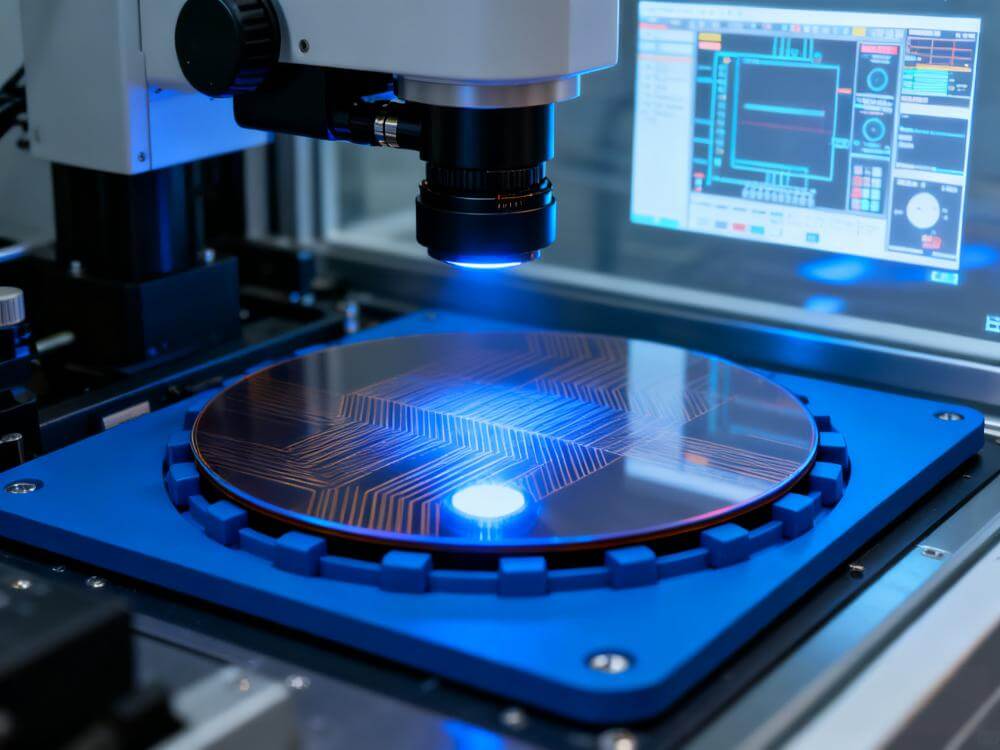
Liu Deyin, chairman of TSMC, told shareholders on Monday that the company was considering setting up a chip manufacturing plant in Germany, but that it was in the early stage of discussion. In addition, TSMC will continue to conduct due diligence on setting up a plant in Japan, a decision that will depend on customer demand. It is reported that the company holds weekly talks to assess the feasibility of these projects.

In these two cases of potential business expansion, TSMC wants to share the cost with the other party, regardless of whether the main body of the other party is the customer, or the government authority that wants to introduce the chip business. In addition to Germany and Japan, TSMC is already setting up a new plant in Arizona.

Plan to expand business in Europe

TSMC's main core customers are in Germany, including chip designer Infineon and carmakers such as Volkswagen and Daimler, which rely on TSMC for their chip supplies.

Competition on the chip supply side is also heating up. TSMC's rival (GlobalFoundries Inc.) is looking to expand its fab in Dresden, Germany, and Intel has expressed interest in building a plant in Dresden. If all these plans come to fruition, Germany could become the chip manufacturing center of Europe.

"on the German issue, we are making a serious assessment, but this is still at a very early stage." When asked to build chip manufacturing plants in EU countries, Liu Deyin said at the annual shareholders' meeting on Monday, "We will continue to communicate with our major customers in Germany to see if this is the most important and effective for our customers."

"it's too early to tell," says Mr Liu. "customers are behind our global expansion and we will act very cautiously."

At present, chip manufacturers are speeding up production to solve the problem of supply shortage. TSMC plans to spend $100 billion to increase capacity over the next three years and join Samsung Electronics, Intel and other industry companies in the race to expand capacity.

The establishment of a factory in Japan is under due diligence.

TSMC had previously said it might build a chip factory in Japan. According to media reports, the investment in the plant will exceed one trillion yen, with TSMC accounting for 50% and Japanese semiconductor companies holding the rest.

"it is true that the cost of setting up a factory in Japan is much higher than that in Taiwan, but the investment is also due to customer demand, and we also discuss the cost with our customers, hoping to help us overcome such problems," Liu Deyin said on Monday.

As for the risks of the global layout, Liu Deyin stressed once again that "TSMC acted prudently to ensure that the global layout reduced the possible risks, which was carefully assessed with customer support."
Data Source Statement: Except for publicly available information, all other data are processed by SMM based on publicly available information, market communication, and relying on SMM‘s internal database model. They are for reference only and do not constitute decision-making recommendations.

For any inquiries or to learn more information, please contact: lemonzhao@smm.cn
For more information on how to access our research reports, please contact:service.en@smm.cn
Related News
Titanium Market Structure Becomes Clearer: Upstream Consolidates at Weak Levels, Midstream and Downstream Strength Expected [SMM Titanium Weekly Review]
1 hour ago
Titanium Market Structure Becomes Clearer: Upstream Consolidates at Weak Levels, Midstream and Downstream Strength Expected [SMM Titanium Weekly Review]
Read More
Titanium Market Structure Becomes Clearer: Upstream Consolidates at Weak Levels, Midstream and Downstream Strength Expected [SMM Titanium Weekly Review]
[SMM Titanium Weekly Review: Titanium Dioxide Showed Signs of Recovery; Diverging Strength Across the Titanium Industry Chain Market This Week] This week, the titanium industry chain in China showed pronounced structural divergence, with the tug-of-war between sellers and buyers across upstream and downstream segments intensifying and cost pass-through facing obstacles. Overall, the sector was characterized by a combination of weak recovery and localized strong support. Trading in upstream titanium ore and titanium slag was sluggish. Downstream processing enterprises tightly controlled costs, with procurement consistently maintained at a pace driven by rigid demand. Coupled with inventory at high levels across the industry, the raw material end remained under pressure, enterprises’ willingness to operate stayed weak, capacity release was constrained, and the supply-demand imbalance continued to stand out. In the midstream titanium dioxide segment, pressure from elevated costs of raw materials and energy sharply increased production-side strain. Enterprises held prices firm and showed a strong willingness to sell, and while domestic trade demand did not see a noticeable increase in volume—relying only on rigid-demand support—overseas markets still demonstrated a certain degree of resilience, leaving the overall market running relatively strong. The downstream sponge titanium and titanium products segments performed impressively: sponge titanium inventories remained low, and, together with robust downstream restocking demand, top-tier enterprises proactively adjusted prices, with enterprises showing strong confidence in holding prices firm. The titanium products market saw stable supply and demand: the supply-side operating rate was steady, while demand-side differentiation was evident. Civilian applications were mainly driven by rigid-demand restocking, while orders in high-end fields such as aerospace and military industries were steady. The market recovered steadily, and differences in the pace across segments of the industry chain also set the tone for subsequent market dynamics.
1 hour ago
Manganese-based Battery Materials: Differentiated Trends, Cost-Supported Stability
5 hours ago
Manganese-based Battery Materials: Differentiated Trends, Cost-Supported Stability
Read More
Manganese-based Battery Materials: Differentiated Trends, Cost-Supported Stability
This week, China’s domestic manganese-based battery materials market has shown a differentiated operation trend. The price of battery-grade manganese tetroxide has slightly declined, the price of electrolytic manganese dioxide has slightly increased, and lithium manganate has maintained a weak balance of supply and demand.
5 hours ago
Manganese Sulfate: Sustained Rally on Cost Support & Firm Demand
5 hours ago
Manganese Sulfate: Sustained Rally on Cost Support & Firm Demand
Read More
Manganese Sulfate: Sustained Rally on Cost Support & Firm Demand
In contrast to the typical price declines seen during the traditional spring festival low season from January to February in previous years, China’s domestic manganese sulfate market has recently staged an independent rally of “strong performance amid the off-season”, with prices rising steadily along the way.
5 hours ago
TSMC is considering building factories in Germany and Japan to diversify its supply chain. - Shanghai Metals Market (SMM)