In China, the total energy consumption of buildings has reached more than 46% of the total social energy consumption. At present, the new construction area in China is about 200 billion square meters every year, of which more than 99% belong to high energy consumption buildings. In recent years, China's building energy efficiency standards have increased from 30% in the past to 50%, and some first-tier cities such as Beijing and Shanghai require 65%. The promulgation of this standard has brought unprecedented opportunities to the whole building thermal insulation industry.
When the reflective thermal insulation coating is applied on the surface of the object, it can improve the reflection of solar thermal radiation, reduce the solar heat absorption, play the role of heat insulation and cooling, reduce the surface temperature by 15 ℃-20 ℃, and the indoor temperature by 1 ℃-3 ℃. Ease the heat island effect of the city, and greatly reduce the manpower, material and resources consumed by people in cooling and cooling.
The thermal reflectivity of the reflective thermal insulation coating is more than 90%, and the air conditioning cost can be saved by 15-20% when applied to buildings. When applied to oil and gas chemical storage tanks, it also has an obvious effect of energy saving and gain. Compared with thermal insulation coating, it can save at least 300000 yuan in 5 years. From the two aspects of thermal insulation function and comprehensive economic benefits, near-infrared reflection thermal insulation coating is a new type of environmental protection product with huge benefits.
Architectural coatings account for about 30% of the total paint output in China. The development of white reflective thermal insulation coatings is relatively mature, and there are many different types of products on the market. At present, the domestic consumption of white reflective thermal insulation coatings accounts for 90% of the total usage. However, the utilization rate of white coatings accounts for less than 20%, and the utilization rate of colored coatings is as high as 80%. There is a huge gap in the color and dark paint market. The combination of color and dark near-infrared reflection pigments, reflection thermal insulation fillers and color paste is the development trend of this kind of coating in the future.
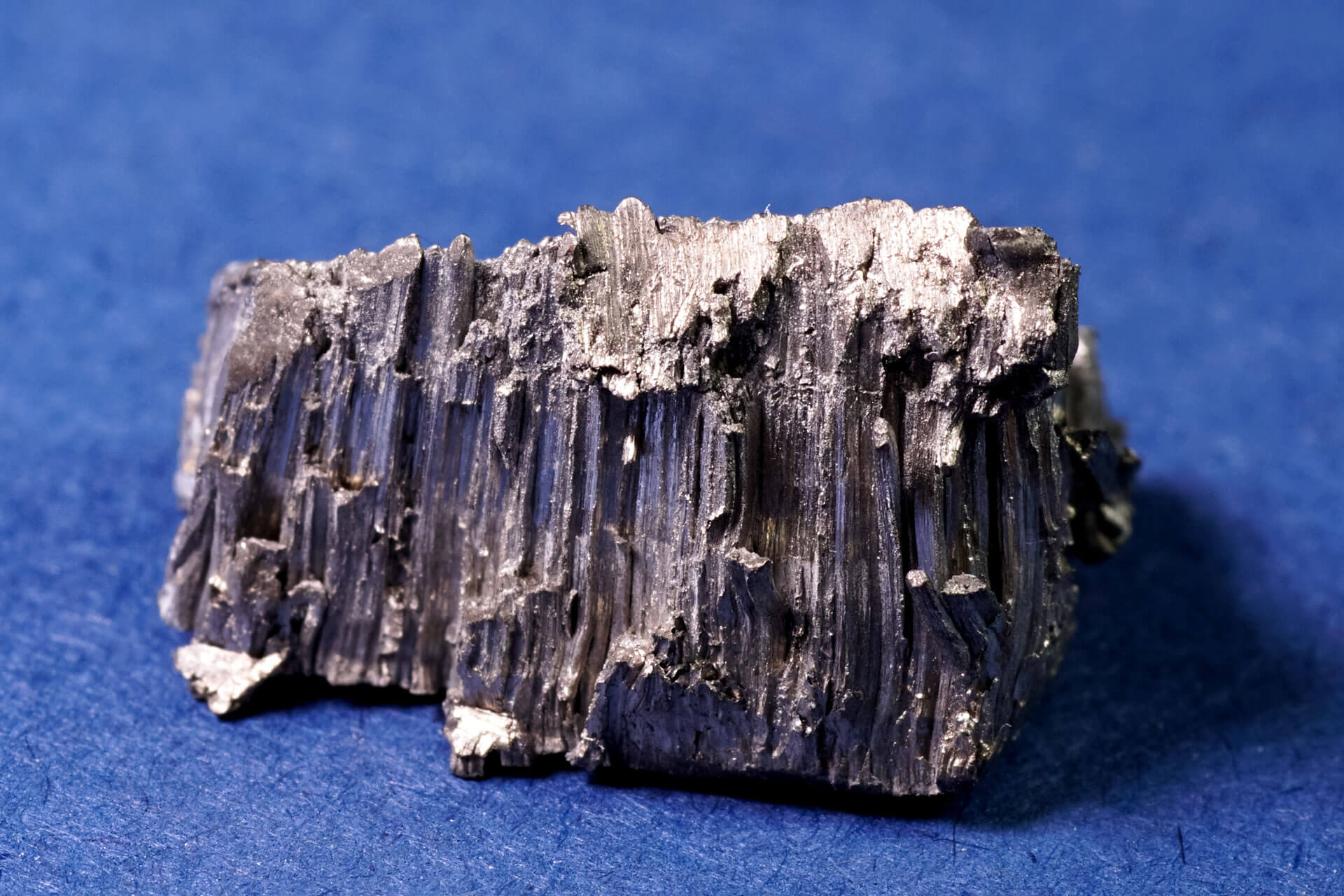
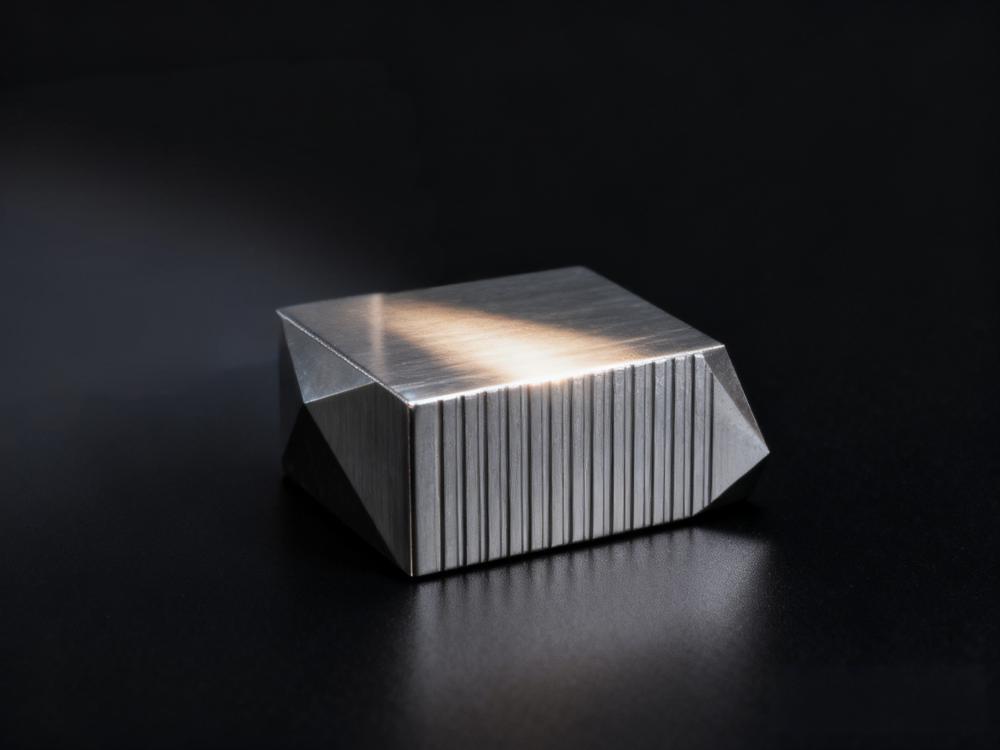
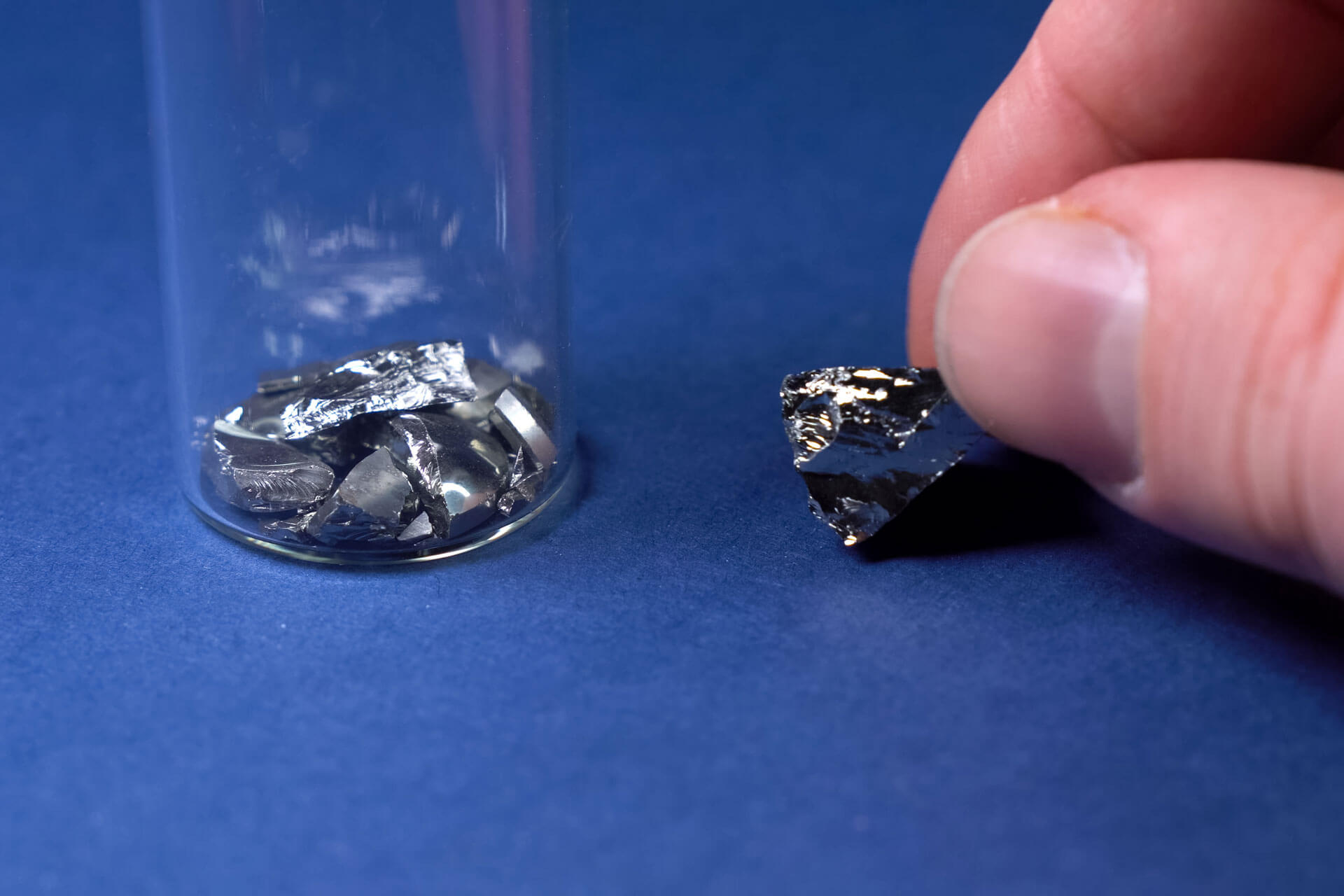
Baotou rare Earth Research Institute prepared different color (yellow, red, blue) rare earth near infrared reflection thermal insulation material powder. The powder of rare earth near infrared reflection thermal insulation material was mixed with water, auxiliaries, resin emulsion and fillers according to a certain proportion and order, and stirred at high speed until the state was uniform, and different colors of color reflection heat insulation coatings were obtained. Enlarge the preparation process of rare earth oxide powder and paint, and build a demonstration line of rare earth doped reflection thermal insulation pigment powder with an annual output of 10 tons and a demonstration line of colorful reflection thermal insulation coating with an annual output of 100 tons. Through advertising, participation in exhibitions, demonstration project promotion and other ways to promote online and offline products to enter the market.
At present, panchromatic near-infrared reflection thermal insulation coatings in line with national standards and industry standards have been launched. this technology will reach the international leading level and fill the gap of color near-infrared reflection heat insulation coatings in China.
In the future, chemical, pharmaceutical, reagent, petrochemical and other storage tanks, agricultural and grain product warehouses, interior and exterior walls of buildings such as factories, warehouses, offices, homes, transportation equipment, marine equipment, military equipment, and other buildings or equipment surfaces that need thermal insulation, rare earth reflective thermal insulation coatings can be used, which can reduce or prevent the heating caused by intense solar radiation and ensure the safety of chemical oil production, storage and transportation. Reduce the energy consumption in the construction field, achieve the purpose of improving the environment, saving energy, improving safety and so on.