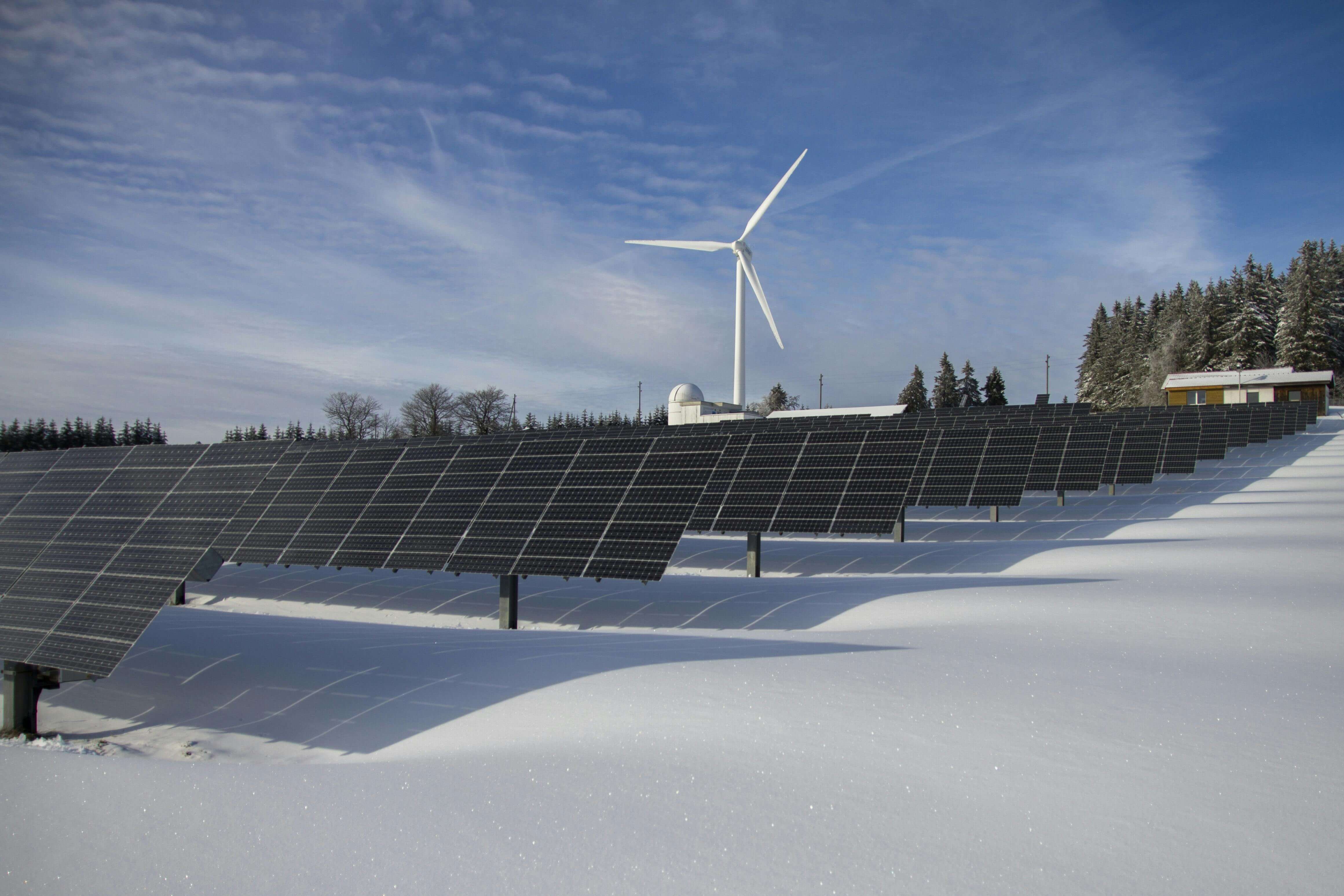
A new report from the (IEA) of the International Energy Agency warns that soaring metal prices may be good for miners, but because batteries, solar panels and wind turbines need to produce large amounts of copper, nickel, cobalt, lithium and other minerals, these are making the transition to clean energy risks.
According to IEA, meeting the targets of the Paris climate agreement will lead to a quadrupling of mineral demand by 2040. However, the IEA says a lack of investment in new mines could significantly increase the cost of clean energy technologies.
"the data show that there is an imminent imbalance between the world's growing climate ambitions and the supply of key minerals, which are critical to achieving these goals," Fatih Birol, director of IEA, said in the report.
"if these potential problems are not addressed in a timely manner, they may make global progress on the future of clean energy slower and more costly, thus hampering the efforts of the international community to deal with climate change," Birol said.
Low-carbon technologies usually require more key minerals than similar products of fossil fuels. According to IEA, for example, the (EV) electric car requires six times as many key minerals as the internal combustion engine (ICE) car.
The prices of many metals associated with emerging green technologies have risen sharply in the past year. China's strong demand is already in short supply. Other metals, such as copper, have seen strong speculation as investors bet on energy transformation by investing in the metals that power them.
Copper traded on the London Metal Exchange (London Metal Exchange) breached $10000 a tonne for the first time since 2011 last week. The price of lithium in China has risen by more than 100% so far this year, according to Benchmark Mineral Intelligence. The IEA says they are likely to continue to climb because demand will increase more than 40-fold if countries want to meet the targets of the Paris agreement. With the government's green stimulus, sales of electric vehicles rose 41 per cent last year to about 3 million worldwide.
IEA said supplies of some key metals were also heavily concentrated in some countries, raising safety concerns. "concerns about price volatility and supply security will not disappear in expensive renewable energy electrification systems." For example, the Democratic Republic of the Congo produces about 70% of the world's cobalt. China, in turn, accounts for 60 per cent of rare earth production.
IEA said processing of key metals would be more concentrated, such as China accounting for more than 80 per cent of rare earth processing, lithium and cobalt processing accounting for about 60 per cent, and copper processing accounting for 40 per cent. As a result, the market needs more supply, but the slow development of new mining projects and investor caution will lead to an imbalance between supply and demand.
IEA concluded that the average time from discovery to production for new mining projects is 16 years, and unless the government shows investors that they are serious about the energy transformation to support the development of new mines, the timetable will be difficult to shorten.
![[SMM Tinjauan Mingguan Pasar Sel Baterai Penyimpanan Energi 9.3] Pasokan foil tembaga yang ketat membatasi jadwal produksi September, harga sel baterai penyimpanan energi tetap stabil](https://imgqn.smm.cn/usercenter/tKgKv20251217171725.png)
![Tinjauan Mingguan Pasar Litium Karbonat: 8.31-9.3 harga spot litium karbonat naik lalu turun, tren keseluruhan menurun [Tinjauan Mingguan SMM]](https://imgqn.smm.cn/usercenter/PPLUj20251217171727.jpg)