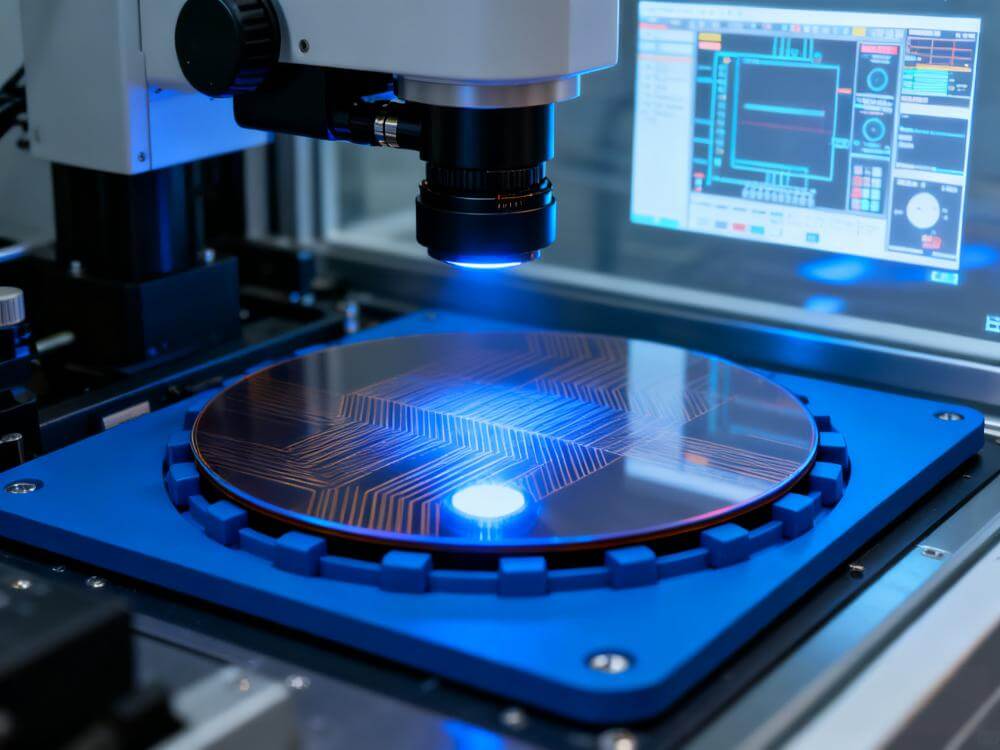
It will take weeks or months for the Texas chip industry to resume production.

Published: Mar 3, 2021 09:01

Water and electricity have been gradually restored in Texas after a rare blizzard hit last month. However, the industry body of manufacturers in Austin, the capital of Texas, said it would take weeks for chipmakers such as Samsung Electronics to resume production in Texas after the blizzard halted production. Downstream customers could face a chain reaction in a few months' time.

It will take several weeks for the Texas chip plant to resume production.

Last month, the worst blizzard in the southwestern United States killed at least 21 people and cut power to millions of Texans, while chipmakers Samsung, NXP Semiconductor and Infineon had to close factories in Texas.

This situation undoubtedly makes the global "lack of core" situation even worse. As the global economy gradually recovers from the impact of the novel coronavirus epidemic, the global demand for semiconductors, especially the demand of the automotive industry, and the demand for notebook computers and other products are also on the rise, and the chip industry has already been in short supply. at this time, the suspension of production at the Texas chip factory undoubtedly further worsened the problem of chip shortage.

Ratson (Edward Latson), chief executive of the Austin Regional Manufacturers Association, said that the electricity, water and natural gas needed for these chip factories to operate had been restored, but they still needed time to restart the equipment and clean up the plant. The process will be very slow and "very expensive".

According to South Korean media reports, the resumption of work at Samsung's Austin chip plant is not optimistic, and it is estimated that it will not be able to operate normally until mid-April at the earliest.

The chain reaction of chip shutdown has been transmitted downstream.

The knock-on impact of the current plant shutdown is expected to spread downstream to carmakers in five months, as it will take about five months to restore normal supply of chips, Mr Ratson said.

Puhakka (Risto Puhakka), president of semiconductor research firm VLSresearch, said the knock-on effect is already there.

"the impact is almost immediate because the inventory of chips is very low and customers need them as soon as possible," he said. What we are facing now is about a month's production loss. "

Elon Musk (Elon Musk), chief executive of Tesla, previously revealed that Tesla's factory in Fremont, Calif., was closed for two days last week, but he did not further explain why.

Samsung, which supplies chips to customers such as Tesla and Intel, opened its chip factory in Austin in 2017 and uses Samsung's 14nm, 28nm and 32nm chip technology to produce chips. The Austin plant is Samsung's largest chip production plant outside South Korea.

NXP and Infineon are also one of the world's largest suppliers of automotive chips. NXP, which has two plants in Austin, said in a statement on Tuesday: "We are working to resume operations as soon as possible through equipment, system and product assessments."

Data Source Statement: Except for publicly available information, all other data are processed by SMM based on publicly available information, market communication, and relying on SMM's internal database model. They are for reference only and do not constitute decision-making recommendations.

For any inquiries or for more information, please contact: lemonzhao@smm.cn
For more information on how to access our research reports, please contact:service.en@smm.cn
Related News
Zimbabwe's Chrome Beneficiation Strategy Remains in Focus
Jul 24, 2026 23:38
Zimbabwe's Chrome Beneficiation Strategy Remains in Focus
Read More
Zimbabwe's Chrome Beneficiation Strategy Remains in Focus
[SMM Express] Zimbabwe's long-standing strategy to expand domestic chrome beneficiation continues to attract industry attention as the country seeks to increase local ferrochrome production and capture more value from its abundant chromite resources. The policy direction remains centered on encouraging in-country processing while gradually reducing reliance on exports of unprocessed chrome ore. Market participants continue to monitor investment in new smelting capacity and the implementation of beneficiation measures, as these developments could progressively reshape regional chrome ore trade flows. If Zimbabwe succeeds in increasing ferrochrome production, a larger share of domestically mined chrome ore would be consumed locally, potentially reducing ore availability for export while increasing the country's presence in the global ferrochrome market.
Jul 24, 2026 23:38
South Africa's Ferrochrome Recovery Remains Under Market Watch
Jul 24, 2026 23:28
South Africa's Ferrochrome Recovery Remains Under Market Watch
Read More
South Africa's Ferrochrome Recovery Remains Under Market Watch
[SMM Express] South Africa's ferrochrome industry remains under close market watch as producers gradually advance production recovery following the implementation of preferential electricity tariffs for major smelters. The lower power tariff has improved the operating environment, supported the restart of some idle furnace capacity and eased immediate pressure on the sector after a prolonged period of production cuts driven by high electricity costs. Market participants, however, remain cautious over the pace of recovery. Although the tariff relief is expected to support higher ferrochrome output in the short term, producers continue to face challenges from global price competition and operating costs. The speed at which additional smelting capacity returns to operation will be closely monitored, as stronger ferrochrome production could gradually increase domestic chrome ore consumption and influence South Africa's export mix.
Jul 24, 2026 23:28
Chinese Titanium Suppliers Eye Global Aerospace Markets
Jul 24, 2026 19:28
Chinese Titanium Suppliers Eye Global Aerospace Markets
Read More
Chinese Titanium Suppliers Eye Global Aerospace Markets
[SMM Express] Chinese titanium suppliers are expanding their focus towards international aerospace markets as global demand for the critical metal remains supported by aircraft manufacturing growth and supply chain constraints. Several Chinese companies showcased titanium sponge, ingots and other advanced materials at the Farnborough International Airshow in July 2026, seeking to strengthen relationships with overseas aerospace customers. Titanium is widely used in aerospace applications due to its high strength-to-weight ratio, corrosion resistance and ability to withstand extreme conditions. The metal is essential for aircraft components including airframes, landing gear and jet engine parts. The global titanium supply chain has faced disruptions in recent years, including the impact of the COVID-19 pandemic, sanctions affecting Russian supply and trade restrictions on Chinese materials. These factors have increased interest in alternative suppliers as aerospace manufacturers seek greater supply chain resilience. China remains one of the world’s leading titanium producers, with a growing domestic aerospace sector supported by companies such as COMAC. However, intense competition within the domestic market is encouraging Chinese suppliers to pursue export opportunities, particularly in Europe and other regions where aerospace-grade titanium supply remains constrained.
Jul 24, 2026 19:28
It will take weeks or months for the Texas chip industry to resume production. - Shanghai Metals Market (SMM)